Coffee beans ranking: the 5 best Bro Coffee Roastery coffees
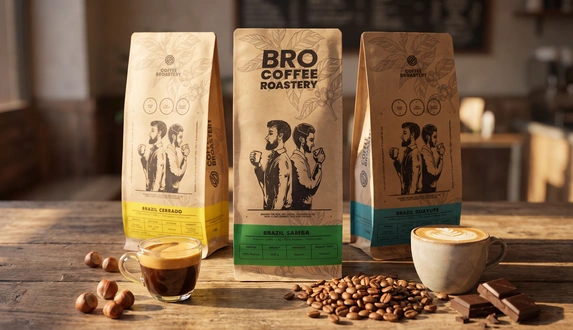
Which coffee beans most often end up in our customers' baskets? We decided to find out and put together the Bro Coffee Roastery coffee beans ranking, based on sales results from the third quarter of 2026. It features the five coffees people reached for most often over that time – from a classic everyday Brazilian arabica to a fruity coffee from Costa Rica. It is a good starting point if you are still looking for your coffee or want to see what other coffee lovers are choosing.
Our coffee ranking is not a laboratory test or a verdict from a panel of judges. It is a popularity list – the order of the coffees reflects how many packs of each one our customers chose. All the entries come from our range, and you will find them in the coffee beans category, together with the other coffees roasted in our roastery.
In this article, we explain how the ranking was put together and introduce each of the five coffees: its flavour profile, roast level, intended use and recommended brewing methods. We also tell you what the Bro Coffee Roastery coffees have in common, show you three new arrivals that joined our range after the ranking closed, and suggest how to choose the best coffee beans for your own machine and your own taste.
Table of contents:
- How was the Bro Coffee Roastery coffee beans ranking put together?
- The Bro Coffee Roastery coffee beans ranking – top 5
- What sets Bro Coffee Roastery coffee beans apart?
- New arrivals in the Bro Coffee Roastery coffee range
- How do you choose the best coffee beans?
How was the Bro Coffee Roastery coffee beans ranking put together?
Our coffee beans ranking is built on one simple criterion: the number of packs sold. We took into account only Bro Coffee Roastery coffee beans and arranged them from the one our customers chose most often to the one in fifth place. The ranking is based on sales in the third quarter of 2026, that is, from July to September.
Why sales? Because it is the most honest way to show which coffees have genuinely found a place in our customers' homes. A description on a website can encourage a first purchase, but you only reach for another pack when the coffee tastes good in the cup – in the morning as an espresso, during the day as a pour-over or in a cappuccino. A high place in the ranking therefore means that the coffee works well for many people.
🔍 Worth knowing: This is a popularity ranking, not an independent quality test or a sensory evaluation. The coffee in fifth place is not "worse" than the leader – it was simply chosen by fewer people. The SCA score, which we give for every coffee, says more about the quality of the beans themselves.
Coffee rankings like this are best treated as a hint, not a verdict. If you are looking for a tried-and-tested everyday coffee, the top places are a safe choice. If you like discovering new flavours, look further down the list too – and at the new arrivals described later in this article, which the ranking does not yet cover.
The Bro Coffee Roastery coffee beans ranking – top 5
The Bro Coffee Roastery coffee beans ranking covers the five coffees that sold best with us during the period in question. Four of them come from Brazil and the fifth from Costa Rica. Before we go into the details, here is the whole coffee beans ranking in one place. The table sets out the main flavour notes, the roast level and a hint about who each coffee is best suited to.
| Place | Coffee | Flavour notes | Roast | Best for |
|---|---|---|---|---|
| 1. | Brazil Samba Premium | chocolate, nuts | medium / omniroast | those looking for a versatile everyday coffee |
| 2. | Brazil Cerrado Premium | lemon, roasted almonds, chocolate | medium light | lovers of full-bodied espresso and milk-based coffees |
| 3. | Brazil Guaxupe Premium | orange, hazelnuts, milk chocolate | medium light | those starting out with speciality coffee |
| 4. | Amico dall'Italia Espresso Roast | orange, hazelnuts, milk chocolate | medium | fans of classic Italian-style espresso |
| 5. | Costa Rica San Rafael Speciality | cherry, plum, almonds, chocolate | medium light | those who enjoy fruity sweetness without pronounced acidity |
All the coffees in the ranking are 100% arabica, with quality confirmed by an SCA score, and you can brew each of them in an espresso machine as well as with alternative methods. They differ mainly in roast level, acidity and body – that is, how "thick" and full the coffee feels in the mouth. Below, we describe them one by one, from the leader of the ranking to the fifth place.
1. Brazil Samba Premium coffee
First place went to the coffee that best captures what many people love about Brazilian arabica: calm, harmony and balance. Brazil Samba is a dependable everyday option if you want good coffee beans – no extremes, just classic notes of chocolate and nuts, a clean finish and medium acidity. The medium body gives the brew a pleasant, full structure without making it heavy.
We roast these naturally processed beans to medium / omniroast, a versatile profile that lets you make a tasty cup whatever equipment you have. Samba tastes good on its own and is also a solid base for a cappuccino or latte. No wonder it was chosen most often – it is a coffee you can drink every day and never tire of.
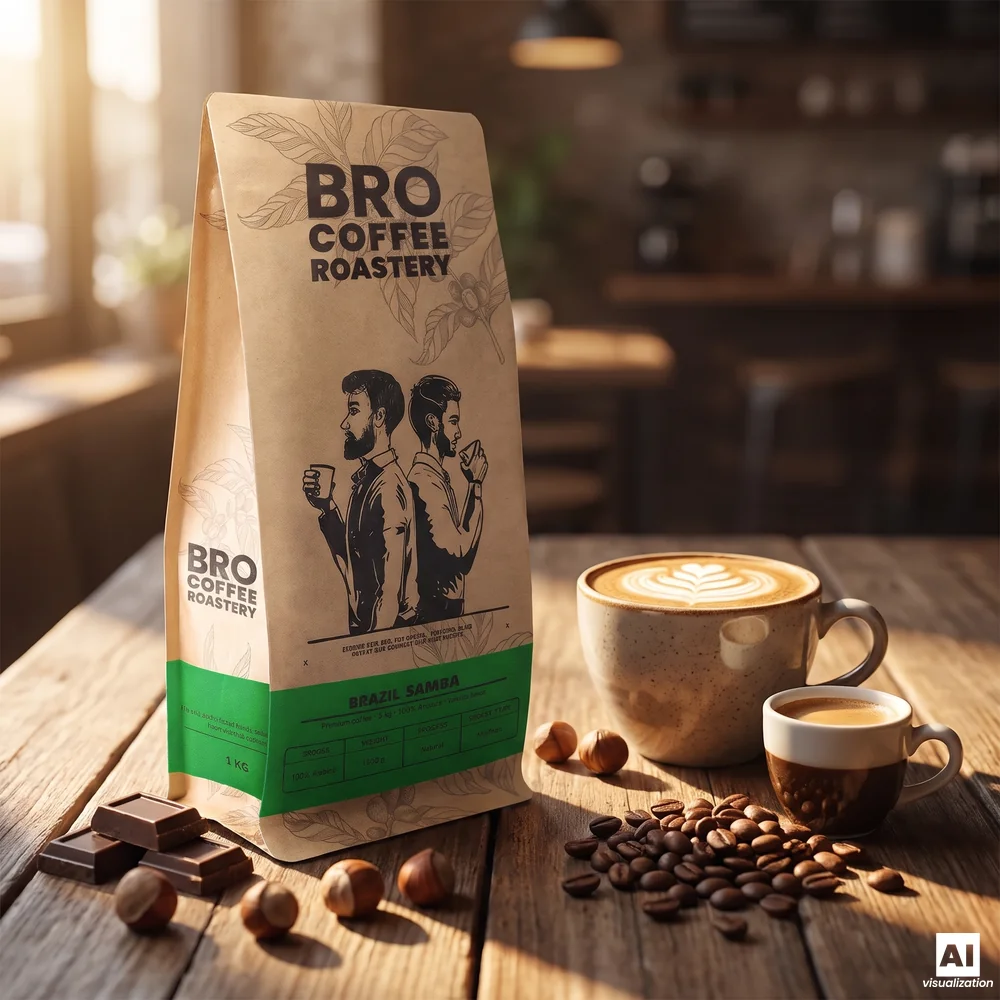
☕ Bro Coffee Roastery Brazil Samba Premium – at a glance
Brazil Samba Premium is a classic, balanced arabica from Brazil, with quality confirmed by a score of 84 points on the SCA scale.
- ✔️ Profile: chocolate and nuts, clean finish.
- ✔️ Roast and acidity: medium / omniroast, natural process; medium acidity and body.
- ✔️ Brewing: versatile – espresso machine, moka pot, French Press, pour-over, Chemex and AeroPress.
Not sure which coffee to start with? The leader of our ranking is an arabica with notes of chocolate and nuts that you can brew in an espresso machine as well as in a French Press or a dripper.
Choose Samba2. Brazil Cerrado Premium coffee
In second place came Brazil Cerrado – a coffee from the Cerrado plateau in the state of Minas Gerais, grown at an altitude of 900-1250 m above sea level. The Bourbon, Catuai and Mundo Novo beans are naturally processed, which highlights their sweetness and texture. In the cup you will find a sweet aftertaste, notes of roasted almonds and chocolate, and a delicate, lemony freshness. The acidity is medium and the body heavy, which makes the coffee feel exceptionally full.
Cerrado is a good choice if you drink mainly espresso or milk-based coffees and need beans that will not get lost in the milk. Despite the lighter roast (medium light, 3/5), it keeps a full body and a smooth character, and the citrus accent stops it from tasting flat. A score of 82 points on the SCA scale confirms its speciality quality – it is an everyday coffee, but not an ordinary one.
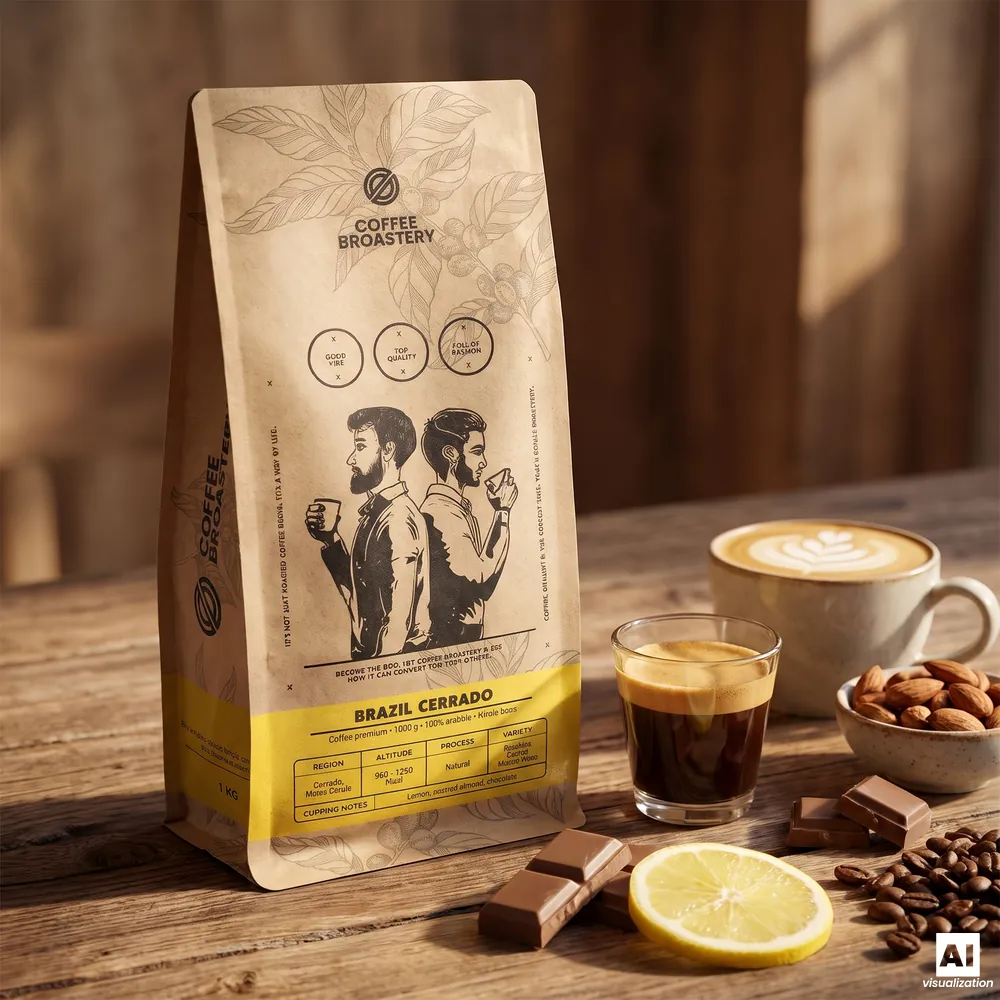
☕ Bro Coffee Roastery Brazil Cerrado Premium – at a glance
Brazil Cerrado Premium is a naturally processed arabica from a Brazilian plateau, gentle and full, with a score of 82 points on the SCA scale.
- ✔️ Profile: sweet aftertaste, lemon, roasted almonds, chocolate.
- ✔️ Roast and acidity: medium light (3/5); medium acidity, heavy body.
- ✔️ Brewing: above all espresso and milk-based coffees; also moka pot, French Press, pour-over, Chemex, AeroPress.
3. Brazil Guaxupe Premium coffee
Third place went to Brazil Guaxupe from the Guaxupé region of Minas Gerais, grown at an altitude of 800-1000 m above sea level. These are Yellow Bourbon, Mundo Novo and Obatã beans, naturally processed and rated at 82 points on the SCA scale. The coffee has a sweet aftertaste, notes of orange, hazelnuts and milk chocolate, medium-high acidity and medium body.
Compared with the other Brazilian coffees in the ranking, Guaxupe stands out for its freshness. Samba focuses on a calm duo of chocolate and nuts, Cerrado on heavy body and fullness, while Guaxupe adds a touch of citrus energy to the Brazilian classic. That makes it work equally well in espresso, in a dripper or in a Chemex, and in a cappuccino or flat white its hazelnuts come through clearly. If you are only just getting to know speciality coffee, Guaxupe will be a good beginning: its profile is approachable, but far from boring.
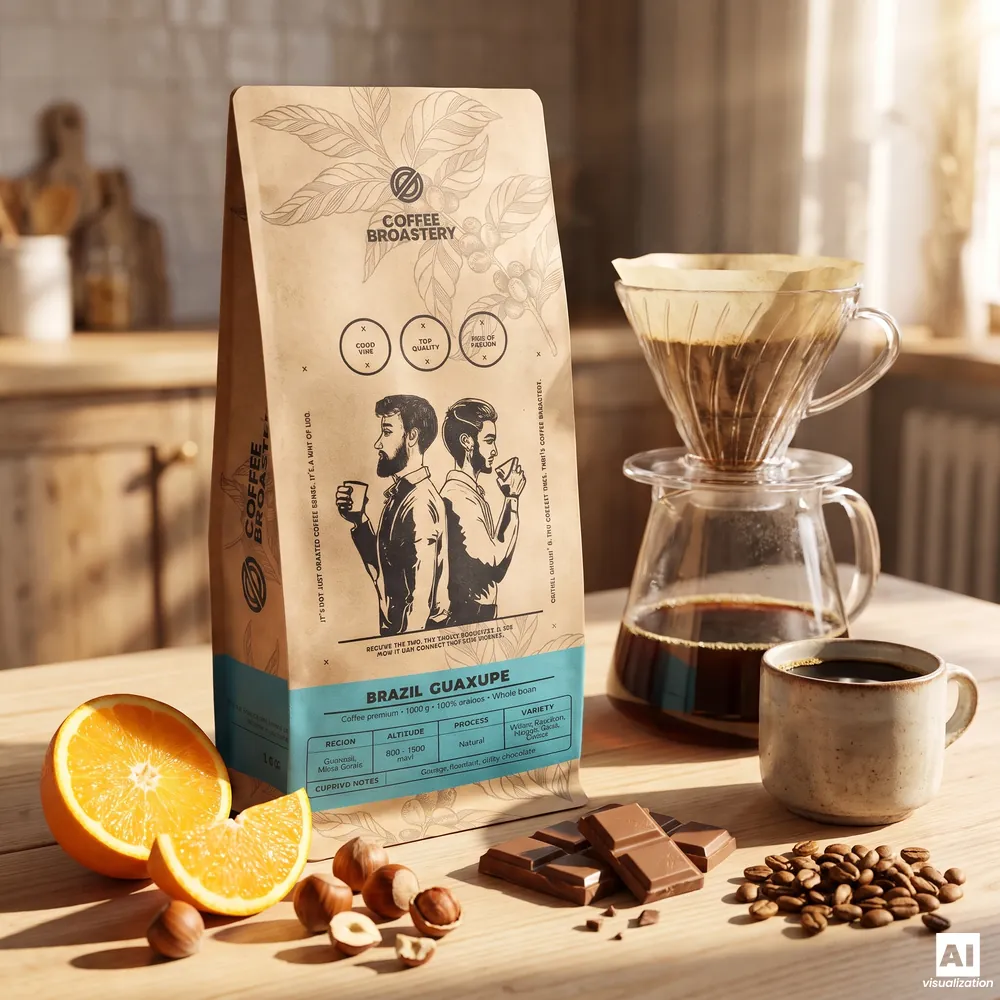
☕ Bro Coffee Roastery Brazil Guaxupe Premium – at a glance
Brazil Guaxupe Premium is a Brazilian classic with a citrus accent, versatile in an espresso machine and in pour-over methods, with a score of 82 points on the SCA scale.
- ✔️ Profile: sweet aftertaste, orange, hazelnuts, milk chocolate.
- ✔️ Roast and acidity: medium light (3/5); medium-high acidity, medium body.
- ✔️ Brewing: espresso machine and pour-over methods (pour-over, Chemex), as well as French Press, moka pot and AeroPress.
4. Amico dall'Italia Espresso Roast coffee
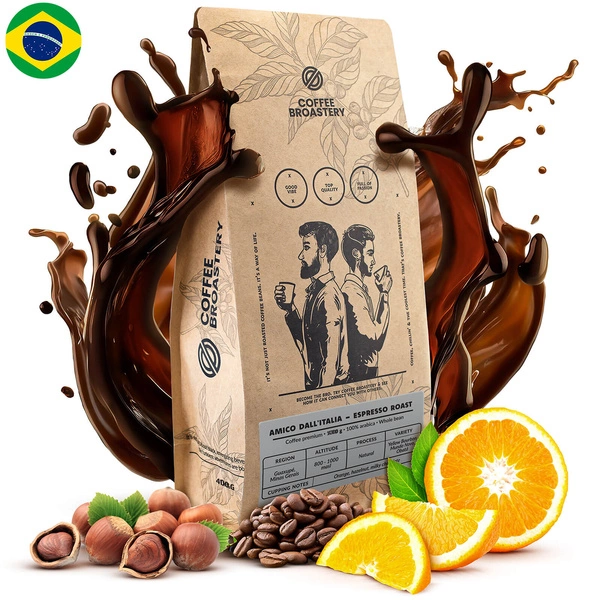
Fourth place went to a coffee that has a lot in common with Guaxupe – quite literally. Amico dall'Italia Espresso Roast is made from the very same beans: from the Guaxupé region, from the Yellow Bourbon, Mundo Novo and Obatã varieties, rated at 82 points on the SCA scale. The difference lies in the roast. We roast these beans darker, to medium (4/5), with classic Italian-style espresso in mind. As a result, the body becomes heavy and full, and a more pronounced, yet refined bitterness appears in the chocolate-and-nut profile.
If you drink mainly espresso, like a thick crema or make cappuccino, latte or flat white and want the coffee to come through clearly in the milk, Amico will be a fitting choice. It is the coffee in our ranking for people who are after intensity but do not want to give up 100% arabica.
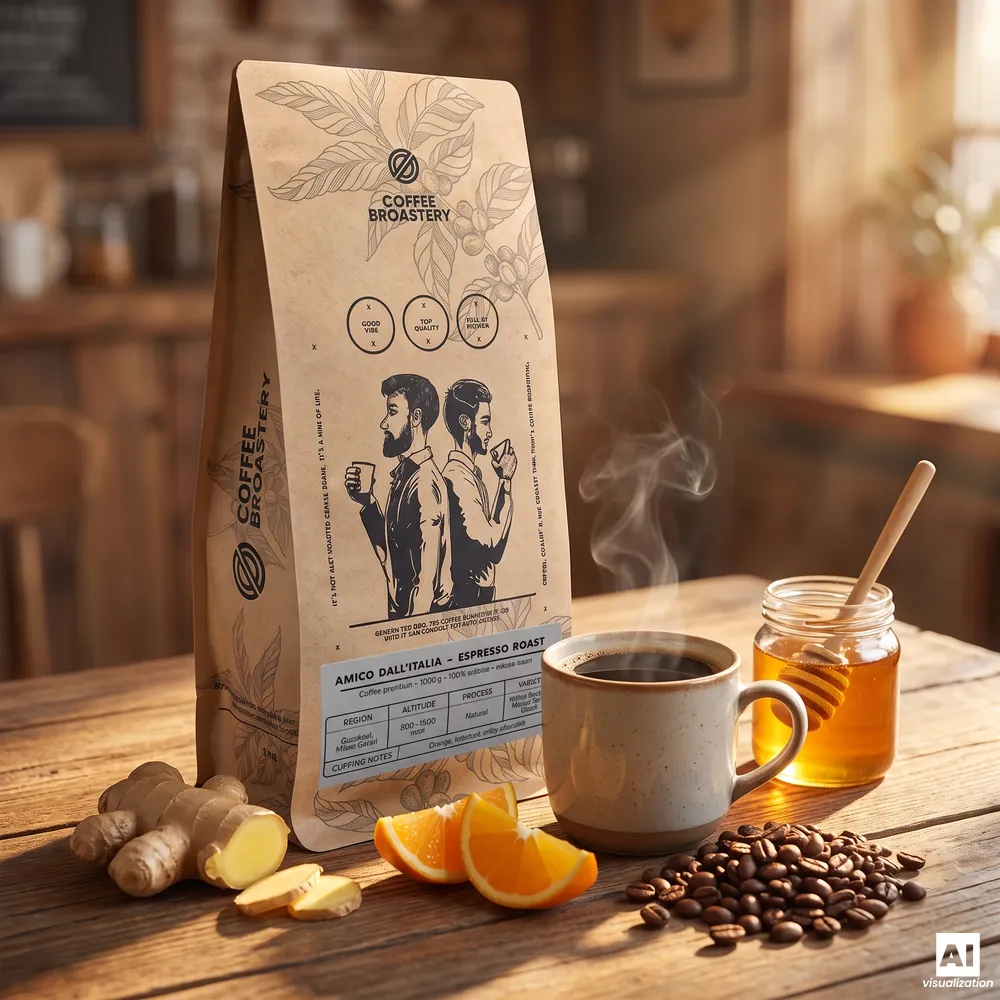
☕ Bro Coffee Roastery Amico dall'Italia Espresso Roast – at a glance
Amico dall'Italia Espresso Roast is our nod to Italian espresso: a Brazilian arabica roasted darker, with a thick crema and full body.
- ✔️ Profile: the same notes as in Guaxupe – orange, hazelnuts, milk chocolate – with a more pronounced, refined bitterness.
- ✔️ Roast and acidity: medium (4/5); medium-high acidity, heavy (full) body.
- ✔️ Brewing: above all an espresso machine; also moka pot, French Press, pour-over, AeroPress.
5. Costa Rica San Rafael Speciality coffee
Fifth place, and the only coffee from outside Brazil in the ranking, is Costa Rica San Rafael. It comes from the area around San Marcos and San Pablo in Tarrazú, a region regarded as one of the best in Costa Rica, where coffee trees grow at an altitude of 1200-2000 m above sea level. The Catuai and Caturra beans are washed-process and score 84 points on the SCA scale – together with the leader of the ranking, the highest in the ranking.
What sets San Rafael apart is the combination of fruity sweetness with low, delicate acidity. In the cup you will taste cherry, plum, almonds and chocolate, while the creamy, heavy body gives the coffee a dessert-like character. It is a good pick for people who like fruity flavours but are not keen on the tartness often associated with light-roasted speciality coffees. It tastes good on its own and with milk, goes well with cake and can even stand in for dessert.
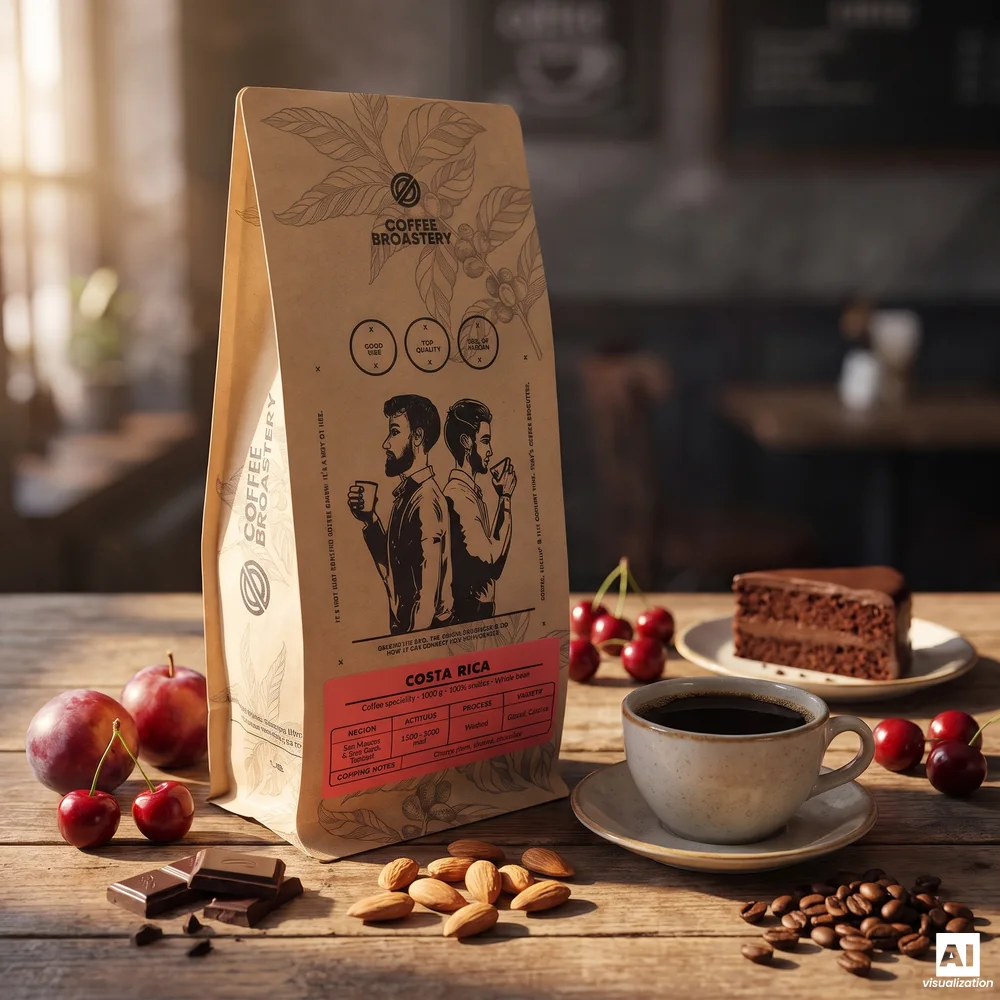
☕ Bro Coffee Roastery Costa Rica San Rafael Speciality – at a glance
Costa Rica San Rafael Speciality is a fruity dessert from Tarrazú – a sweet, creamy speciality coffee with a score of 84 points on the SCA scale.
- ✔️ Profile: cherry, plum, almonds, chocolate.
- ✔️ Roast and acidity: medium light (3/5), washed process; low, delicate acidity, creamy (heavy) body.
- ✔️ Brewing: any method – from an espresso machine and moka pot to Chemex, pour-over, French Press and AeroPress.
As you can see, this list does not point to a single coffee that is ideal for everyone. The first three places are versatile Brazilian arabicas, the fourth is a coffee made with espresso in mind, and the fifth is a fruity speciality coffee from Costa Rica. If you would like to understand better where the differences in taste between them come from, take a look at our guide to flavour notes and sensory profiles. And in the next part, we will tell you what all Bro Coffee Roastery coffees have in common.
What sets Bro Coffee Roastery coffee beans apart?
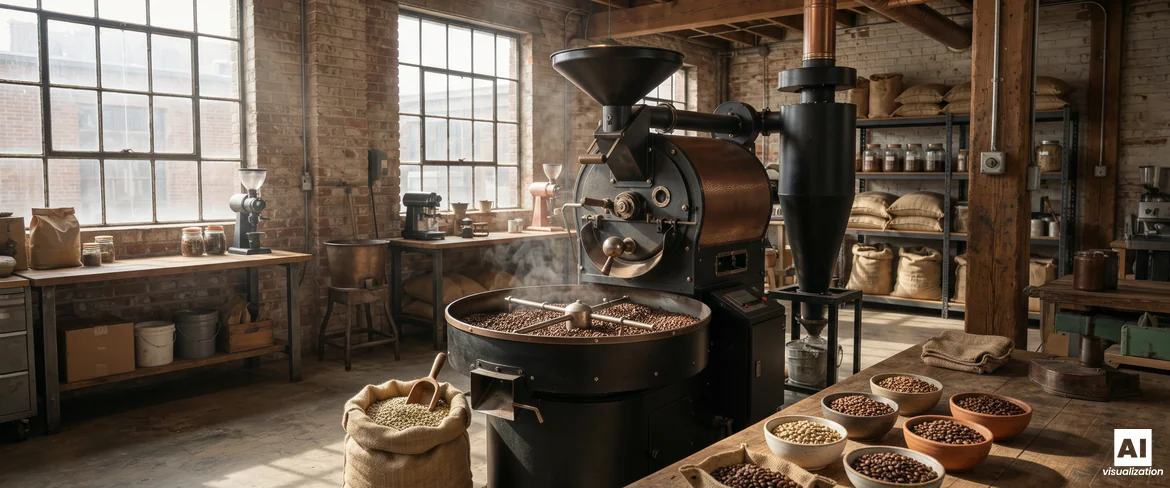
The five coffees in the ranking differ in taste, roast and character, but they share the same approach to quality. All our Bro Coffee Roastery coffee beans are freshly roasted, and we describe their origin and roast on each product page. Our range includes coffees from, among others, Brazil, Costa Rica, Colombia, Guatemala, Nicaragua, India and Vietnam – from versatile everyday arabicas to bold coffees for espresso. Below, we explain what we look at before the beans reach your cup.
Selecting the coffee beans
Every bean that goes into our roaster is selected first. For arabica coffees, an important point of reference for us is the score on the SCA scale (Specialty Coffee Association). It is a 100-point scale on which qualified tasters assess, among other things, the aroma, acidity, sweetness and balance of the brew. A score of 80 points or more means a coffee classed as speciality quality, without significant defects. All the coffees in our ranking fall within the 82-84 point range.
The second important thing is origin. In the descriptions of our single origin coffees, we give the country and region, the growing altitude, the botanical varieties and the type of processing – natural or washed. That way you know what to expect: Brazilian naturally processed coffees are usually sweet, with chocolate and nut notes, while washed coffees, such as Costa Rica San Rafael, have a cleaner, more clearly defined profile. If you are wondering whether to choose a coffee from a single region or a blend, take a look at our article Single origin or blend coffee?.
We recommend

A light speciality coffee from Jinotega (84 SCA points) with notes of hazelnuts, grapefruit and black tea.
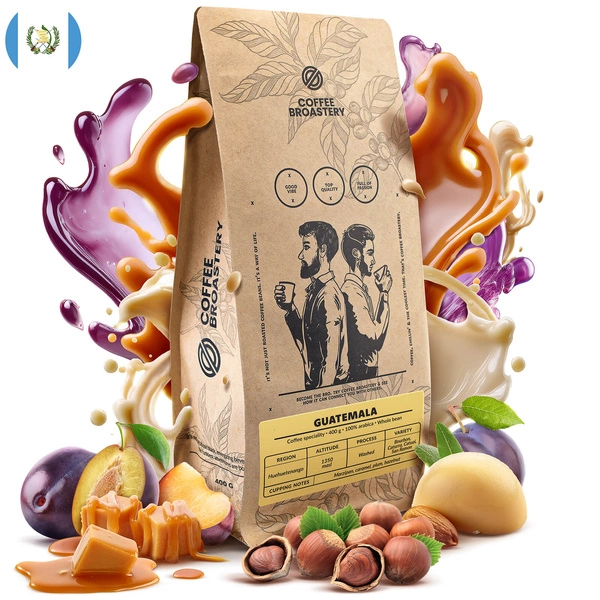
A balanced coffee from Huehuetenango with confectionery notes of marzipan, caramel and nuts.
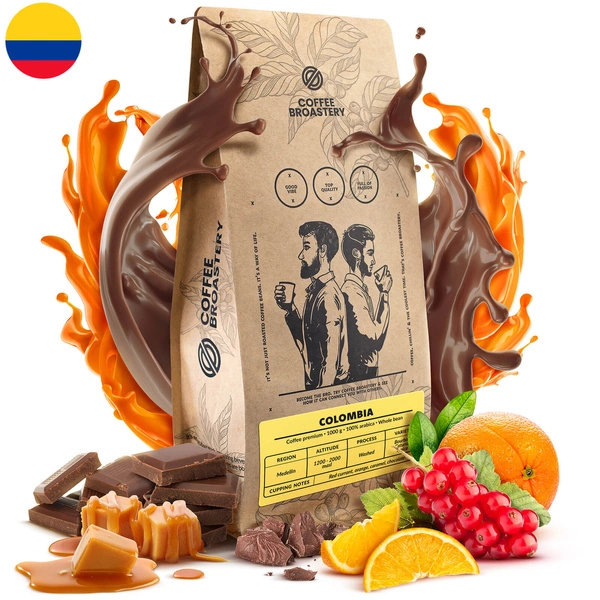
A clean, washed coffee with notes of redcurrant, orange, caramel and chocolate.
Different roasting styles
Roasting is the process that turns a green bean into coffee with a specific taste and aroma. The roast level determines, among other things, the intensity, acidity, bitterness and body of the brew. A lighter-roasted coffee usually keeps more fruity notes and freshness, while a darker-roasted one becomes fuller, more chocolatey and distinctly more bitter. You can read more about this in the article Light, medium or dark? How your coffee roast profile affects the flavour and aroma of speciality coffee
Our range includes several roasting styles. Most of our single origin coffees, including Brazil Cerrado, Brazil Guaxupe and Costa Rica San Rafael, are roasted to medium light (3/5), which highlights their natural sweetness and fruity notes. Brazil Samba and our new robusta coffees, which we write about in the next part, have a medium / omniroast roast, which is versatile – they work equally well in an espresso machine and in pour-over methods. We roast Amico dall'Italia Espresso Roast darker, to medium (4/5), with classic espresso in mind.
💡 Fun fact: Brazil Guaxupe and Amico dall'Italia are the same beans from the Guaxupé region, roasted in two different ways. If you want to find out for yourself how the roast changes a coffee, this is the best pair to compare.
Roasting is also linked to acidity, which for many people decides whether they like a coffee. If you prefer gentle coffees, look for the words "low acidity" or "medium acidity" in the descriptions. If you like freshness and a fruity character, go for coffees with medium-high acidity.
A range for beginners and experienced coffee lovers
Our range is designed so that everyone can find something for themselves. If you are only just starting your journey with coffee beans, versatile coffees work best: balanced, with classic notes of chocolate and nuts. That is what Brazil Samba, Brazil Cerrado and Brazil Guaxupe (the last with a touch of citrus freshness) offer – the top three places in the ranking. They taste good both black and with milk, and you can brew them in almost any equipment.
Experienced coffee lovers who are after more complex profiles will find speciality coffees with a more distinctive character in our range – fruity, confectionery-like or tea-like. Whatever your experience, it is worth matching the coffee to the equipment you brew it with. Freshness matters too: coffee ground just before brewing keeps more of its aroma, so a good grinder comes in handy when you buy coffee beans.
We recommend
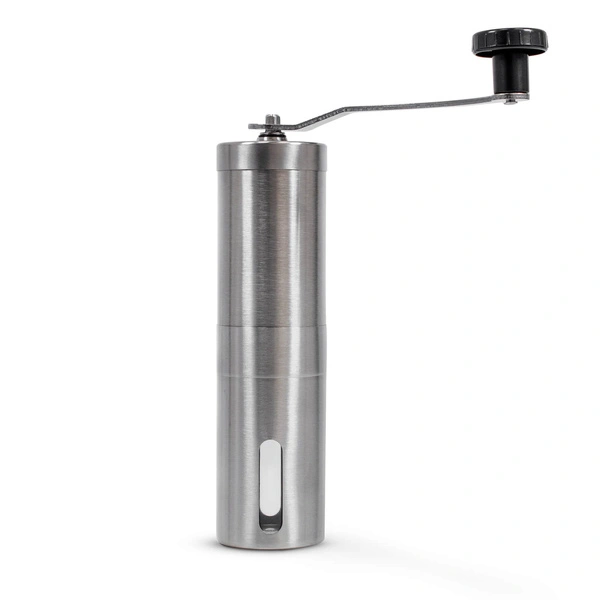
Ceramic burrs grind evenly, and the capacity of about 30 g is enough for coffee for one or two people.
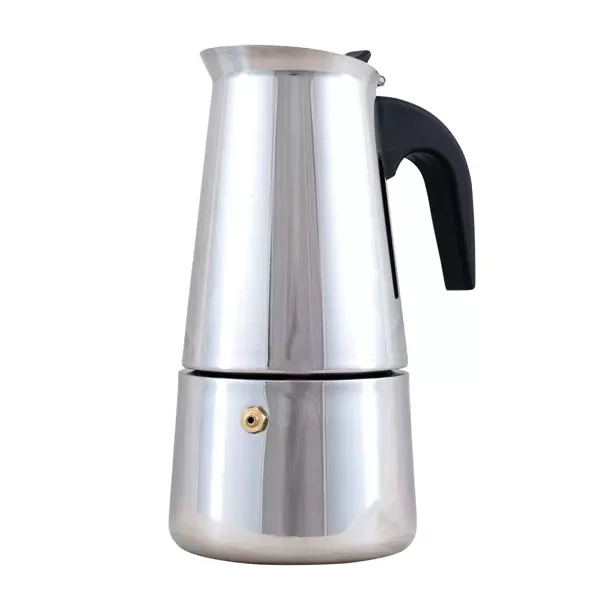
A classic stainless steel moka pot for intense, aromatic coffee brewed under pressure.
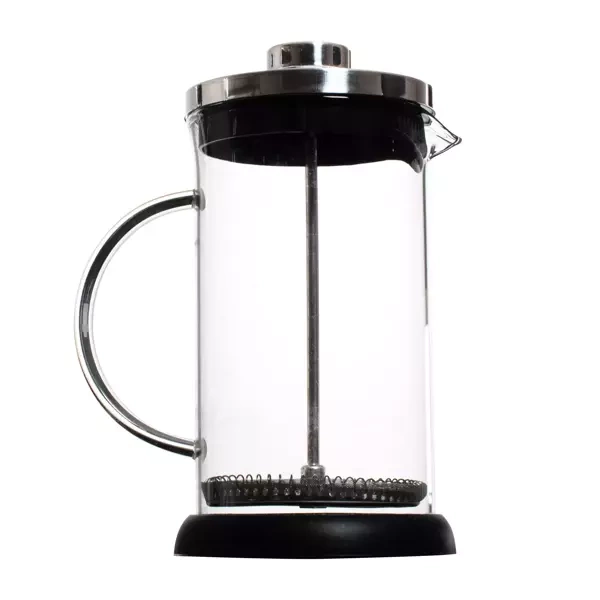
A simple way to a coffee with a rich taste – just pour water over the coffee, wait a few minutes and press the plunger down.
New arrivals in the Bro Coffee Roastery coffee range
Besides the coffees in the ranking, our range also includes three new arrivals. They are Bro Coffee Roastery coffees with robusta: two blends of arabica and robusta, and a coffee made from 100% robusta. They are not in the ranking because they joined our range after the period it covered. That is why we present them separately – as a supplement to the range, not as further places in the ranking. Each of these new coffee beans was created with espresso with a thick crema and milk-based coffees in mind.
Crema Rumba and Crema Tango combine Brazilian arabica (83-84 SCA points) with Vietnamese robusta of the Fine Robusta Grade 1 class, while Pure Crema is pure robusta of that grade. We roast all three to medium / omniroast. The more robusta, the more intense the coffee, with a fuller body and a more abundant crema. We describe them in detail in the article Arabica and robusta in three versions – meet the new coffees from Bro Coffee Roastery, and below you will find the most important information at a glance.
Bro Coffee Roastery – Whole Bean Coffee Crema Rumba
Crema Rumba is the mildest of the new arrivals: 80% arabica from Brazil and 20% robusta from Vietnam. The arabica gives the blend sweetness and a nutty aroma, while the small share of robusta adds a thicker crema and a creamier body. In the cup you will taste hazelnut, milk chocolate and cocoa, with low acidity and no intense bitterness. It is a coffee for everyday espresso from a bean-to-cup or portafilter machine, and also for latte, flat white and cappuccino.
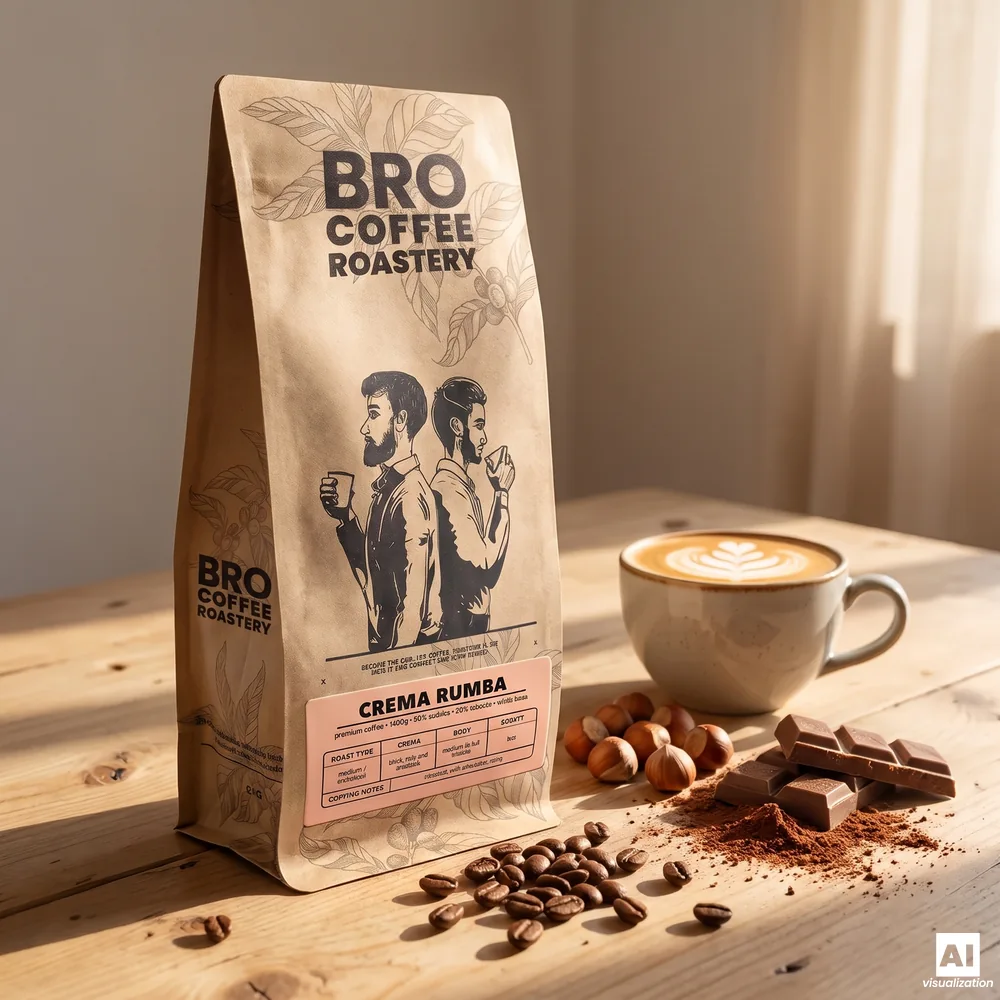
☕ Bro Coffee Roastery Crema Rumba – at a glance
Crema Rumba is a mild everyday blend of arabica and robusta – sweet, dessert-like, with a thick crema.
- ✔️ Composition: 80% arabica from Brazil (83-84 SCA points), 20% robusta from Vietnam (Fine Robusta Grade 1).
- ✔️ Profile: hazelnut, milk chocolate, cocoa; medium / omniroast, low acidity, medium to full body.
- ✔️ Brewing: bean-to-cup and portafilter machines, moka pot; also French Press, AeroPress, pour-over.
Bro Coffee Roastery – Whole Bean Coffee Crema Tango
Crema Tango is a step towards intensity: 70% arabica from Brazil and 30% robusta from Vietnam. The share of robusta here is high enough to give the coffee substance and strength, while the arabica makes sure the whole thing stays round and sweet. Cocoa, dark chocolate and roasted nuts dominate, the acidity is low and the crema thick and abundant. Crema Tango works well in espresso, in a moka pot when you want a really full-bodied coffee, and in a cappuccino, where it will not get lost in the milk.
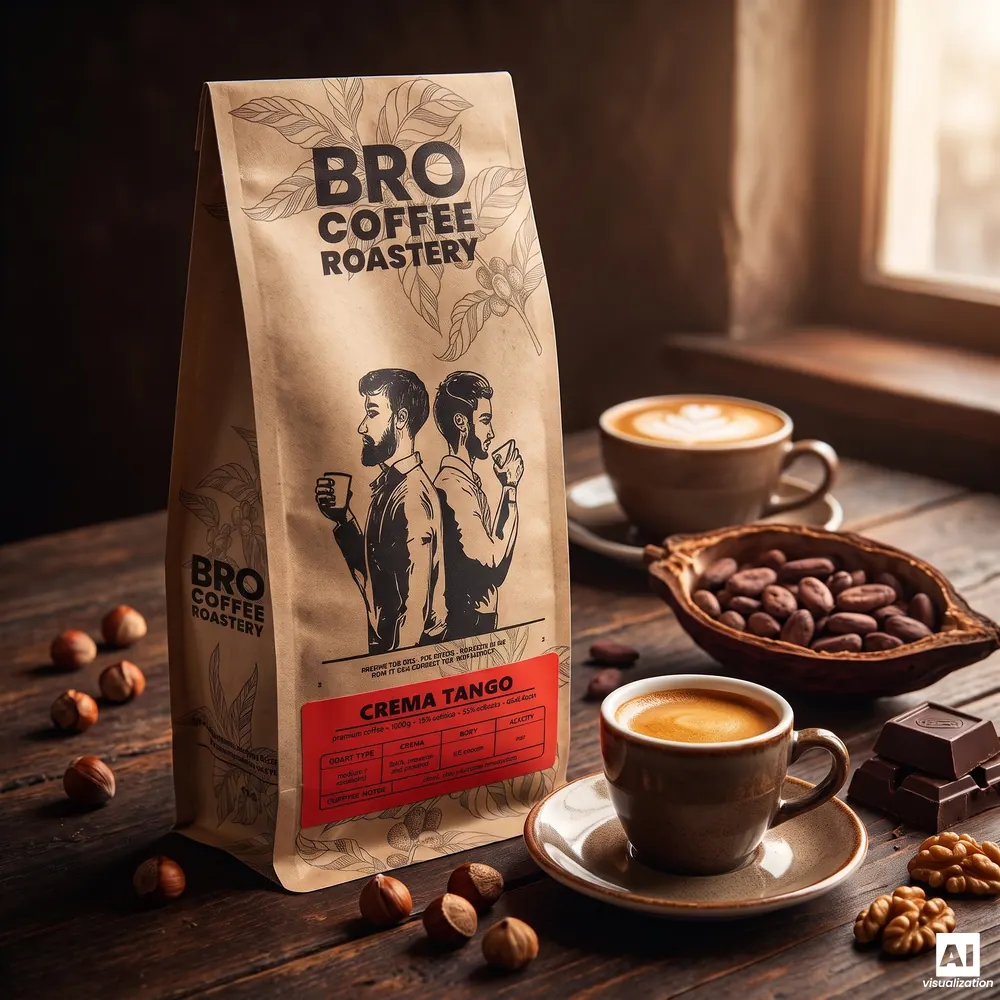
☕ Bro Coffee Roastery Crema Tango – at a glance
Crema Tango is a bold espresso blend with an abundant, lasting crema and full body.
- ✔️ Composition: 70% arabica from Brazil (83-84 SCA points), 30% robusta from Vietnam (Fine Robusta Grade 1).
- ✔️ Profile: cocoa, dark chocolate, roasted nuts; medium / omniroast, low acidity, full and creamy body.
- ✔️ Brewing: espresso from a machine and full-bodied moka pot coffee; also French Press, AeroPress, pour-over.
Bro Coffee Roastery – Whole Bean Coffee Pure Crema
Pure Crema is our answer to the question of how a carefully selected robusta tastes on its own, without the support of arabica. For this coffee, we chose only Vietnamese beans of the Fine Robusta Grade 1 class. In the cup, dark chocolate, cocoa, roasted nuts and molasses dominate, and the body is heavy and creamy. It is the strongest of the new arrivals – for people who drink mainly espresso and value a thick, lasting crema and an intense flavour. Robusta usually contains noticeably more caffeine than arabica, so it is best enjoyed in moderation.
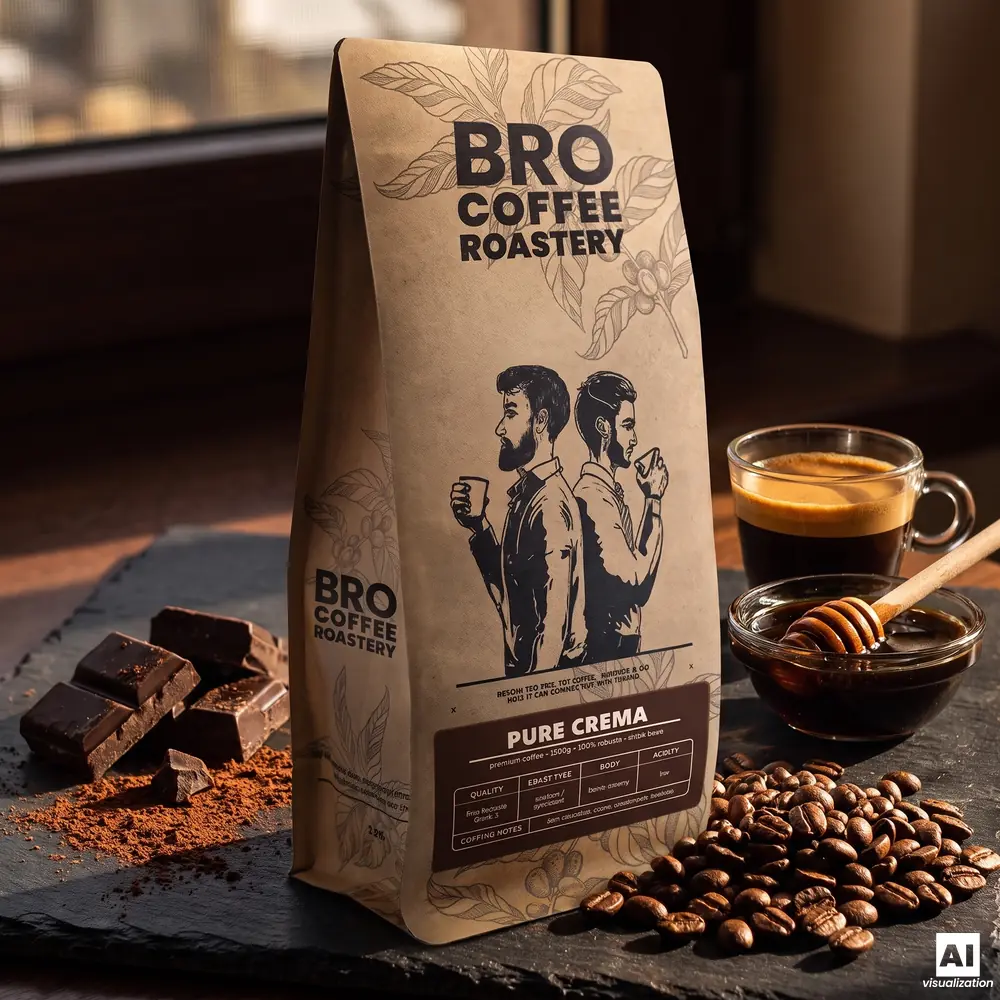
☕ Bro Coffee Roastery Pure Crema – at a glance
Pure Crema is 100% robusta from Vietnam with a chocolatey character, a thick crema and an intense flavour.
- ✔️ Composition: 100% robusta from Vietnam (Fine Robusta Grade 1).
- ✔️ Profile: dark chocolate, cocoa, roasted nuts, molasses; medium / omniroast, low acidity, heavy and creamy body.
- ✔️ Brewing: espresso machine (bean-to-cup too) and moka pot; it also works well in a French Press, AeroPress and pour-over.
If your favourite drink is espresso or cappuccino and the coffees in the ranking seem too mild to you, the new arrivals are worth trying. It is safest to start with Crema Rumba and reach for Crema Tango or Pure Crema when you want more intensity. And if you would rather stay with 100% arabica, below you will find a few more coffees from outside the ranking that are worth getting to know.
We recommend
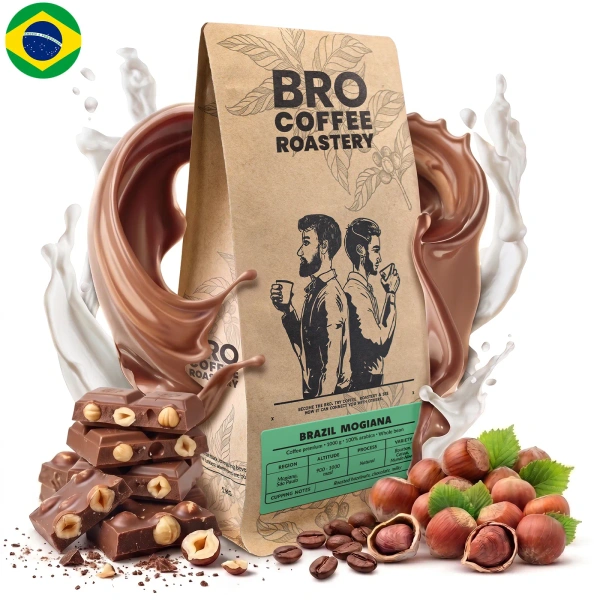
A Brazilian arabica from São Paulo (82 SCA points) with a sweet aftertaste and notes of roasted hazelnuts and chocolate.
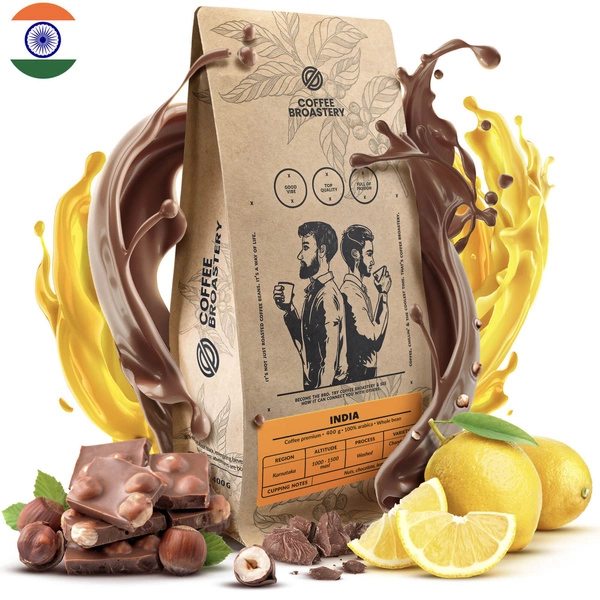
A thick, creamy brew with notes of chocolate and nuts, offset by lemony acidity.
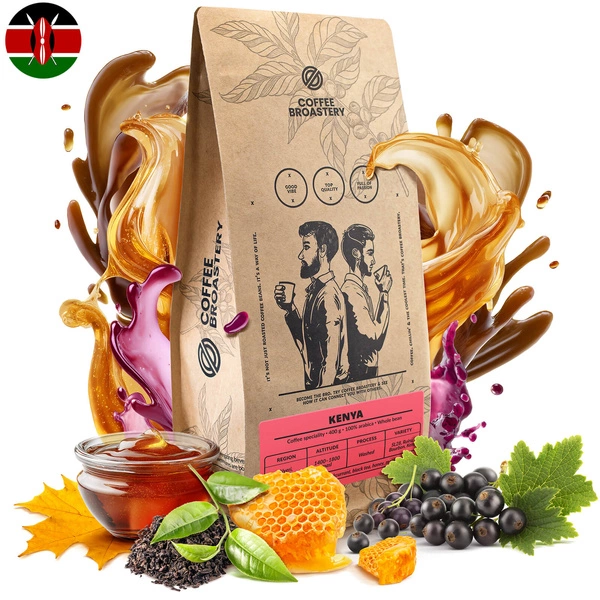
A speciality coffee from the foot of Mount Kenya (85 SCA points) with notes of blackcurrant, black tea and honey.
How do you choose the best coffee beans?
The ranking shows which coffees the most people reach for, but the best coffee beans are the ones that taste best to you. That is why, instead of looking for an answer to the question "which coffee beans are the best?", it is worth answering three other questions: what flavour you like, what you brew your coffee with and whether you drink it black or with milk. Below, we have gathered the main criteria to help you choose. If you would like to explore the subject in more depth, take a look at our guide How to choose coffee beans?
- ✔️ Roast level – a lighter roast (medium light) keeps more fruity notes and freshness, while a darker one (medium) gives a fuller body, a chocolatey character and a more distinct bitterness.
- ✔️ Intensity – if you like a strong, full-bodied coffee, look for heavy or full body in the description; if you prefer lighter brews, choose coffees with medium or light body.
- ✔️ Origin of the beans – coffees from Brazil are usually sweet, with chocolate and nut notes, while coffees from Central America or Africa more often have fruity or tea-like notes.
- ✔️ Roast date – coffee beans taste best at least 7 days after roasting, once they have degassed, so check the roast date and store the beans in an airtight container.
- ✔️ Pack size – if you are only just getting to know a coffee, choose a smaller pack (400 g, or 200 g for some coffees); it is more convenient to buy your everyday favourite in a 1 kg pack.
- ✔️ Intended use – different features matter in espresso, in pour-over and in coffee with milk.
The last criterion, the brewing method, is particularly important. For portafilter and bean-to-cup machines and for the moka pot, coffees with a full body work well: they give a thick crema and combine nicely with milk. From our ranking, these are above all Amico dall'Italia Espresso Roast and Brazil Cerrado, and among the new arrivals, the blends with robusta.

Amico dall'Italia Espresso Roast 1 kg
Medium roast (4/5) and full body – hazelnut, milk chocolate and orange.
£11.87
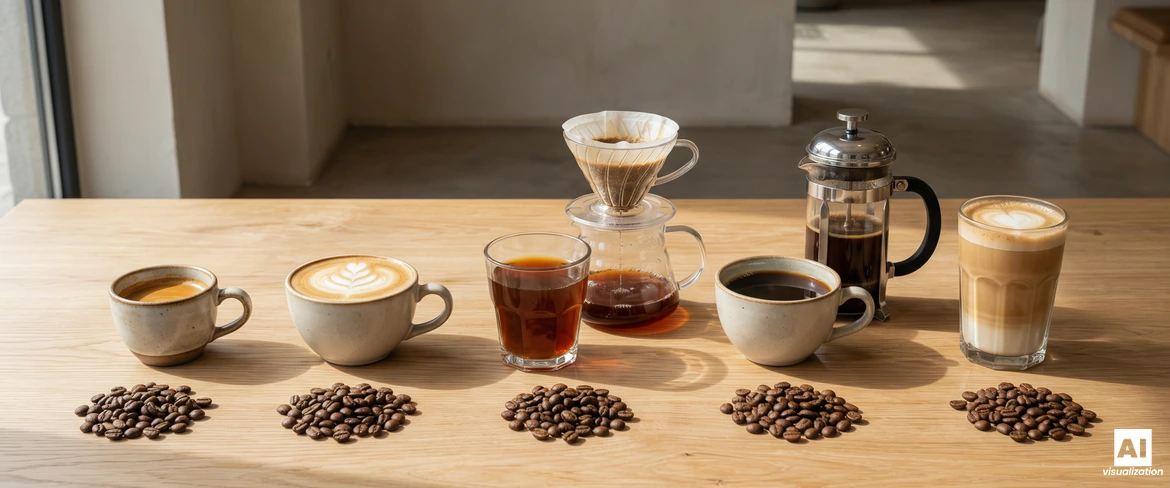
For pour-over, a dripper, a Chemex or an AeroPress, lighter-roasted coffees with a clean profile, in which you can clearly taste notes of fruit, work better. From the ranking, it is worth trying Brazil Guaxupe with its citrus accent and Costa Rica San Rafael with notes of cherry and plum. If you brew coffee in several ways, go for Brazil Samba.
Whichever coffee you choose, remember two things. Grind the beans just before brewing, because ground coffee quickly loses its aroma. And store an opened pack tightly closed, in a dry, dark place. That way every cup will taste the way it should.
We hope our ranking helps you find a coffee that suits you – whether you pick the tried-and-tested leader or decide to discover something new. You will find all the coffees from the ranking, the new arrivals and the other coffees roasted in our roastery in one category in the Bro Coffee Roastery shop.
Choose your coffee from the ranking or discover a new flavour – we prepare freshly roasted Bro Coffee Roastery coffee beans with your cup in mind.
FAQ – frequently asked questions about the best coffee beans and our coffee rankings
1. Which coffee beans are the best?
There is no single coffee that is best for everyone – it all depends on your taste preferences and brewing method. Our ranking of the best coffee beans shows that the most popular choice is the versatile Brazil Samba Premium with notes of chocolate and nuts. If you like fruity flavours, though, you may prefer Costa Rica San Rafael, and if you drink mainly espresso – Amico dall'Italia Espresso Roast.
2. How was the Bro Coffee Roastery coffee beans ranking put together?
The ranking covers only Bro Coffee Roastery coffee beans. We arranged them by the number of packs sold in the third quarter of 2026 – from the most frequently chosen to the one in fifth place. It is a popularity ranking, not an independent quality test or a sensory evaluation.
3. How do you choose good coffee beans?
Start with the flavour you like and what you brew your coffee with. Look at the roast level, flavour notes, acidity and body, as well as the origin of the beans and the roast date. If you are only just getting to know a coffee, choose a smaller pack, and buy your favourite in a larger one.
4. Which coffee in the ranking is best for espresso?
For espresso, Amico dall'Italia Espresso Roast is the best fit – we roast it darker (medium, 4/5) precisely with classic Italian-style espresso in mind. It has a heavy, full body and comes through well in milk-based coffees. Brazil Cerrado, with its heavy body and notes of chocolate and roasted almonds, is also a good choice for espresso.
5. Which coffee is a good choice to start with?
To begin with, we recommend versatile, balanced coffees – that is, the top three places in the ranking: Brazil Samba, Brazil Cerrado and Brazil Guaxupe. They have classic notes of chocolate and nuts, taste good both black and with milk, and you can brew them in an espresso machine, a moka pot, a French Press or as pour-over.
6. Does the origin of the beans affect the taste of coffee?
Yes. The taste of coffee is affected by, among other things, the region and growing altitude, the variety and the way the beans are processed. Brazilian naturally processed coffees are usually sweet, with chocolate and nut notes, while washed coffees, for example from Costa Rica, have a cleaner, more clearly defined profile. That is why in the descriptions of our coffees we give the origin, varieties and type of processing.
7. Why is it worth buying coffee beans?
Coffee beans keep their aroma for longer than ground coffee, and coffee ground just before brewing gives a fuller flavour. You can also adjust the grind size to the brewing method – differently for espresso, differently for a French Press or pour-over.
Recommended

Bro Coffee Roastery – Whole Bean Coffee Brazil Cerrado Premium 400g
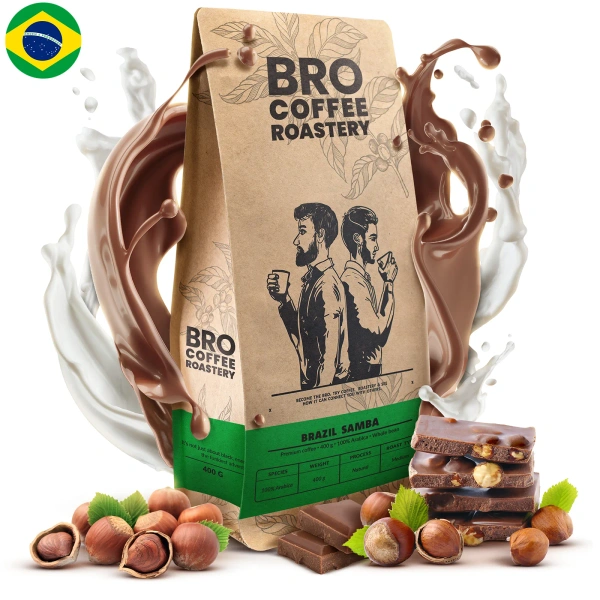
Bro Coffee Roastery – Whole Bean Coffee Brazil Samba Premium 400g