
What is a flat white?

In the world of carefully crafted coffee, the flat white holds a special place. In recent years, this drink has become a firm favourite on speciality coffee menus, winning over both experienced coffee enthusiasts and those taking their first steps into the world of mindful tasting. It is ideal for anyone who loves the creamy texture of a milk-based coffee but does not want to lose the distinctive character of the beans. If you have so far opted only for large, generously foamy drinks, this iconic recipe may completely change the way you think about excellent coffee with milk.
Are you wondering: what is a flat white? And why has it won over baristas around the world so quickly? The answer lies in its carefully judged balance. It is an intense drink built around a well-extracted double espresso, wrapped in a small amount of velvety steamed milk with a microfoam texture. Forget stiff, dry foam that needs to be eaten with a spoon – here, the focus is on a silky, smooth consistency in which nothing obscures the natural notes of the beans. To achieve this remarkable café-style result at home, high-quality coffee is essential – preferably freshly roasted and rich in flavour.
In this article, we will take a closer look at this classic from the Antipodes. We will clear up common misconceptions about the ideal proportions and guide you through the preparation process step by step, showing that a homemade flat white recipe can taste just as good as one prepared by a professional barista.
Table of contents:
- What is a flat white?
- Where does the flat white come from?
- How to make a flat white?
- Flat white, latte and cappuccino – what is the difference?
- Is a flat white a white coffee?
- Which milk works best in a flat white?
- Which coffee should you choose for preparing a flat white?
What is a flat white?
When considering what a flat white is in the context of a café menu, it is best understood as a meeting point between two worlds. On one side, there is the uncompromising intensity of black coffee; on the other, the comforting, enveloping sweetness of warm milk. The simplest answer to the question “what is a flat white?” is that it is a drink created for genuine coffee purists. It is a quiet statement against oversized cups filled with steamed milk, where the unique character of the beans can easily get lost.
When a barista serves you a finished drink, the first things to notice are its carefully considered flat white coffee proportions and the remarkable attention given to texture. Unlike traditional, generously foamy drinks, the coffee remains firmly at the forefront here. The milk is not intended to dilute the flavour, but to give it a silky, smooth form. The character and structure of this distinctive drink can best be described through three key features:
- ☕ A pronounced coffee base: the foundation is usually a double espresso, or a shorter, even more concentrated ristretto. This larger dose of coffee gives the drink clear intensity and depth, allowing chocolate, nutty or fruity notes to remain perceptible alongside the sweetness of the milk.
- ☕ A concentrated serving size: the drink is usually served in a smaller, thick-walled ceramic cup holding around 150–175 ml. This size helps maintain the carefully judged balance between coffee and milk.
- ☕ A characteristically flat surface: unlike classics crowned with a tall layer of dry foam, the surface here is smooth and glossy, which explains the word flat in the name. It is covered by only a thin layer of silky microfoam, usually just a few millimetres thick. This blends beautifully with the espresso crema and creates the perfect canvas for latte art.
What is a flat white made from?
The secret of this popular drink lies in its refined simplicity. To prepare it, you need just two high-quality ingredients: double espresso and carefully heated milk. In the classic café version, there is no place for thick flavoured syrups, whipped cream or dense layers of stiff, dry foam that need to be eaten with a spoon. The beauty of the drink lies in the way the natural oils in the espresso combine evenly with the textured milk.
🧐 Good to know: In the world of third-wave coffee, preparing this drink correctly is often considered a genuine test of a barista’s skills. Creating perfectly silky microfoam without visible air bubbles is considerably more demanding than hiding imperfections beneath a thick layer of foam in a traditional cappuccino.
What does a flat white taste like?
Wondering how a flat white tastes? Its flavour can be described as deep and distinctly coffee-led, yet wonderfully creamy. Because it contains considerably less milk, the natural character of the beans remains clearly perceptible – whether they offer notes of dark chocolate and nuts or brighter fruity accents.
📌 Flavour profile in brief: This drink is noticeably more intense and stimulating than a delicate, milk-heavy latte. At the same time, it is far gentler and more approachable than a double espresso served on its own. Warm milk, heated to no more than 65°C, brings out its natural sweetness, pleasantly rounding the coffee and creating a texture reminiscent of melted ice cream.

Where does the flat white come from?
Although it might seem that almost every classic espresso-based drink originated in sunny Italy, the story of this particular speciality takes us to a very different part of the world. Coffee culture is constantly evolving, and the appearance of this recipe in cafés is a perfect example of how the desire for innovation and the ongoing search for balance can create a new global standard.
The history and origins of the flat white
The origins of this drink are generally traced to the second half of the twentieth century, more specifically to the 1980s. Intriguingly, a lively debate continues to this day over who actually created it. Both Australia and New Zealand proudly claim to be the birthplace of the flat white, and both theories sound equally plausible.
- ✔️ The Australian theory: many sources suggest that the drink was created in Sydney in 1985. The owner of a popular café noticed that customers had grown tired of traditional cappuccinos with large amounts of dry, airy foam. He therefore decided to serve a version with a thinner, more velvety layer of milk.
- ✔️ The New Zealand theory: coffee professionals in New Zealand, meanwhile, claim that the recipe was created in Wellington in 1989, largely by accident. According to the anecdote, a barista failed to whip the cappuccino foam to the desired consistency, and customers immediately fell in love with the smooth, silky result of this happy mistake.
💡 Did you know? For a long time, the drink was known and served almost exclusively in cafés across Australia and New Zealand. A major turning point came in 2005, when the recipe reached London. From then on, the flat white began gaining popularity rapidly across Europe and, later, around the world, becoming an important part of third-wave coffee culture.
The flat white as a classic milk-based coffee
Today, the drink undoubtedly belongs to the broad family of milk-based coffees, alongside popular favourites such as latte and cappuccino. What makes it so distinctive, however, is its carefully defined composition. Although it is still made by combining coffee with milk, the role of the milk is quite different from that found in classic Italian-style drinks.
The main aim when preparing this speciality is to preserve the clear, dominant flavour of a perfectly brewed espresso while creating an exceptionally creamy texture. This is achieved by using considerably less milk and steaming it in a specific way to create the microfoam described above. It is precisely the absence of a thick, airy cap of foam that gives the drinking experience its smooth, consistent character from the first sip to the last.
📌 In summary: A flat white is ideal for anyone who finds traditional cappuccino too foamy, latte too milky and espresso served on its own too intense. It is a modern, elegant standard in which the milk does not mask the quality of the beans, but enhances their character.

How to make a flat white?
Preparing the perfect drink requires precision and an understanding of both main ingredients: an intense coffee brew and properly textured milk. Once you have mastered the basic principles of extraction and milk steaming, you can easily recreate café-quality results in your own kitchen. Below you will find a classic flat white recipe that will guide you through each step and help you create a drink with a beautifully balanced, craft-led character.

☕ How to make a flat white – a step-by-step recipe
Ingredients:
- ✔️ Double espresso, approximately 30–60 ml
- ✔️ 100–120 ml milk, either dairy or a barista-style plant-based alternative
Method:
- Brew the double espresso directly into a preheated ceramic cup.
- Steam the milk until it develops a smooth, glossy microfoam, taking care not to let the temperature exceed 60–65°C.
- Pour the textured milk into the espresso in a controlled, steady motion, gently combining the two layers to create a creamy consistency.
Espresso as the base of a flat white
Before turning our attention to the milk, we need to create the right foundation. This classic drink is based on a well-extracted espresso, most often prepared as a double shot, also known as a doppio. To achieve an intense yet balanced brew, choosing high-quality, freshly roasted beans is essential. Grinding them precisely just before brewing is equally important, as this helps release their full range of natural oils. A well-prepared base should have a slightly fuller texture and a rich, nutty crema, which will provide the perfect foundation for the sweetness of the milk.
💡 A homemade alternative – the moka pot: Not having an espresso machine at home does not mean that you have to give up on making a flat white. A strong brew from a traditional moka pot is an excellent alternative to classic espresso. Coffee prepared this way has a full-bodied texture and pronounced flavour, allowing it to combine beautifully with the milk microfoam. To create the best foundation for a homemade flat white, take a look at our blog post: How to make coffee in a moka pot? A practical guide to help you brew the perfect stovetop coffee!
Milk and delicate microfoam
If you are wondering how to make a flat white with the right texture at home, the key lies in your steaming technique. Unlike the thick, firm foam associated with a classic cappuccino, a flat white requires a fine microfoam (microfoam). This is milk that has been gently aerated until the air bubbles become almost invisible to the naked eye. The texture should be exceptionally smooth, silky and glossy. It is also important not to overheat the milk – the ideal temperature is around 60–65°C. This helps preserve its natural sweetness and prevents it from developing an overheated flavour.
Flat white coffee proportions: espresso and milk
With this carefully crafted drink, precise measurements play an important role. What are the ideal flat white coffee proportions? A common guideline is to use one strong double espresso with a carefully measured amount of milk. So, how much milk should you add to a flat white? Aim for approximately 100–120 ml, depending on the capacity of your cup and your preferred level of intensity. This is considerably less milk than you would use for a delicate, gentle latte. The resulting balance allows the refined flavour of the coffee to remain at the forefront without becoming overly diluted.
How to combine the espresso and milk
The final, crucial step is the pouring technique. Pour the milk relatively slowly and in a steady, controlled stream. At first, hold the jug slightly higher and pour a thin stream so that the milk can pass through the crema and combine thoroughly with the espresso at the bottom of the cup. As the cup begins to fill, lower the jug closer to the surface. This is the moment when a skilled barista can create an attractive latte art pattern. However, always remember that although presentation matters, the main aim is to achieve a smooth, even and perfectly creamy drink.
📌 In brief: A properly combined flat white should not look like a drink with clearly separated layers. Its defining quality is a homogeneous texture – the seamless blending of concentrated coffee with silky, warm milk.

Flat white, latte and cappuccino – what is the difference?
For those just beginning to explore coffee tasting, a café menu can seem rather complex. At first glance, all milk-based coffees look very similar – after all, they are made with coffee and heated milk. In the speciality coffee world, however, the differences are clearly defined and depend on precise proportions, serving size and the texture of the steamed milk. These details are what ultimately shape the flavour profile of each drink.
To make it easier to choose the right drink, it is worth comparing our Antipodean classic with two of the best-known Italian coffee specialities: the mild caffè latte and the traditional cappuccino.
| Feature | Flat white | Latte | Cappuccino |
|---|---|---|---|
| Espresso base | Double (doppio) | Single (or double in a larger serving) | Single |
| Foam | Very thin, smooth microfoam | Medium layer of lightly textured milk | Thick, firm and airy layer |
| Total volume | Approx. 150–175 ml | Approx. 250–300 ml | Approx. 150–180 ml |
| Flavour intensity | High – the coffee clearly dominates | Low – very milky and gentle | Medium – a classic balance |
As the comparison shows, a latte is the largest drink of the three, created for those who enjoy subtle, milk-forward flavours in which the coffee provides a gentle background. A cappuccino is similar in volume to a flat white, but a significant part of the cup is filled with thick, highly aerated foam, while the base is usually a single espresso. This is why the flat white is often considered the most intense and pronounced option in this comparison – the greater amount of espresso and smaller volume of milk allow the natural profile of the beans to remain fully perceptible from the first sip to the last.
📌 In summary: Choose a flat white if you want the pronounced flavour of black coffee with a creamy texture. Opt for a latte when you are in the mood for a mild, warming milk-based drink. Cappuccino is an excellent choice for anyone who enjoys a classic Italian balance with an eye-catching, airy layer of foam.
Is a flat white a white coffee?
In everyday language, we often use broad terms that can cause some confusion. One of the most common questions asked by people who are new to carefully prepared coffee is whether a classic flat white is simply a white coffee.
Answering this question requires us to distinguish between two terms. “White coffee” is a broad, umbrella category. In everyday use, it usually refers to any brewed coffee with any amount of milk added – whether it is prepared in a moka pot, a filter coffee maker or by an alternative brewing method. A flat white, on the other hand, is a precisely defined recipe that relies on specific proportions, carefully selected beans and a particular technique for texturing the milk into silky microfoam.
In other words, simply adding a little heated milk to a standard brew does not turn it into the speciality coffee classic from the Antipodes. A flat white requires an intense base of double espresso and a distinctive, almost level layer of aerated milk, with the espresso remaining firmly at the forefront.
📌 In brief: The principle is simple: while a flat white undoubtedly belongs to the family of milk-based coffees and can therefore be considered a type of “white coffee”, not every coffee with milk can be called a flat white.

Which milk works best in a flat white?
Choosing the right milk has a significant impact on the character of the finished drink. Although espresso provides the pronounced foundation, it is the quality and type of milk that determine the smooth texture, natural sweetness and whether you can achieve the desired microfoam. The best choice for this carefully crafted classic is a milk that responds well to aeration and heating, creating a silky, stable texture.
Dairy milk for a flat white
In traditional speciality coffee cafés, the most common and widely recommended choice is classic dairy milk. The key is the fat content – a full-fat variety containing around 3–3.5% fat usually works best. Fat carries flavour and contributes to the drink’s rich, creamy texture. Full-fat milk provides a fuller flavour and creamier mouthfeel, while the protein content is primarily responsible for creating and stabilising the microfoam.
A flat white with lactose-free milk
For people with food intolerances or those who prefer an alternative, lactose-free milk can be an excellent substitute for conventional dairy milk. It is worth remembering that lactose is broken down into simpler sugars during production, which often makes this milk taste slightly sweeter. This gentle sweetness pairs particularly well with intense espresso, softening its character in a pleasing way.
💡 Good to know: When choosing lactose-free milk for coffee, pay particular attention to its protein content. Protein is what helps create stable foam. If you want café-quality microfoam, look for products with a relatively high protein content or those specifically designed for steaming.
A flat white with oat or soya drink
Coffee culture is constantly evolving, and plant-based alternatives have become increasingly popular with baristas around the world. Which plant-based drinks work best with the precise structure of a flat white?
- ✔️ Oat drink: it is a popular choice in modern cafés. It has a fairly neutral, gently cereal-like flavour that does not overpower the character of the beans. Its naturally full texture can give the drink an especially creamy mouthfeel.
- ✔️ Soya drink: this is one of the most established plant-based alternatives. It has a neutral flavour and a relatively high protein content, which means it can foam as easily and generously as full-fat dairy milk.
If you choose a vegan option, it is always worth selecting a product marked barista. These drinks are specially formulated and fortified to withstand heating without curdling when combined with the coffee’s acidity, while also responding well to the texturing process.
📌 Remember: Whether you choose full-fat dairy milk, a lactose-free version or a modern barista-style plant-based drink, your technique remains the key to success. Avoid overheating the liquid and aim carefully for smooth microfoam without large air bubbles.

Which coffee should you choose for preparing a flat white?
Because a flat white contains a relatively small amount of milk, the flavour profile of the beans plays a particularly important role. The milk should provide a silky backdrop, which makes choosing the right coffee base essential for achieving café-quality results. In the world of speciality coffee, it is worth following a few basic principles to create the ideal balance in your cup.
What should you pay particular attention to when choosing beans for this drink?
- ✔️ Flavour profile: classic flavour notes pair particularly well with the sweetness of microfoam. Look for beans with prominent accents of dark chocolate, hazelnuts, almonds, caramel or cocoa. They create a comforting, almost dessert-like brew. Beans with high fruit-driven acidity, often associated with washed coffees from African origins, may taste slightly sharp and less balanced when combined with warm milk.
- ✔️ Roast level: the safest and most widely recommended choice is a medium roast (medium roast) or a coffee roasted specifically for espresso. It provides suitable intensity, medium to high body and balanced acidity, which complements the natural sweetness of the milk.
- ✔️ Freshness: you will achieve the best results with beans roasted no more than a few weeks earlier. Before brewing, however, remember one fundamental principle: coffee should be ground immediately before brewing to help preserve its valuable aromatic oils. If you would like to learn more about the significant impact this process has on the final flavour in your cup, take a look at our article: Grinding coffee – why do freshly ground beans change the coffee taste?

🤎 Recommended for a flat white: Brazil Samba Premium
Looking for beans that will create the perfect harmony with milk microfoam? Our bestselling Brazil Samba Premium whole bean coffee is a classic 100% Arabica from Brazil. It has a versatile medium roast profile and excellent balance. Its natural chocolate and nutty notes, medium acidity and fuller body work beautifully with steamed milk to create a harmonious drink. It is a dependable choice for both a home espresso machine and a moka pot.
If someone asks you after reading this article, what is a flat white, you will be able to explain that it is much more than just another item on a fashionable café menu. It is a carefully considered, uncompromising combination created for those who want to enjoy the intensity of black coffee in a comforting milk-based form. By choosing high-quality speciality coffee beans, paying attention to espresso extraction and carefully texturing the milk into smooth microfoam, you can easily prepare this modern classic in your own home.
It’s time to fire up your coffee machine and bring the very best café standards straight into your kitchen!
FAQ – frequently asked questions about flat white coffee
1. What is a flat white?
It is a classic café-style milk-based coffee made with a double espresso, also known as a doppio. It is distinguished by an intense, pronounced coffee flavour that is not dominated by the milk, along with an almost flat surface. Rather than stiff, dry foam, it has only a thin layer of silky, glossy microfoam.
2. How much milk should be added to a flat white?
Classic speciality coffee proportions call for around 100–120 ml of milk per double espresso, containing approximately 30–60 ml of coffee. This amount is enough to give the drink a creamy texture and natural sweetness, while allowing the full flavour profile of the beans to remain at the forefront.
3. Is a flat white stronger than a cappuccino?
In terms of sensory intensity, a flat white is generally more pronounced. This is because a traditional cappuccino is usually made with a single espresso and combined with a thicker, more highly aerated layer of foam. A flat white is based on a double espresso and contains less milk, which gives it a more pronounced coffee character.
4. Can a flat white be made with coffee from a moka pot?
Yes. Although the café standard is based on espresso extracted using an espresso machine, a strong, full-bodied brew from a traditional moka pot is an excellent homemade alternative. This coffee base combines well with milk microfoam and can produce a satisfying result in your own kitchen.
5. Does a flat white contain more caffeine than a latte?
In most cases, yes, although the exact amount depends on the recipe used by the café. A flat white is typically prepared with a double espresso, providing a substantial amount of caffeine. By contrast, a large, mild latte is often made with just a single espresso, with that coffee then diluted in a much larger volume of milk.
6. Can a plant-based milk be used in a flat white?
Yes. Plant-based alternatives work very well in this recipe. Oat and soya drinks are particularly popular in speciality coffee shops. It is important to choose varieties marked “barista”, as they are designed to withstand heating and create smooth, stable microfoam without curdling.
Recommended

Moka coffee pot 300ml
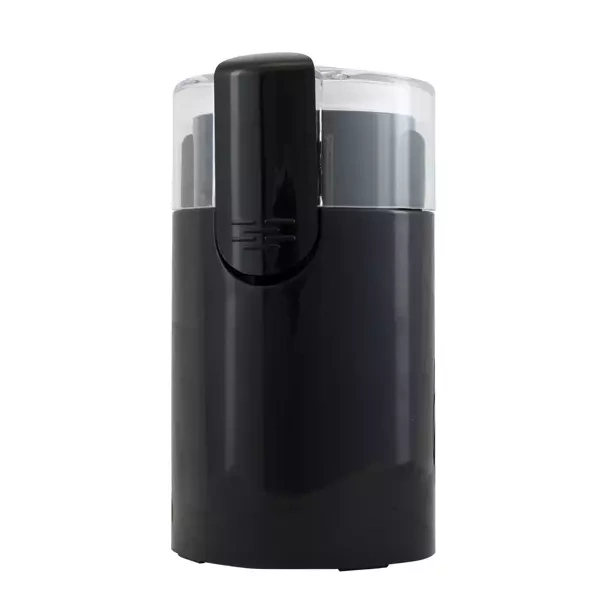
Electric coffee grinder 150W

Bro Coffee Roastery – Whole Bean Coffee Brazil Samba Premium 400g