
Macchiato – what is it and how do you make it at home?
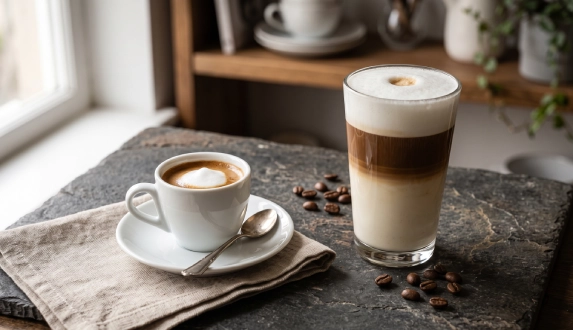
What is macchiato coffee, and why has it become so popular in Italian cafés? In a world of oversized, sweet drinks topped with whipped cream, classic caffè macchiato remains a symbol of uncompromising coffee elegance. This unassuming drink captures the essence of the Mediterranean way of life, where quality has always mattered more than the size of the cup. Ordering one shows that you appreciate the authentic craft of carefully roasted coffee. It is the perfect choice for a quick morning caffeine boost or an elegant finishing touch after a fine meal.
This is a drink created for people who love the intensity of black coffee but want a delicate, creamy contrast. Unlike larger, milk-based drinks, the milk does not overpower the coffee here – it simply enhances its depth and softens its natural bitterness. Just a small amount of perfectly textured, airy foam is enough to transform the character of a classic espresso.
In this article, we will take you on a short culinary journey through the world of this distinctive drink. You will discover what macchiato coffee tastes like and how it differs from the equally popular latte macchiato. You will also learn how to make a macchiato at home, using our tried-and-tested macchiato recipe – without complicated equipment.
Table of contents:
- Macchiato – what is it?
- Espresso macchiato – what kind of coffee is it?
- Macchiato versus latte macchiato – what is the difference?
- Macchiato coffee – how do you make it?
- How do you make a latte macchiato?
- Which coffee is best for macchiato?
- How should macchiato and latte macchiato be served?
- The most common mistakes when preparing macchiato
Macchiato – what is it?
Before we move on to the practical side of brewing, let us answer a fundamental question: what is macchiato coffee, exactly? In Italian, the word macchiato literally means ‘stained’ or ‘marked’. This charming, poetic name is not accidental. Its origins are actually very practical.
Before modern ordering systems became common in Italian cafés, communication between a busy barista and the waiting staff had to be quick and clear. During busy periods, when dozens of identical cups were lined up on the counter, it was easy to mix up orders. Baristas therefore needed a simple visual way for staff to distinguish a classic black espresso from one containing a little milk. They began to ‘mark’ the latter with a small spot of thick milk foam on top. This seemingly minor, practical solution soon developed into a completely new style of coffee, now enjoyed around the world.
Since the milk is only a subtle accent in this drink, the coffee base receives all the attention. To prepare it according to the principles of traditional Italian coffee-making, you need high-quality, freshly roasted coffee. Unlike larger milk-based drinks, there is no syrup here to conceal flaws in lower-quality beans. The essence of this classic drink lies in carefully roasted coffee and its distinctive sensory profile. A rich, concentrated brew takes centre stage, while the small cloud of milk foam remains a delicate complement.
💡 Did you know? In Italian coffee culture, cappuccino and other milk-based drinks are often associated primarily with the morning. Espresso macchiato, however, is generally treated more like a black coffee. This means that it can also be enjoyed later in the day, including after a meal.
What does macchiato taste like?
When considering macchiato coffee from a sensory perspective, forget about sweet, milk-heavy desserts for a moment. This drink has a bold, distinctive flavour. A rich espresso takes the lead, while the small amount of milk foam is not intended to overpower the coffee. Instead, it gently softens the natural bitterness and acidity, adding a smooth, velvety texture to the palate.
Who is it the ideal choice for? Consider it from this perspective:
- ✔️ if classic espresso seems a little too sharp or intense for you,
- ✔️ if cappuccino feels too large or filling,
- ✔️ if you are looking for an intense yet creamy coffee experience…
...then macchiato could be your perfect middle ground. It is considerably more intense and far less milky than many other popular drinks on a café menu. The result is a balanced combination of espresso’s expressive character and the delicate softness of milk foam.
Espresso macchiato – what kind of coffee is it?
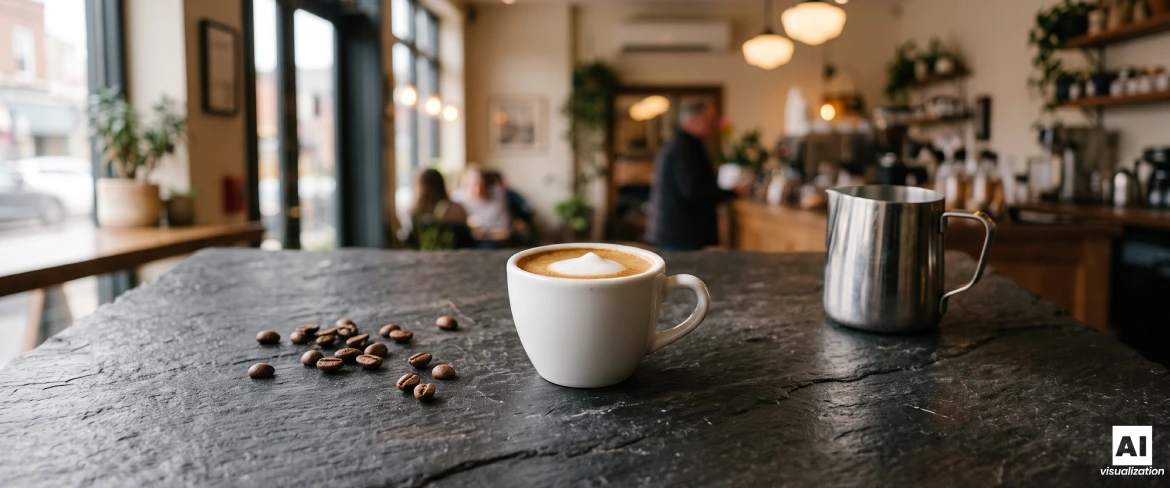
Café menus often feature abbreviated names that can be confusing for those new to speciality coffee. So, if you are wondering: “espresso macchiato – what kind of coffee is it?”, it is important to know that this is the precise name for the authentic Italian original mentioned in the previous section. It is simply a perfectly brewed single (or, less commonly, double) espresso topped with just one or two teaspoons of thick, velvety milk foam. Espresso macchiato coffee is a classic Italian drink made with a single espresso and a small amount of milk foam.
Unlike the drinks served by international coffee chains, classic espresso macchiato is a very small drink. The total volume is usually just 35–40 millilitres. The proportions clearly favour the black coffee base, which accounts for the vast majority of the drink, while the milk is only a subtle addition. You will not find a large amount of liquid milk here – only a light layer of airy microfoam resting on the dark coffee like a small island.
| Drink parameters | Classic espresso | Espresso macchiato |
|---|---|---|
| Coffee base | Single shot (approx. 25–30 ml) | Single shot (approx. 25–30 ml) |
| Milk addition | None | 1–2 teaspoons of airy microfoam |
| Serving vessel | Small cup (known as a demitasse) | Small cup (known as a demitasse) |
The way this drink is served is just as minimalist as its ingredients. Because it is so small, it is traditionally served in a small cup, usually made from thick porcelain. This type of vessel helps the drink retain the right brewing temperature for longer, allowing every sip to reveal the full depth of its aroma.
📌 In short: If someone asks you, “espresso macchiato – what kind of coffee is it?”, you can confidently explain that it is a small, concentrated drink for anyone who enjoys a pronounced coffee flavour. It is usually enjoyed in two or, at most, three quick sips. Traditionally, as part of the Italian café ritual, it is often drunk standing at the counter before heading back to the day’s activities.
Macchiato versus latte macchiato – what is the difference?
When you visit a café and see the word ‘macchiato’ in a drink’s name, it is easy to get the two options confused. Since we now know that the Italian word means ‘stained’, there is one important question to ask: what exactly is being stained? This detail reveals the fundamental difference between these two popular coffee drinks.
Many people new to speciality coffee wonder: what kind of coffee is latte macchiato, and why is it served in such impressive glasses? There is also often confusion about latte versus latte macchiato. The answer is straightforward: in a classic latte, espresso is combined with milk to create a smooth, relatively uniform drink. With latte macchiato, the key feature is the distinctive separation into visible layers. Let us now return to our main comparison with the small Italian original.
Although both drinks share the same word in their name, they are very different in character. The main differences can be understood through four key aspects:
- ✔️ Ingredient proportions: In espresso macchiato, the coffee is clearly the dominant element, while the milk is only a subtle addition. In latte macchiato, the proportions are reversed: the drink is based primarily on hot, foamed milk, with a relatively small amount of espresso added to it.
- ✔️ Preparation order: To prepare the classic Italian drink, you first brew the concentrated espresso and then ‘stain’ it with a little milk foam placed on top. With latte macchiato, you first pour the foamed milk into the glass and then slowly add the espresso to ‘stain’ the white base.
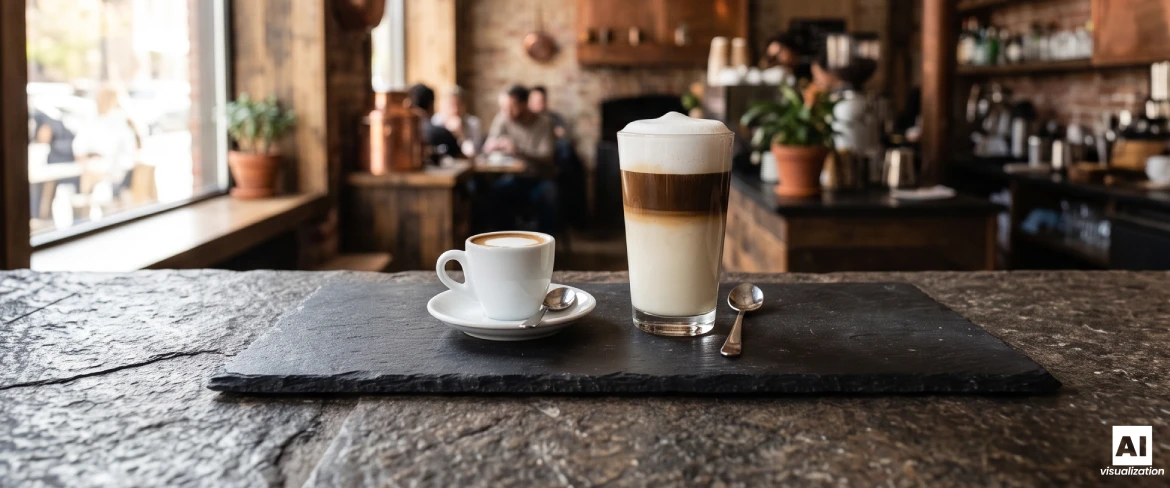
- ✔️ Volume and serving style: The original is a small drink of approximately 35–40 ml, served in a tiny cup. The latte version is much larger and is served in a tall, transparent glass, often holding 250–300 ml, so that its three distinct layers – milk, coffee and foam – can be clearly seen.
- ✔️ Flavour intensity: Small macchiato offers a bold, concentrated profile that highlights the character of the roasted beans, softened only slightly by the smooth foam on top. Its milk-based counterpart is much gentler and creamier, with a softer coffee flavour.
| Feature | Espresso macchiato | Latte macchiato |
|---|---|---|
| Drink base | Concentrated espresso | Foamed milk |
| Pouring order | Coffee ➡️ Milk foam | Milk ➡️ Coffee |
| Visual layers | Uniform coffee with a small mark of foam | Three distinct layers (milk, coffee, foam) |
| Serving vessel | Small cup (known as a demitasse) | Tall, transparent glass |
Choosing between these two drinks is therefore not only a matter of flavour, but also a choice between two very different ways of enjoying coffee. When you choose a small macchiato, you are opting for a quick, concentrated coffee experience. Latte macchiato, by contrast, is a gentler, milkier drink designed to be enjoyed at a more relaxed pace. This striking difference shows how dramatically the character of the same roasted beans can change simply by adjusting the proportions and the way the drink is served.
📌 In short: Espresso macchiato is a bold coffee marked with a little milk, created for anyone looking for an intense coffee experience in an elegant format. Latte macchiato, on the other hand, is hot milk marked with a little coffee, ideal for those who prefer a gentler, layered drink. The two names share the same word, but the drinks themselves have very different characters.
Macchiato coffee – how do you make it?
Preparing this classic Italian drink at home does not require a professional multi-boiler espresso machine costing thousands. The key to success lies in the right proportions, high-quality beans and following the correct order of each step. Wondering how to make a macchiato as beautifully as the one you enjoy in a café? This is an exercise in coffee minimalism: it requires precision, but rewards you with a rich, layered flavour in the cup.
Ingredients needed to prepare a macchiato
The ingredient list for this drink is so short that you could easily fit it on a small café napkin. The real difference, however, lies in the quality of the ingredients you choose. To recreate an authentic café-style sensory profile, prepare:
- ✔️ Freshly roasted coffee beans: the essential foundation for a rich single or double espresso.
- ✔️ A small amount of milk: you only need a little liquid to create the foam. Whole dairy milk works well, as does a good-quality plant-based barista-style alternative.
- ✔️ Optional: a little caster or brown sugar. Although purists would say that a classic macchiato needs no sweetener, the final choice is yours.
How to prepare the espresso for a macchiato
A rich, concentrated espresso is the foundation of this drink. Its extraction determines whether the finished coffee will impress with a full aroma or disappoint with a flat, harsh flavour. For the best results, use freshly ground beans just before brewing. Choose a fine grind suited to your espresso machine or moka pot, allowing the water to extract the most desirable flavours from the grounds.
Remember that a classic espresso shot is very small, usually around 25–30 ml. This strong, concentrated base, topped with a dense, nutty crema – the natural foam created during brewing – provides the perfect canvas for the milk foam.
How to froth the milk for a macchiato
The next important step is preparing the milk correctly. You do not need a large quantity of hot liquid milk, as you would for a latte. The aim is to create just a few dozen millilitres of well-aerated, dense and silky microfoam that will retain its structure after being added to the coffee.
It is best to heat the milk to around 60–65°C. At this temperature, it retains its natural sweetness, while its proteins help create a stable structure. You can use a professional steam wand on a traditional espresso machine, an electric milk frother or even a simple manual frother, such as a French press.
How to combine the espresso with the milk foam
We have reached the final stage, when the ingredients come together to create a balanced drink. Combining the hot coffee with silky milk foam requires a little care and precision. Assemble the drink promptly to preserve its temperature and the aromatic compounds that quickly escape from freshly brewed espresso.
That is why we have prepared this classic macchiato recipe for you. It will guide you through the entire brewing process step by step, with no unnecessary complexity.

☕ Classic espresso macchiato – preparation guide
1. Warm the cup: Before brewing the coffee, rinse a small porcelain cup with hot water. A warm cup will help the small amount of coffee retain its temperature for longer.
2. Brew the base: Prepare a concentrated single espresso, approximately 25–30 ml, directly into the pre-warmed cup. A dense, intact crema should form on the surface.
3. Froth the milk: In a separate milk pitcher, heat and froth a small amount of milk until it reaches a smooth, yoghurt-like microfoam consistency. Avoid creating large, stiff bubbles.
4. ‘Mark’ the espresso: Use a teaspoon to scoop up a little of the dense foam – around one or two teaspoons – and gently place it in the centre of the coffee crema. Your macchiato is ready!
This simple method is a true café classic, admired for its understated elegance. Serve and enjoy the drink immediately after assembling it. If left too long, the microfoam will quickly lose its desired texture, while the espresso will become unpleasantly bitter and lose its natural balance.
Feel free to experiment with the proportions at home, adjusting the amount of foam to suit your personal preferences. Each attempt will bring you closer to mastering the refined Italian art of preparing a macchiato coffee.
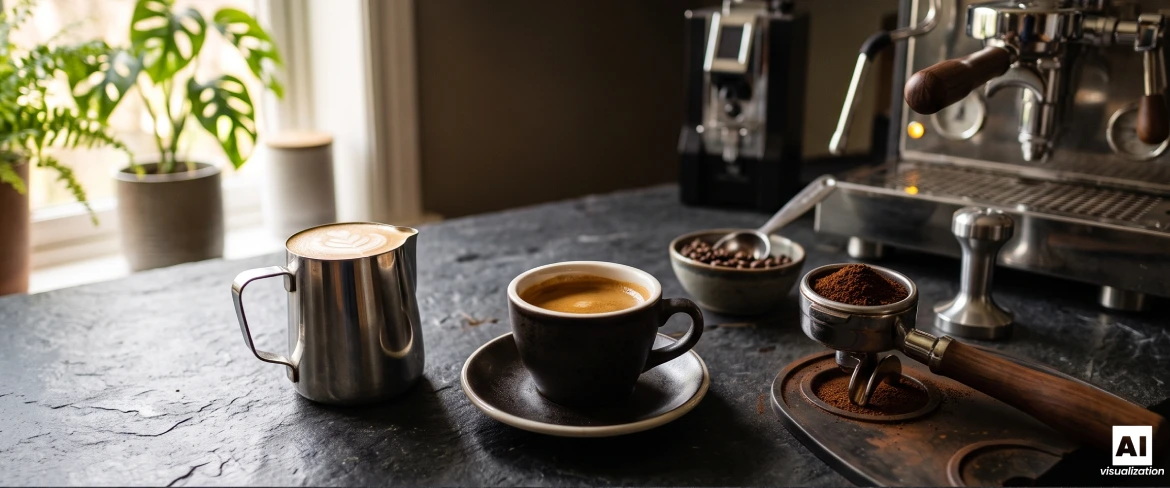
How to make a latte macchiato?
Now that we have mastered the classic Italian original, it is time to look at its larger, milk-based alternative. Wondering how to make a latte macchiato at home so that it looks just as impressive as one served in a fine café? Although the process may seem slightly more complex because of the characteristic layers, it is actually quite straightforward. The key is to reverse the order in which the ingredients are added.
Preparing and frothing the milk
In this drink, coffee plays a supporting role, while the main foundation is a properly prepared milk base. Instead of just a few millilitres of foam, you will need a much larger portion – usually around 200 to 250 ml of cold milk, or a good-quality plant-based alternative. Heat it to approximately 60–65°C and then froth it thoroughly to create a generous amount of light, stable foam.
Pour the aerated milk straight into a tall, transparent glass. This is an important moment in the process: leave it to rest for 30–60 seconds. During this time, the liquid structure will begin to settle. The heavier liquid milk will remain at the bottom of the glass, while the lighter, denser foam will rise to the top, creating a clear visual division between the two.
Adding the espresso to the milk
Once your glass contains this two-part division of liquid milk and foam, it is time to add the coffee extract. A well-prepared latte macchiato requires freshly brewed espresso to be added last, which, as we have already seen, is the complete opposite of preparing the traditional macchiato coffee.
To avoid disturbing the carefully formed milk structure, pour the coffee patiently and gently. The best technique is to add the espresso in a slow, thin stream down the side of the glass, or to pour it directly through the centre of the foam. This allows the concentrated coffee to pass gently through the top layer without immediately mixing the contents of the glass.
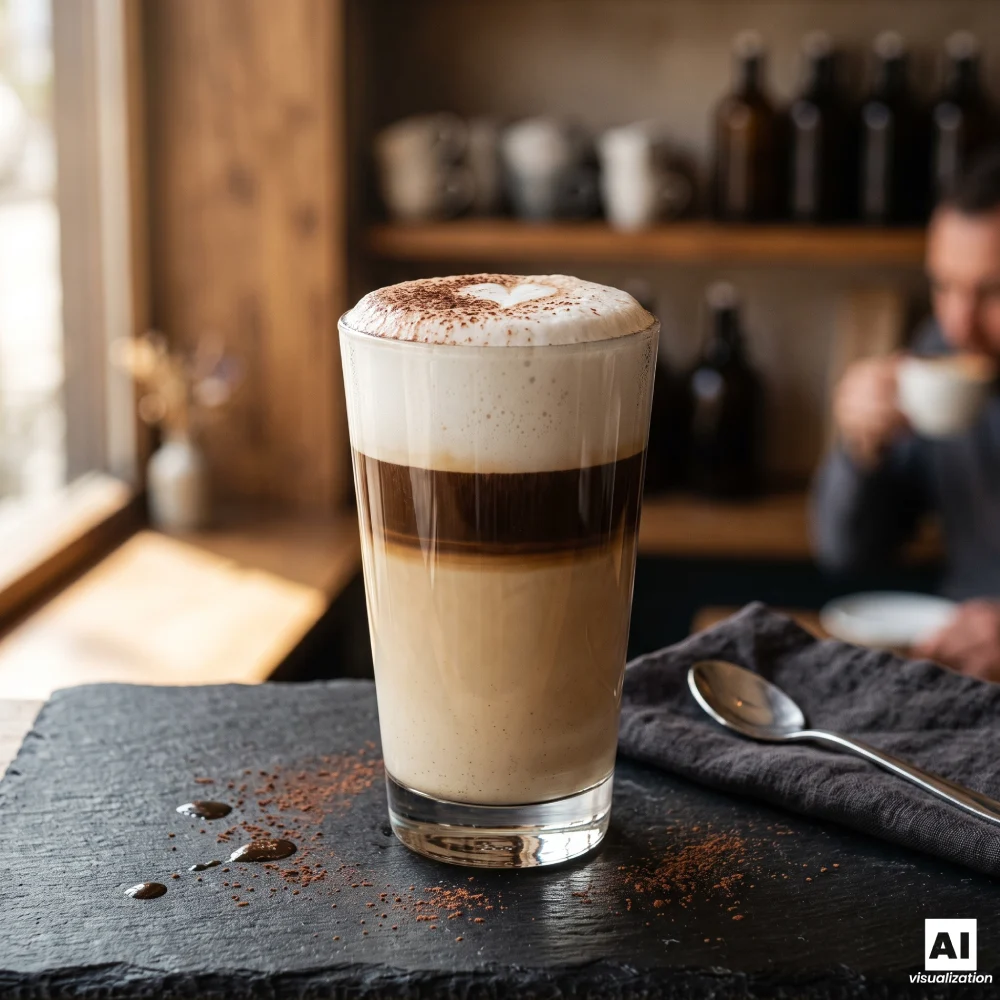
🥛 Homemade latte macchiato – preparation guide
1. Froth the milk: Heat and froth around 200–250 ml of milk until it is generously aerated. Pour it into a tall, transparent glass, making sure that plenty of foam forms on top.
2. Let it rest: Leave the milk to settle for around one minute, allowing the hot liquid milk to separate from the denser foam on the surface.
3. Brew the coffee: In the meantime, prepare a classic single espresso, approximately 25–30 ml, in a small pouring jug or a measuring cup with a spout.
4. Create the layers: Pour the espresso very slowly in a thin stream through the centre of the milk foam. The coffee should settle between the liquid milk and the foam at the top.
This drink impresses with its elegant appearance, resembling a refined layered dessert served in a glass. Because of its generous volume and distinct structure, it is best served with a long-handled coffee spoon, allowing you to mix the layers comfortably before taking the first satisfying sip.
Choosing not to mix the drink immediately creates a particularly delicate first tasting experience. You will initially taste the sweet milk foam with its subtle coffee aroma, followed by the more pronounced intensity of the espresso hidden beneath it.
How to create the characteristic latte macchiato layers?
Many home baristas wonder what really lies behind the café-style appearance of a perfectly layered drink. The three-part structure is largely the result of a few basic physical principles. The density and temperature of each component are particularly important.
The hot liquid milk forms the bottom layer, while the highly aerated foam is lighter and remains on the surface. When the espresso is poured slowly, its temperature, density and gentle flow help it form a visible middle layer between the milk and the foam. This is why the coffee can appear to ‘float’ in the centre of the glass, creating a dark and striking contrast.
💡 Good to know: Have you noticed that the perfect layers in your glass gradually become less distinct and slowly begin to blend together? Do not worry – this is a completely natural physical process, not a mistake in preparation. As the drink cools and releases heat into its surroundings, the differences in temperature and density between the layers gradually become less pronounced.

Which coffee is best for macchiato?
You already know how to prepare both of these distinctive drinks, but one important question remains. Even the most precise barista technique cannot compensate for poor-quality coffee. Choosing the right beans is the foundation of a successful cup. So, which coffee is best for macchiato? Above all, choose one with a pronounced aroma and enough intensity for its distinctive sensory profile to remain noticeable when combined with milk foam.
Which roast level should you choose?
One of the key factors is the way the coffee has been roasted. For espresso-based drinks with milk, beans with a medium or slightly darker roast often work particularly well. This type of roast can bring out natural sweetness and deep, dessert-like notes, while reducing sharper flavours that might otherwise dominate the drink. If you would like to explore how roast profile shapes the character of coffee, read our article: Light, medium or dark? How your coffee roast profile affects the flavour and aroma of speciality coffee.
The final choice naturally depends on your personal preferences and the level of intensity you want from the coffee base. In general, balanced roast profiles are a reliable choice here, helping you achieve a harmonious, café-style flavour.
Which flavour notes work well in latte macchiato?
Milk naturally enhances sweetness while softening the acidity and bitterness of coffee. So, if you are wondering which coffee will create the most harmonious latte macchiato, it is worth choosing a familiar, balanced flavour profile. Beans with notes of chocolate, caramel, nuts or delicate spices are particularly well suited to this drink. If you would like to explore the world of coffee aromas in more detail, take a look at our guide to coffee flavour notes and sensory profiles.
High-quality coffee from Brazil makes an excellent base for layered milk drinks. Brazilian coffees are known for their balanced, full-bodied character, making them a reliable choice with moderate acidity and plenty of flavour for experimenting with milk-based recipes.

☕ Our recommendation: Bro Coffee Roastery Brazil Samba
Looking for a versatile coffee that works equally well in a small, intense drink and in a tall glass topped with plenty of foam? Meet Brazil Samba Premium!
- ✔️ Flavour profile: a classic, harmonious combination of chocolate and nutty notes.
- ✔️ Roast level: medium roast, offering excellent balance and medium body.
- ✔️ Quality: 100% Arabica, rated 82–84 points on the SCA scale.
This is a speciality coffee that does not overpower the cup with harshness. Instead, it offers a clean, versatile drinking experience and pairs beautifully with silky milk foam.
How should macchiato and latte macchiato be served?
In the world of speciality coffee, the visual presentation and the choice of serving vessel are almost as important as the extraction itself. The vessel you choose affects not only the café-style appearance of the drink, but also how long it retains its ideal temperature and how its sensory profile is perceived. The serving methods for these two drinks are quite different, which highlights their distinct character.
- ✔️ Classic espresso macchiato: As this is a very small drink, it is traditionally served in a small cup, known as a demitasse, usually holding between 60 and 90 ml. Thick porcelain works particularly well. Warm the cup with hot water before brewing to help the small, concentrated drink retain its temperature for longer.
- ✔️ Latte macchiato: This milk-based drink calls for a different approach. To showcase its greatest visual feature – its distinctive three layers – serve it in a tall, transparent glass, usually with a capacity of around 250–300 ml. A long-handled coffee spoon is also useful, allowing you to mix the layers comfortably before taking the first sip.
Whichever version you choose for yourself or your guests, remember one essential rule: serve and enjoy the coffee immediately after preparing it. Cooled espresso quickly loses its natural balance and may taste unpleasantly astringent, while cooling milk foam gradually loses the light, silky texture that makes it so appealing.
What about popular toppings and additions? Coffee purists usually enjoy a small macchiato without any extras, although some choose to add a little white sugar to accentuate the natural sweetness of the beans. With larger milk-based drinks, there is more room for creativity. You can lightly dust the foam with unsweetened cocoa or cinnamon, or finish it with a few fine shavings of dark chocolate. These simple visual touches give the drink a more indulgent, inviting character that pairs beautifully with its gentle, milky flavour.
📌 In short: The right serving vessel is an important part of the coffee experience. A small, thick-walled cup helps preserve the temperature of an intense espresso macchiato, while a tall, transparent glass allows the milk-based version to display its striking layers. Always serve the drink immediately after preparing it.

The most common mistakes when preparing macchiato
Even the most minimalist recipes can have their pitfalls. Although preparing the Italian original involves just a few simple steps, it is surprisingly easy to upset its carefully balanced character. Here are the most common mistakes that can affect the final result, together with practical advice on how to avoid them:
- ❌ Adding too much milk: This is the quickest way to overpower the coffee and turn a classic macchiato into a miniature latte. Keep the proportions in mind – add just one or two teaspoons of thick milk foam to the finished espresso, avoiding liquid milk altogether.
- ❌ Overheating the milk while frothing: Bringing the milk base to the boil destroys its natural sweetness and causes the proteins to break down, making it difficult to create a light, stable texture. Keep the temperature within the safe range of 60–65°C so that the microfoam remains smooth, dense and pleasant on the palate.
- ❌ Using stale coffee: In such a small drink, the coffee itself plays the leading role. Stale beans produce a flat, watery and unpleasantly bitter flavour, as well as a lack of the beautiful, nutty crema expected from a well-extracted espresso. Always choose quality coffee from a specialist roastery and grind the beans just before brewing.
- ❌ Using a weak espresso: Poor extraction can leave the coffee tasting diluted, even when topped with only a small amount of milk foam. Use a suitably fine grind, the correct dose and an appropriate brewing time to achieve a dense, concentrated shot of approximately 25–30 ml.
📌 In summary: The perfect classic macchiato is all about precision and balance. Avoid adding too much volume, monitor the milk temperature and always choose freshly roasted, high-quality beans. This will help each attempt taste as carefully prepared as a macchiato coffee made by an experienced Italian barista.
Preparing an authentic, distinctive macchiato coffee at home is a rewarding experience that gives you a chance to step away from the rush of everyday life. Whether you prefer the intensity of the traditional version or the lighter, layered character of a latte macchiato, the quality of the coffee base is always essential. Treat brewing as your own small morning ritual. Experiment, taste and enjoy the refined sensory profile that only high-quality beans can offer.
Brew the perfect cup, enjoy a café-style moment and start your day in excellent style!
FAQ – frequently asked questions about macchiato coffee
1. What is macchiato coffee?
Classic macchiato, also known as espresso macchiato or caffè macchiato, is a single espresso ‘marked’ with a small amount of steamed milk foam. The drink has an intense, distinctly coffee-led flavour, while the milk foam gently softens its bitterness and adds a creamy texture. It is traditionally served in a small cup.
2. What kind of coffee is espresso macchiato?
Espresso macchiato is a strong espresso with approximately one or two teaspoons of milk foam. Compared with a cappuccino or latte macchiato, it contains far less milk, so its flavour remains intense and concentrated. It is the classic Italian style of macchiato.
3. What kind of coffee is latte macchiato?
Latte macchiato is primarily hot, foamed milk with espresso added to it. The drink is prepared in a tall, transparent glass, usually with a volume of around 250–300 ml. When prepared correctly, it has three visible layers: milk at the bottom, espresso in the middle and milk foam on top.
4. What is the difference between a latte and a latte macchiato?
In a classic latte, espresso is combined with foamed milk to create a relatively uniform drink. With latte macchiato, the milk is prepared first and the espresso is added afterwards to create the characteristic layers. The main differences therefore concern the proportions of the ingredients, the preparation order and the way the drink is served.
5. Is macchiato stronger than latte macchiato?
Macchiato usually tastes more intense because espresso makes up most of the drink. Latte macchiato generally contains a similar amount of espresso, but it is diluted by a much larger quantity of milk. The difference in caffeine content depends mainly on the number of espresso shots used, while the difference in flavour intensity is primarily due to the proportions of coffee and milk.
6. Can macchiato be prepared without an espresso machine?
Yes. At home, you can replace espresso with a strong, concentrated coffee brewed in a moka pot or another suitable brewing device. It will not technically be classic espresso, but the drink will retain its intense character. You can froth the milk using a handheld frother, a French press or a simple electric milk frother.
Recommended

Bro Coffee Roastery – Whole Bean Coffee Brazil Cerrado Premium 1kg
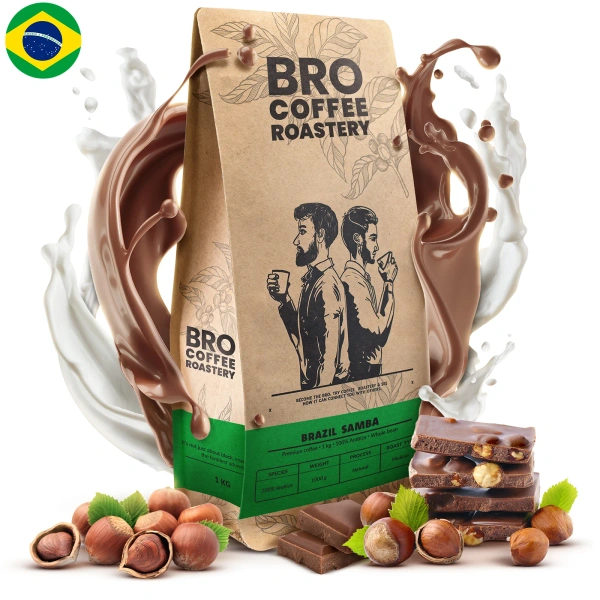
Bro Coffee Roastery – Whole Bean Coffee Brazil Samba Premium 1kg

Bro Coffee Roastery – Whole Bean Coffee Brazil Guaxupe Premium 1kg
