
French press coffee maker – how does it work and which model should you choose?
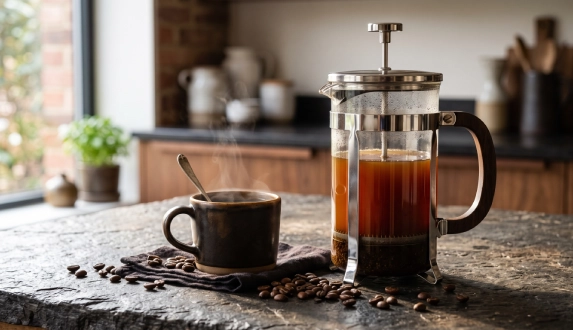
Looking for a brewing method that is simple, requires no electricity and can still bring out the best in your coffee beans? The answer is the classic French press. In this article, we will take you through the entire process: from how this understated brewer works and choosing the right beans to the refined technique that will make your morning cup taste as though it came from a leading specialty coffee shop.
Whether you are looking for a coffee brewer with a minimalist design or something more distinctive, there are dozens of options available. We will show you how to choose the ideal model for your needs, explain what else you can use it for and guide you through the brewing process step by step. Let’s get started!
Table of contents:
- What is a French press coffee maker?
- How does a coffee brewer work?
- French press coffee maker – how to use it?
- French press – how do you brew delicious coffee?
- Which coffee is best for a French press?
- Which French press coffee maker should you choose?
- What else can you use a coffee brewer for?
- How to clean a French press?
- The most common mistakes when brewing coffee in a coffee brewer
What is a French press coffee maker?
In the simplest terms, a French press coffee maker is an intuitive coffee-brewing accessory in which water remains in direct contact with ground coffee. Although its shape may resemble a traditional jug, it contains a clever mechanism. The brewer consists of a cylindrical vessel and a precisely fitted plunger with an integrated filter. Its greatest advantages are its ease of use and complete independence from electricity – all you need is hot water and your favourite coffee. What is more, it is an excellent choice when meeting friends or family, as larger models allow you to prepare several cups of coffee at once. If you are just putting together your home collection of coffee accessories, this versatile piece of equipment certainly deserves a place on your list.
French press coffee maker
Despite the constant development of technology and the growing number of new coffee gadgets, the manual French press coffee maker remains one of the most highly regarded devices in the world of specialty coffee. This is largely down to the flavour and texture of the resulting brew. As the device uses a reusable metal filter rather than a disposable paper one, natural coffee oils pass freely into the water. The result is rich and intensely flavoured coffee from a French press with a full, pronounced body that is difficult to recreate using standard pour-over methods.
Why is a French press called a plunger brewer?
You may have noticed another term for this device in cafés or on shop shelves. Why is it often referred to as a plunger coffee maker? The answer lies directly in the way it works and in the method used to separate the grounds from the liquid. The key component is the plunger built into the lid. Once the coffee brewing process has finished, usually after a few minutes, the user slowly and evenly presses it down, moving the metal filter to the bottom of the vessel. This simple, almost mesmerising mechanism keeps the coffee grounds away from the cup.
💡 Did you know? Although this device is known around the world as a “French press”, the first registered patents for a similar filtering mechanism appeared in Italy, near Milan, towards the end of the nineteenth century. Over time, however, it was the French who played the greatest role in popularising this brewing method.
What are the main parts of a French press?
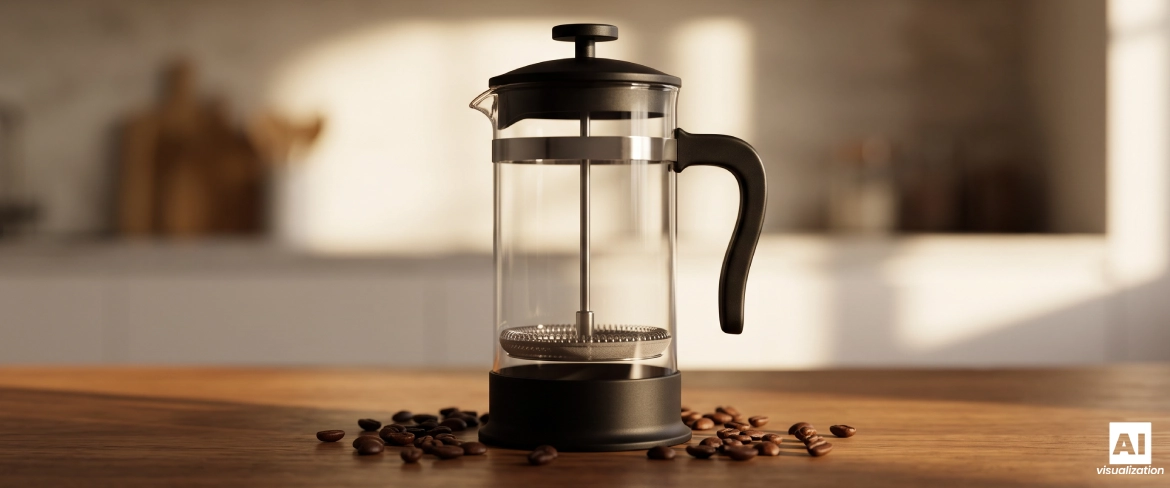
The design of this iconic piece of equipment is remarkably simple. Knowing exactly what makes up a brewer will certainly make it easier to choose the right model later on. A standard device consists of the following parts:
- ✔️ vessel – the main cylindrical container in which coffee extraction takes place,
- ✔️ lid with plunger – helps retain heat and houses the essential filtering mechanism,
- ✔️ metal filter – a fine mesh that allows liquid and oils to pass through while retaining most of the coffee grounds,
- ✔️ handle and base – the frame that protects your hands from heat and keeps the vessel stable on the worktop.
When choosing the right product, it is worth considering the material used to make the vessel. Glass models look elegant and make the brewing process particularly satisfying to watch. Stainless-steel models, on the other hand, are exceptionally durable and can retain the liquid’s temperature for longer, while versions made from thick plastic are well suited to travel.
How does a coffee brewer work?
The principle behind this unassuming vessel is based on full immersion, meaning the coffee grounds remain completely submerged. To understand how a french press coffee maker works, it is enough to follow three simple and thoroughly satisfying steps. First, coarsely ground coffee is covered with hot water. The extraction then takes place over several minutes, allowing the water to draw out the coffee’s flavour and aroma. Finally, the plunger mechanically separates the grounds from the brewed coffee. Unlike an espresso machine or popular pour-over methods, a french press does not normally require a disposable paper filter. This seemingly small detail makes a significant difference to the brew’s sensory profile.
What do the plunger and metal filter do?
The heart of the french press is its integrated filtering mechanism. The plunger, fitted with a precisely made metal mesh filter, slowly moves the brewed grounds to the bottom of the vessel. It keeps them there, helping to prevent them from entering the cup when the coffee is served. As a metal filter has slightly larger openings than a paper filter, more natural coffee oils and fine particles pass through into the brew. The result is a fuller texture and a particularly flavoursome cup with deep, expressive notes, although a small amount of fine sediment may settle at the bottom.
Can a French press make coffee without sediment?
Many people looking for the ideal brewing equipment wonder whether a French press can produce a completely clear drink. In technical terms, a traditional French press does not guarantee a perfectly clear brew. The metal mesh effectively catches larger particles, but microscopic coffee fines can still make their way into the cup. This means that completely clear coffee without sediment, like the kind produced by a paper filter, is difficult to achieve with this method.
If you prefer a cleaner, more transparent brew, there are several tried-and-tested ways to reduce the amount of sediment:
- ✔️ Choose the right grind size – always use coarsely ground coffee, with particles resembling large crystals of sea salt. This makes it easier for the metal mesh to retain them,
- ✔️ Allow the grounds to settle – after stirring the coffee, wait an additional minute so that most of the particles can settle naturally at the bottom through gravity,
- ✔️ Use an additional filter – if you prefer exceptional clarity, pour the brewed coffee from the French press through an extra paper filter, for example using a funnel.
📌 In summary: A French press is an immersion brewing method in which the brewed coffee is separated from the ground beans mechanically, using a plunger with a metal mesh filter. The absence of a paper filter is the key to the brew’s rich flavour, full body and pronounced texture.
French press coffee maker – how to use it?
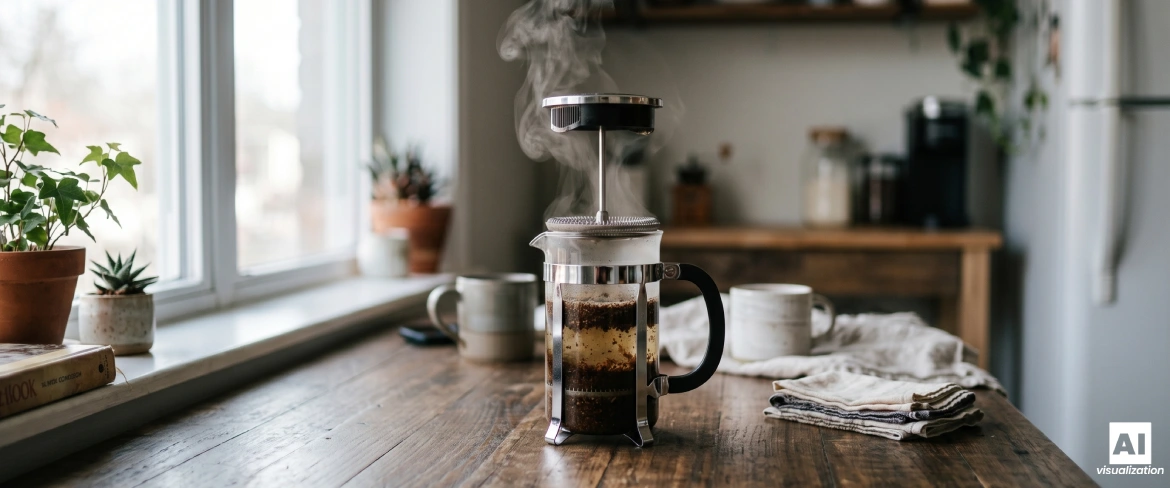
Once a plunger coffee maker becomes part of your kitchen routine, the next question is: how to use a French press correctly? The process is wonderfully satisfying and can become a relaxing morning ritual. Below, you will find a comprehensive guide to brewing coffee from a French press, helping you avoid unwanted bitterness and bring out the finest flavour notes in your beans.
What do you need to prepare coffee?
Before we explain how to make coffee in a brewer, let’s gather your essential home barista kit. The good news is that you do not need complicated laboratory equipment. To prepare an excellent brew, you will need:
- ✔️ a French press,
- ✔️ freshly roasted coffee beans and a grinder, or good-quality coarsely ground coffee,
- ✔️ hot water,
- ✔️ your favourite cup or an additional jug for decanting the finished brew.
A kitchen scale and timer are also useful, although not essential. They help you maintain consistent proportions and control the brewing time precisely – both are key to repeatable flavour in the world of specialty coffee.
How should you prepare the brewer before brewing?
Professional coffee brewing in a brewer begins before you add the grounds. The first, and often overlooked, step is to preheat the vessel. Pour a little hot water into the empty jug, gently swirl it around and then discard the water. This quick step warms the walls of the vessel and helps minimise heat loss during extraction. You should also check that the plunger and metal filter are perfectly clean and correctly assembled – traces of old grounds or rancid oils can compromise the sensory profile of even the finest beans.
How should you add water to the coffee?
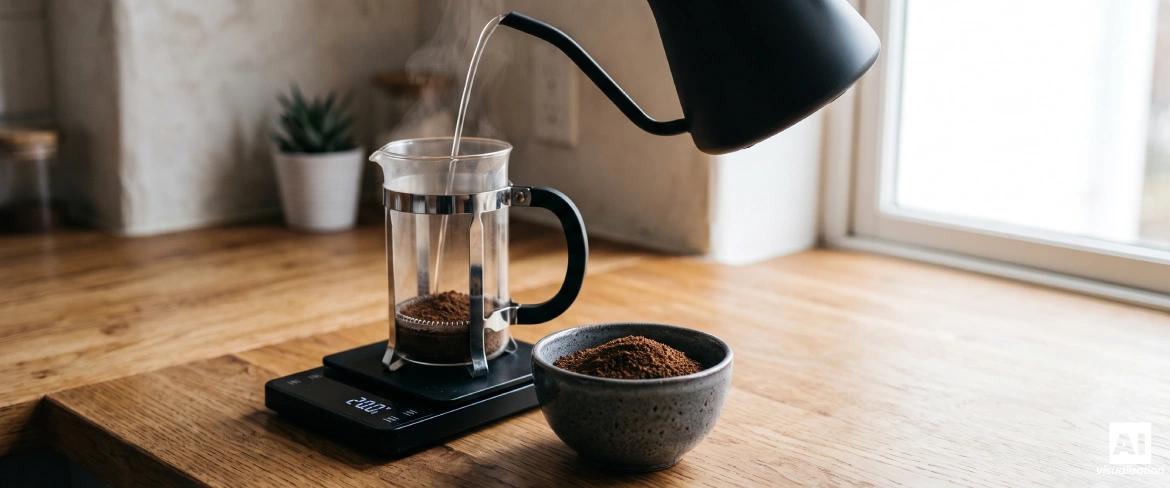
Add the measured amount of coarsely ground coffee to the warmed vessel. Then pour over water at approximately 92-96°C. Avoid using freshly boiling water straight from the kettle. The right temperature can usually be achieved by allowing the water to stand for around one to two minutes after boiling. Pour in an even stream, aiming to wet all the grounds thoroughly. Finally, give everything a gentle stir – preferably with a wooden or plastic spoon to avoid scratching the glass – so that no dry pockets of coffee remain.
How long should you brew the coffee?
When considering how to brew coffee in a French press, time is one of the key variables. A standard extraction takes around four minutes. This is generally enough time for the water to draw out a balanced amount of flavour, creating a rounded brew. Of course, experimentation is part of the pleasure of coffee: you can shorten or extend the brewing time slightly depending on your preferences. Bear in mind, however, that leaving the grounds immersed for too long will usually result in an unpleasant, astringent bitterness.
How should you lower the plunger correctly?
Once the four minutes are up, you reach the most recognisable stage of the process. Lower the plunger slowly and evenly, without applying excessive force. If you feel noticeable resistance, gently lift the mechanism by a fraction and continue pressing. Forcing the filter down quickly is the easiest way to agitate the grounds, increase the amount of sediment in the cup and, in extreme cases, cause hot coffee to spill across the worktop.
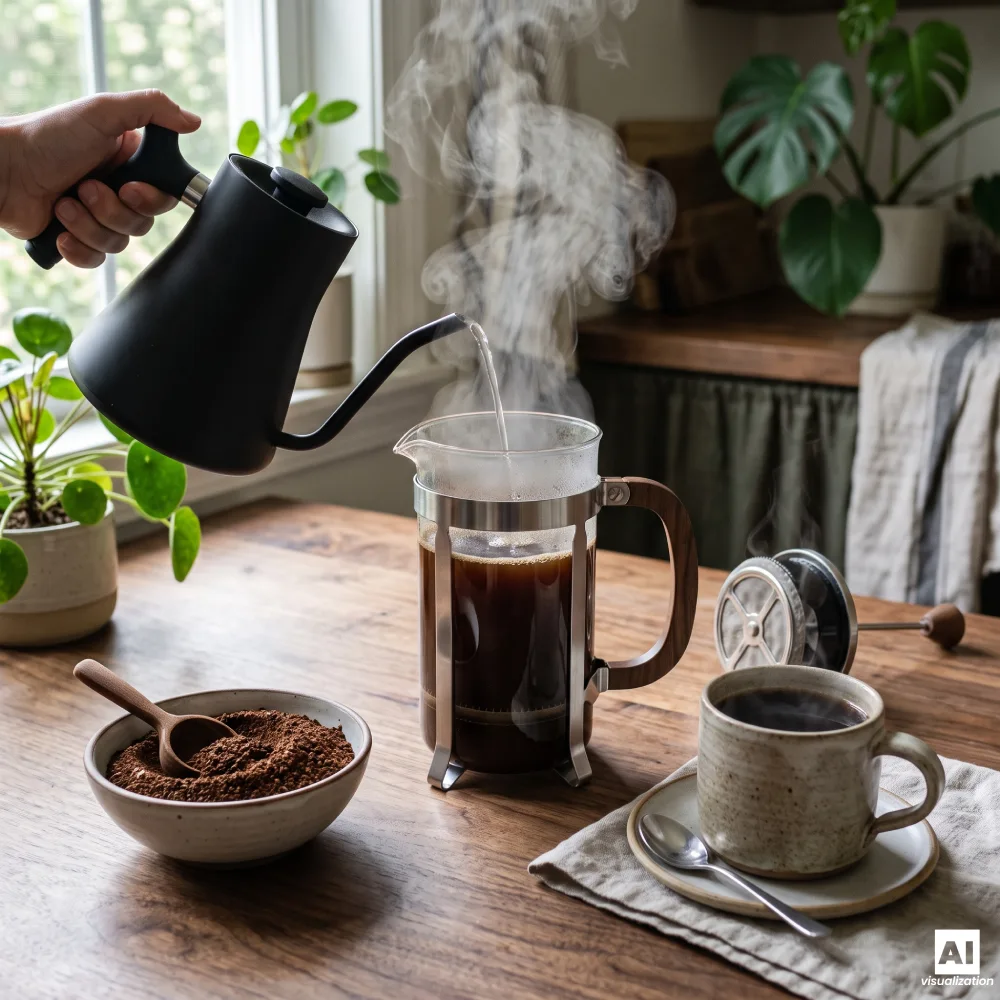
🎯 A quick summary of the French press brewing process
- Preheat the jug with hot water.
- Add coarsely ground coffee, pour over water at 92-96°C and stir gently.
- Allow the coffee to brew for four minutes.
- Lower the plunger slowly and gently, then decant the brew immediately.
French press – how do you brew delicious coffee?
You now know how to operate this classic device, but brewing coffee in a French press is a skill that depends on consistency. Wondering how to choose the right parameters so that every cup offers balance and sweetness? The secret lies in carefully controlling a few fundamental variables, which we can think of as a reliable brewing formula.
The most important starting point is the coffee-to-water ratio, commonly known as the brew ratio. The most versatile ratio is precisely 60 grams of ground coffee per 1 litre of water. In practice, this means using 30 grams of coffee when preparing a standard 500 ml batch. It is an excellent starting point. If you prefer a stronger brew with a more pronounced body, you can slightly increase the dose, for example to 65-70 g per litre. If you prefer a lighter, fruitier and more tea-like cup, simply reduce the amount of coffee.
Alongside the ratio, flavour is influenced by three other parameters: grind size, water temperature and brewing time. We have summarised them in a simple table to help you master this brewing method.
| Parameter | Recommended value | Impact on flavour |
|---|---|---|
| Ratio (coffee / water) | 60 g per 1 litre (1000 ml) | Determines the overall intensity and body of the brew. |
| Grind size | Coarse, similar to sea salt | A grind that is too fine can result in bitterness and sediment, while a grind that is too coarse may produce a flat, watery cup. |
| Water temperature | 92-96°C | Boiling water can lead to overly intense extraction, while water that is too cool may not draw out the coffee’s natural sweetness. |
| Extraction time | 4 minutes | A reliable starting point for balancing acidity, sweetness and a gentle, desirable bitterness. |
The table above provides an excellent starting point for achieving a consistent, balanced flavour. In the world of specialty coffee, however, these recommendations are best treated as an invitation to experiment at home. If your cup lacks intensity, try a slightly finer grind or extend the brewing time by a few seconds. If an unpleasant astringency begins to dominate, a coarser grind or slightly cooler water can help restore the desired sweetness.
Once you have combined the right ratio with the appropriate brewing time and successfully completed the extraction, all that remains is the final stage – gently lowering the plunger. This is when the rich, aromatic liquid is mechanically separated from the brewed grounds. It is also the moment to stay particularly attentive, as even a carefully prepared brew can lose its appeal through one small oversight.
⚠️ The barista’s golden rule: decant immediately!
This is a crucial tip that many newcomers to coffee overlook. Lowering the plunger does not stop extraction completely. The grounds trapped at the bottom of the jug remain in contact with the hot water. If you leave the brew in the French press for too long, extraction will continue and the flavour can become harsh and bitter. As soon as you have pressed the filter down, decant all the brewed coffee into cups or a separate serving jug.
Which coffee is best for a French press?
Even the most precise brewing technique and the finest equipment cannot disguise poor-quality coffee. The foundation of a successful brew is always freshly roasted coffee beans. Why does this matter? The aromatic compounds responsible for the most distinctive flavour notes are highly volatile. By grinding your beans immediately before adding water – using the coarse grind recommended earlier, similar to coarse sea salt – you can ensure that all this aromatic richness reaches your cup rather than fading away in the kitchen cupboard.
Another important consideration is the beans’ roast level and sensory profile. As a French press does not use a paper filter, it beautifully highlights the brew’s dense, syrupy body. This is why those who enjoy classic flavours often choose medium-roasted coffee. This level of roasting brings out notes of chocolate, toasted nuts and sweet caramel, creating a rounded, low-acidity brew that also pairs wonderfully with milk.
At the same time, this immersion brewer has plenty to offer fans of modern specialty coffee. Choose lightly or light-to-medium roasted beans (known as light or medium light) with fruity and floral aromas, and you can achieve a remarkably sweet brew. A French press gives citrus or berry notes a fuller, more pronounced structure than they would typically have when prepared using a standard pour-over brewer. To make your choice easier, we have selected two contrasting coffees from our artisan roastery, both of which work beautifully in this classic brewer.
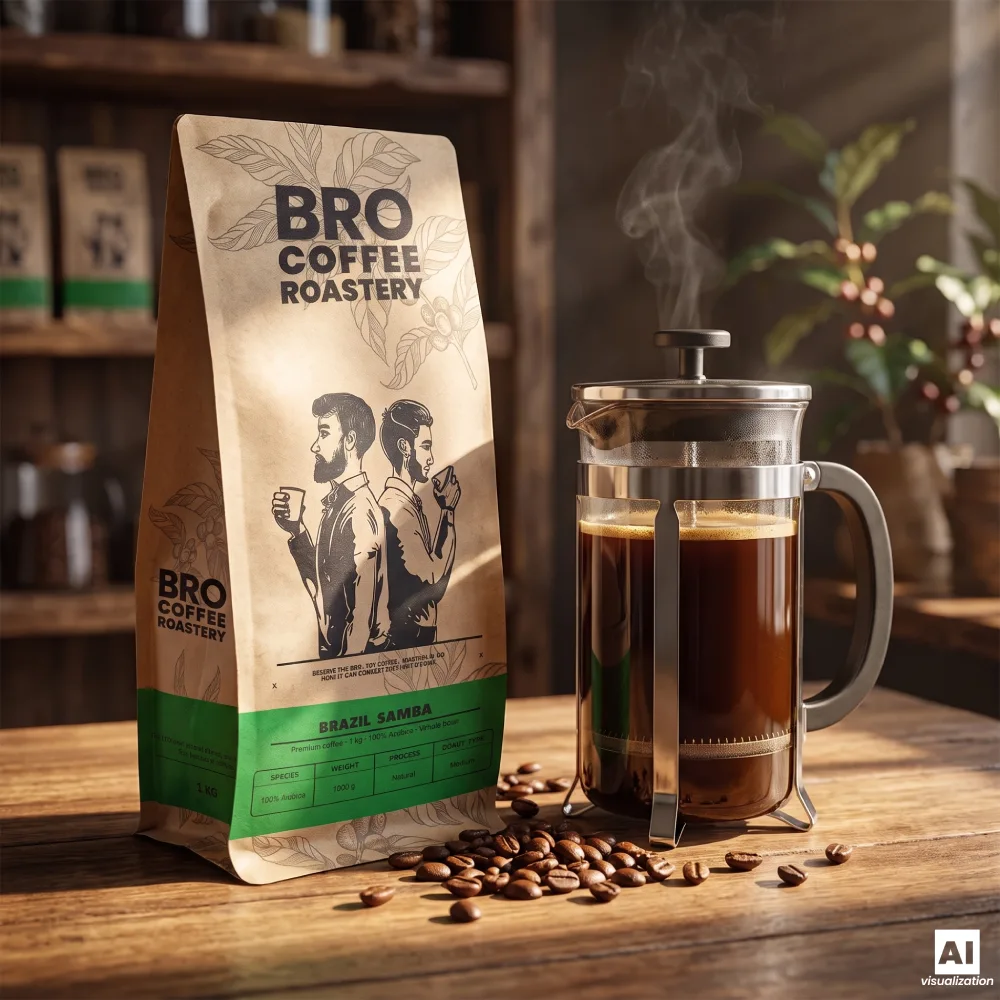
🍫 Classic harmony – Brazil Samba Premium
If you are looking for a dependable, versatile coffee for everyday drinking, this is an excellent choice. Bro Coffee Roastery Brazil Samba Premium is a balanced 100% Arabica coffee roasted to a versatile omniroast profile. It has gentle acidity alongside pronounced notes of milk chocolate and nuts. An excellent option for anyone who values a calm, sweet cup with a full body.
This coffee is a wonderful tribute to tradition, but the world of specialty coffee has much more to offer. If you are looking to broaden your flavour experience, the classic plunger brewer is equally well suited to experimenting with beans that have a bright, fruit-forward profile.
Brewing African coffees in a French press can be a particularly rewarding experience. Without a paper filter, delicate citrus and floral notes gain greater weight, while the brew itself becomes noticeably rounder and more syrupy. It is a very different sensory experience from a standard pour-over. To discover this contrast for yourself, look for a coffee with a more complex, tea-like character.
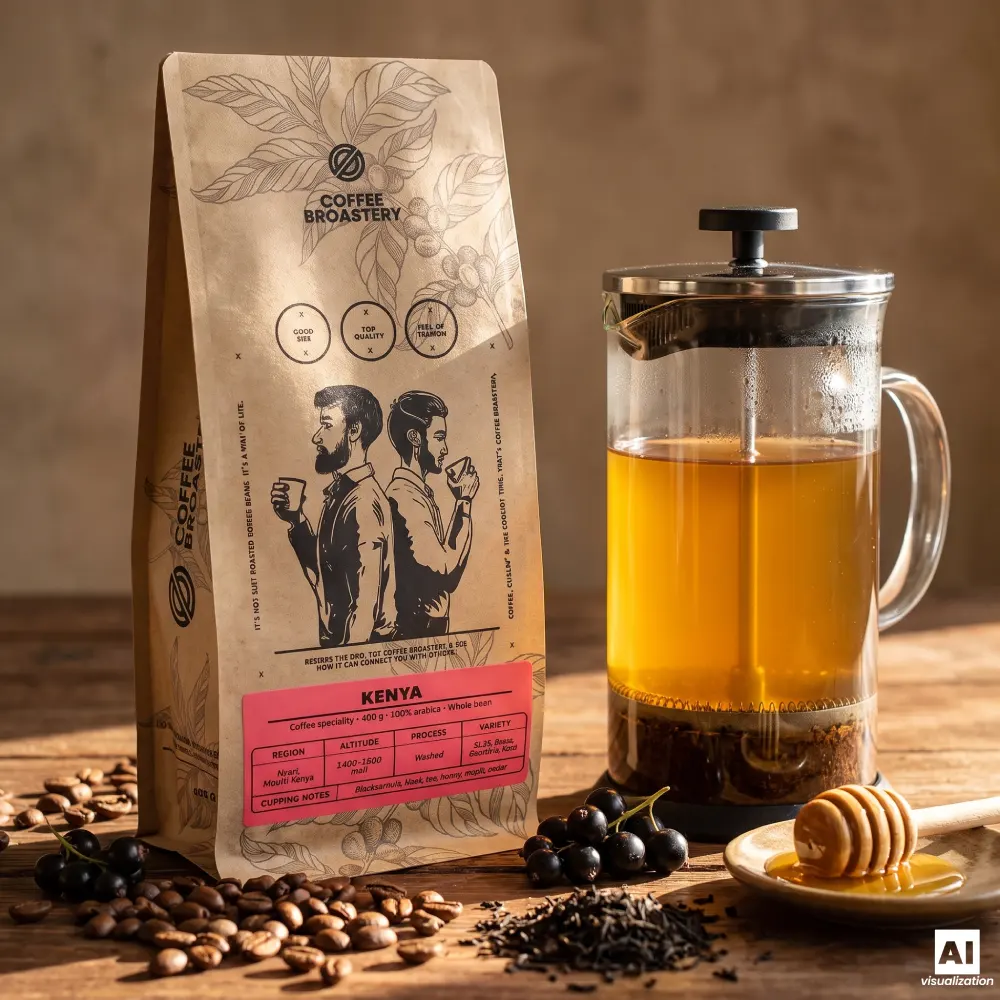
🍇 Fruity finesse – Kenya Nyeri Speciality
For those looking for a bright and intriguing cup, we recommend Bro Coffee Roastery Kenya Nyeri Speciality. Roasted to a medium light level, it offers remarkable aromatic complexity. The finished brew reveals distinct notes of blackcurrant, black tea and sweet honey. Prepared in a French press, it delivers a silky texture, pleasant fruity acidity and a refined, lingering finish.
Whether you prefer sweet, nutty flavours or refreshing citrus notes, choosing coffee is a very personal decision. We encourage you to explore different coffees and experiment – visit the “Coffee” category in our shop, where you will find a broad range of sensory profiles roasted in our artisan roastery. Once you have decided which flavours you would like to enjoy in your morning cup, we can move on to the final, practical question: how to choose the right equipment for your daily brewing ritual.
Which French press coffee maker should you choose?
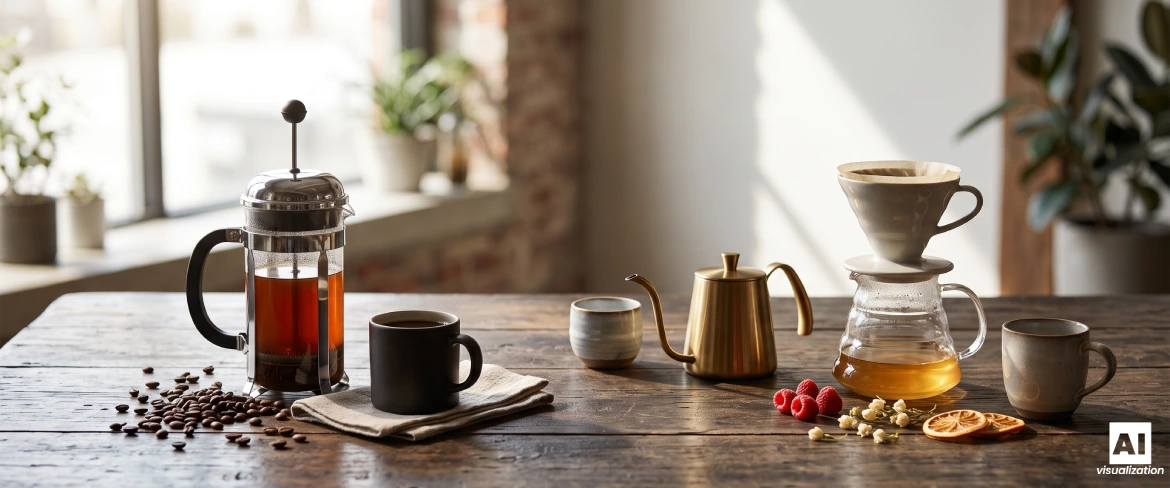
Now that you know how to prepare an excellent brew and have freshly roasted beans in your cupboard, only one question remains: which French press coffee maker should you choose? There are countless options on the market, but the key to finding the right one is matching the equipment to your own needs. The most important criteria to consider before buying are capacity, construction materials, the quality of the plunger and filter, and ease of cleaning. It is also worth thinking about where you will use it most often – will it be an elegant addition to your kitchen worktop, or a durable companion for travelling? Our shop offers carefully selected brewers to suit a range of preferences.
How should you choose the right capacity?
Capacity is one of the best places to start your search. Choose it according to the number of people you will be serving and the amount of coffee you usually prepare at one time. For one person who needs a single, smaller cup to start the day, a compact model with a capacity of around 350 ml should be ideal. For two people, or for anyone who enjoys two cups in succession, a slightly larger model offers a versatile middle ground.
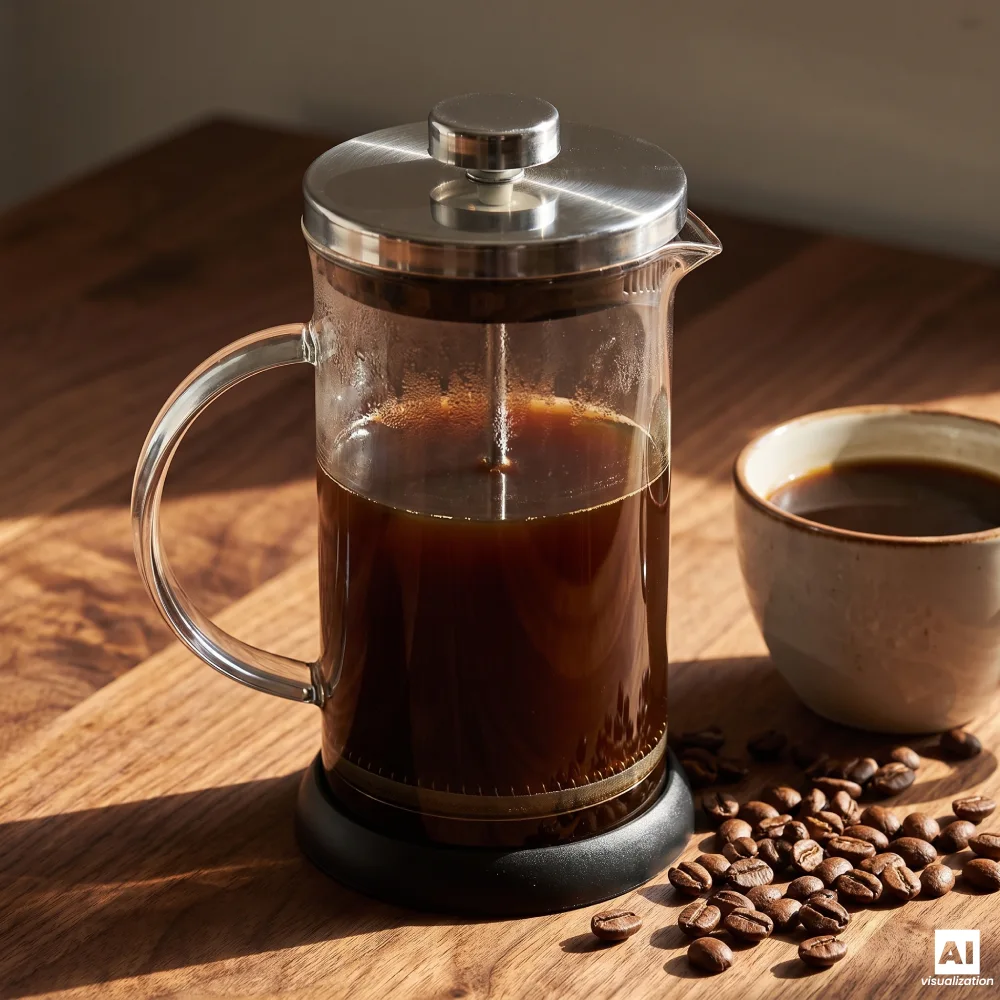
☕ The everyday all-rounder – 600 ml French Press
For those looking for a versatile option, we recommend the classic 600 ml French Press by Cebador. This elegant and sturdy brewer is made from heat-resistant glass and durable materials. Its intuitive design and practical capacity make it a natural fit for any kitchen, providing an ideal amount of coffee for one or two people.
But what if your kitchen is often a busy place, with coffee being served at family gatherings, relaxed weekends or office meetings? In that case, smaller capacities may simply not be enough. Trying to fit too many coffee grounds into a small jug can disrupt the proportions, while brewing several batches can become inconvenient. In these situations, it makes sense to choose a larger vessel from the outset.
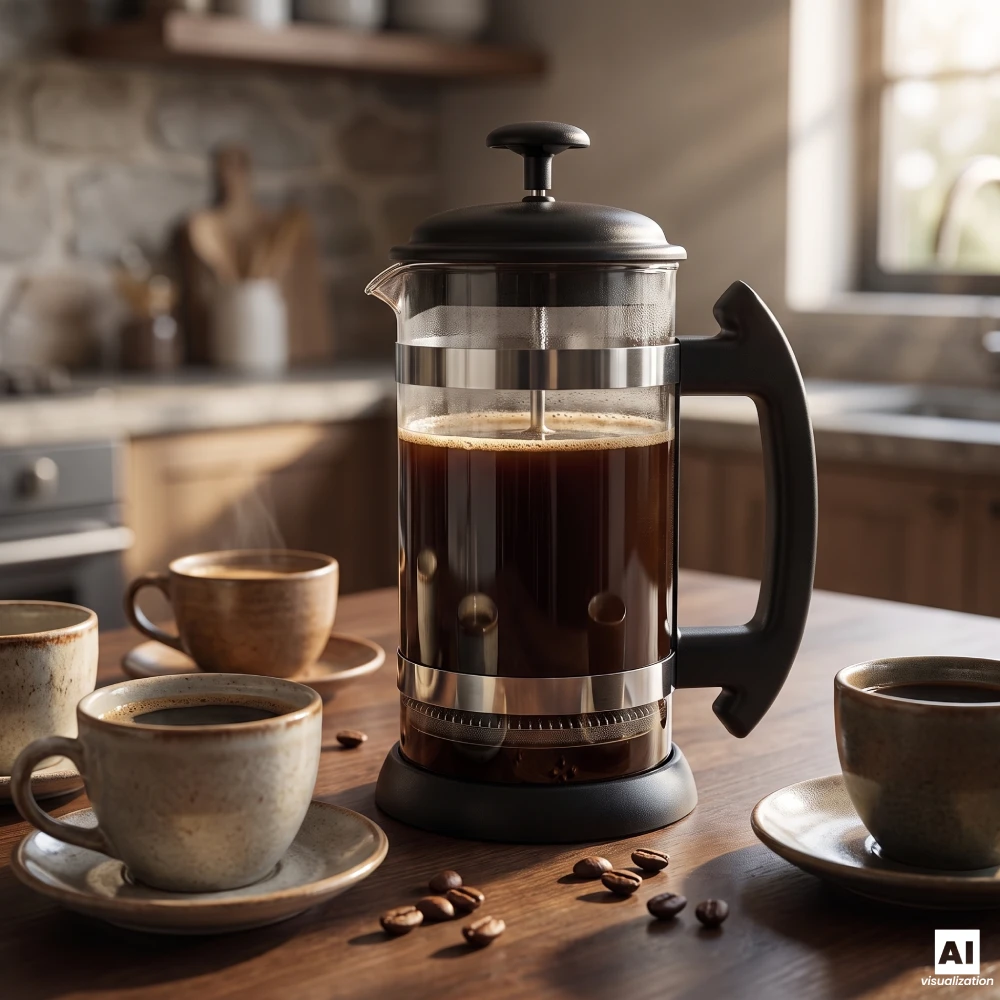
🤝 For home and the office – 1000 ml French Press
If you value generous capacity, the 1000 ml French Press is an excellent choice. It shares the same elegant design and high standard of construction as its smaller counterpart. This capacity ensures that, whether you are having breakfast or meeting with a larger group, there will be plenty of rich, flavoursome coffee for everyone.
Glass or stainless-steel coffee brewer?
Once you have settled on the right capacity, it is time to consider the materials. Which option will work better for you – glass or stainless steel? Each has its own advantages. Glass vessels are visually striking and ideal for anyone who enjoys watching the brewing process as the ground coffee meets the water. The ability to observe the extraction adds to the pleasure of the ritual. A fine example of high-end design is the exclusive Hario 7 300 ml French Press, available in our shop. This Japanese model combines minimalist elegance with a precisely operating plunger and carefully selected materials, making it a refined choice for discerning coffee drinkers.
Stainless-steel models offer a different set of advantages. Their greatest strength is exceptional durability, as they are not vulnerable to shattering if accidentally knocked or dropped. What is more, double-walled steel construction often works in a similar way to a thermos, helping the brewed coffee retain its preferred temperature for longer. This is a practical option for anyone who appreciates durability and an understated, industrial aesthetic.
And what if you are always on the move, and traditional jugs do not quite fit your daily routine? There is another intriguing option in the world of coffee accessories that is well worth considering.
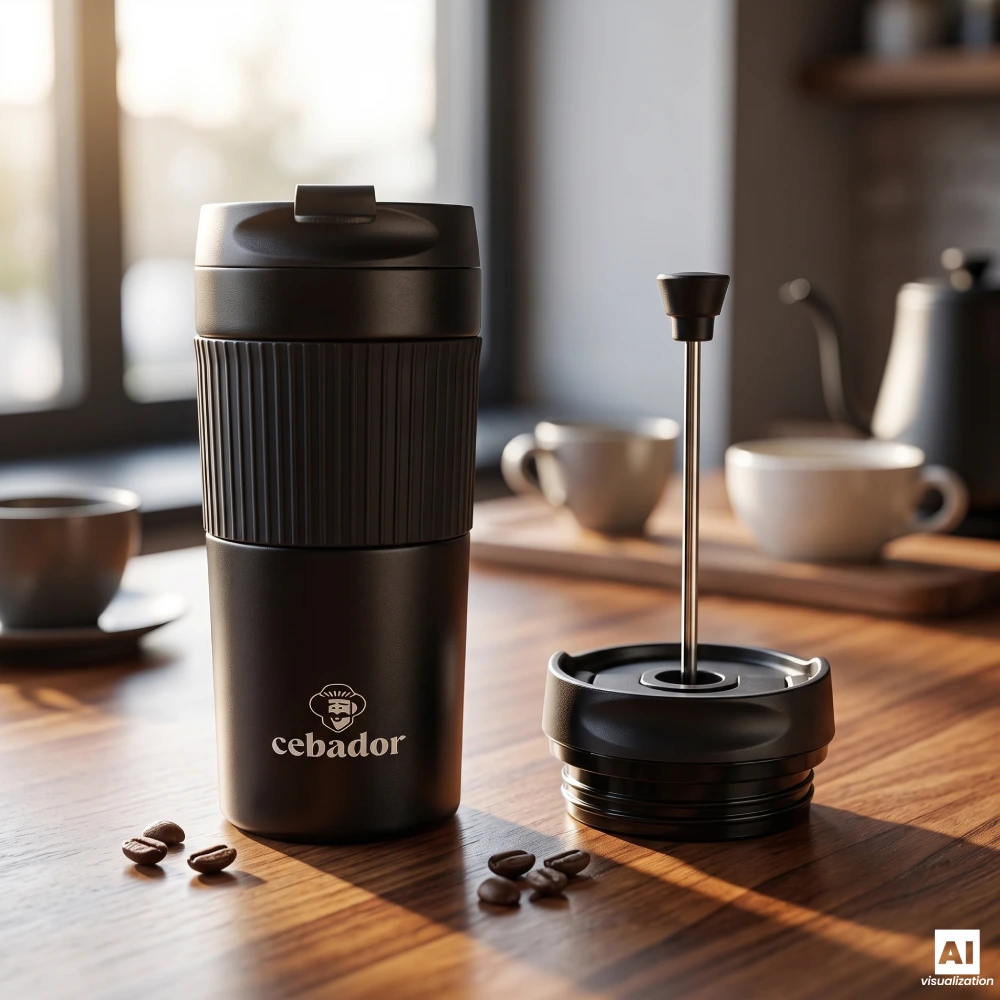
🚀 Coffee on the go – Cup Press Travel Mug
For keen walkers and anyone who is always on the move, we recommend the innovative 400 ml Cup Press Travel Mug. From the outside, it resembles a standard insulated mug, but its lid contains a professional plunger with a steel mesh filter. Brew and drink without decanting! Add the coffee grounds, pour in hot water, lower the plunger and enjoy. Thanks to its thermal insulation and silicone grip, you can experience the depth of immersion brewing wherever you go.
What else can you use a coffee brewer for?
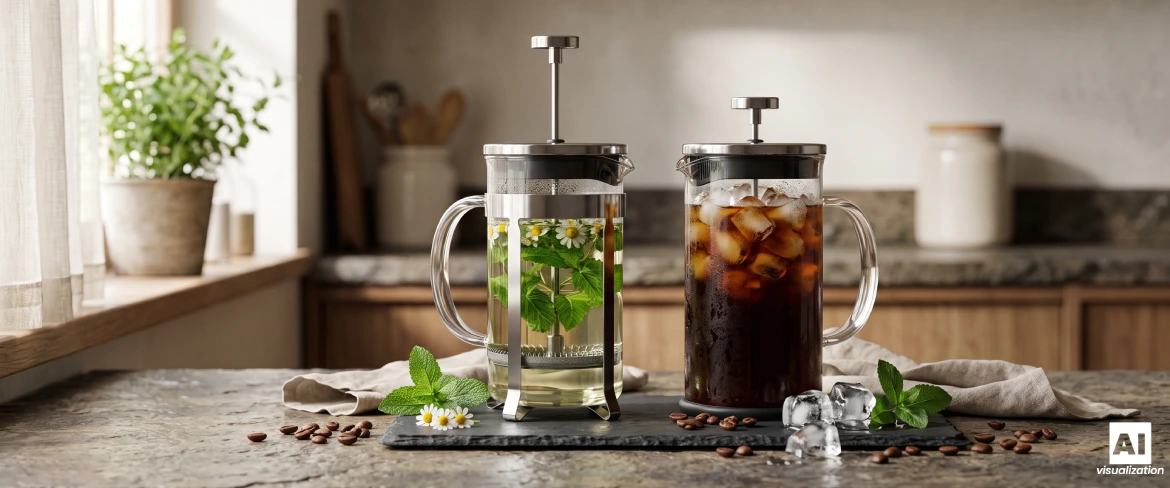
Although its name and original purpose are closely associated with coffee, a classic plunger brewer has much more to offer. Thanks to its simple design, based on immersion and mechanical filtration, it can also function as a versatile vessel for preparing a range of other drinks. From delicate tea leaves and herbs to refreshing cold infusions, here are some of the ways you can use it in your kitchen.
A tea infuser
Thanks to its generous capacity and convenient system for separating leaves from the liquid, a French press works remarkably well as a tea infuser. Tea leaves need plenty of room to unfurl and release their natural aroma, and the wide, cylindrical vessel provides ideal conditions for this. The plunger holds the leaves at the bottom, allowing you to prepare a clean, clear infusion without unwanted particles. Just remember, as with coffee, to adjust the water temperature and brewing time to the type of tea:
- ✔️ green and white tea – use slightly cooler water, usually around 70-80°C, and brew for a shorter time of approximately 2-3 minutes,
- ✔️ black tea and oolong – require hotter water, around 90-95°C, and a slightly longer brewing time, usually 3-5 minutes.
An herb infuser
Anyone who enjoys natural infusions will appreciate the fact that this device also works well as an herb infuser. Fresh mint, soothing lemon balm, chamomile and bespoke herbal blends can all be prepared with ease. There is, however, one important detail that should not be overlooked.
⚠️ Remember to clean it thoroughly!
Herbs and some flavoured teas contain highly aromatic essential oils. If you do not clean the jug and steel mesh thoroughly after preparing them, an intense aroma, such as mint or lemongrass, can easily carry over into your next morning coffee. To remove persistent aromas, disassemble the filtering mechanism, wash each part carefully and rinse everything thoroughly with hot water.
Preparing cold brew in a French press
Who says a French press is only for hot coffee? This vessel is perfectly suited to preparing refreshing cold brew – coffee slowly infused with cold water. The process is wonderfully simple and requires neither disposable paper filters nor specialist equipment. The result is a silky, smooth drink with natural sweetness and very low perceived acidity.
How do you prepare cold brew in a French press? Add very coarsely ground coffee to the bottom of the vessel, using a ratio of around 6-7 grams per 100 ml of water. Pour over cool, filtered water and stir thoroughly. Place the lid on top without lowering the plunger, then put the jug in the fridge for 12 to 16 hours. After that time, slowly press down the filter and pour the finished cold brew over ice.
How to clean a French press?
Regular, thorough cleaning is essential, although it is often forgotten during the morning rush. Even the finest freshly roasted specialty coffee can lose its appeal if it is brewed in a vessel carrying traces of old, rancid oils. Fortunately, keeping your French press coffee maker in excellent condition for years and preserving the clean flavour of every brew requires little more than a simple cleaning routine.
It is best to clean the vessel once it has cooled slightly, helping to avoid thermal shock to the glass. Proper maintenance takes just a few simple steps:
- ✔️ Remove the coffee grounds – use a wooden or silicone spatula to lift the wet grounds from the bottom of the jug. These tools are gentle and help prevent tiny scratches on the glass.
- ✔️ Rinse and wash the jug – rinse the empty vessel thoroughly with warm water. Then wash it with a soft sponge and a small amount of mild washing-up liquid, before leaving it to dry completely.
- ✔️ Clean the plunger and filter – this is the most important stage. Thick brewed coffee passes through the metal mesh, while fine particles and oils can become trapped in its openings. Rinse the plunger under a strong stream of running water after every use. Every few days, it is also worth taking the filtering mechanism apart completely – usually by unscrewing the lower fixing screw – so that every layer can be cleaned thoroughly.
❌ An important rule: take care of your drain!
It may be tempting to rinse the grounds away directly under the tap, but never dispose of coffee grounds down the sink. Wet, ground coffee mixed with water and oils can form a dense mass that settles on the inside of the pipes and may block the drain surprisingly quickly. Always dispose of the contents of the jug in the appropriate food-waste bin, in line with local recycling rules. Used coffee grounds can also be added to compost or mixed with other organic material before being used in the garden.
The most common mistakes when brewing coffee in a brewer
In theory, a brewer is one of the simplest coffee-brewing accessories, but in practice it is easy to make small mistakes that can spoil the flavour of your morning cup. If you have just bought your first brewer and are wondering how to use a French press without making the most common mistakes, we have gathered the main pitfalls below, together with simple ways to correct them.
- ❌ Grinding the coffee too finely – this is one of the main mistakes. If you grind the beans into a powder, as you would for traditional espresso, the metal mesh will not be able to retain them properly. The result may be unpleasant, bitter sediment in the cup, while lowering the plunger will require considerable force. Solution: Always use a coarse grind, with particles similar in size and texture to crystals of sea salt.
- ❌ Using boiling water – freshly boiled water can lead to overly intense extraction, masking the coffee’s natural sweetness and creating a flat, astringent bitterness. Solution: After boiling the water, wait around one to two minutes for its temperature to fall to the recommended range of 92-96°C.
- ❌ Brewing by eye and using the wrong proportions – adding coffee without weighing it and pouring in an unmeasured amount of water makes the result unpredictable. The brew may be too watery or overwhelmingly strong. Solution: Use kitchen scales and start with the recommended ratio of approximately 60 g of coffee per 1 litre of water.
- ❌ Brewing for too long – if extraction continues for eight or ten minutes instead of the recommended four, the coffee can become heavy, unbalanced and astringent as a result of over-extraction. Solution: Set a timer or use the timer on your phone as soon as you pour water over the grounds.
- ❌ Lowering the plunger too quickly – forcing the filter down in a hurry agitates the brewed grounds. They may rise above the filtering layer, leaving excessive sediment in the cup and, in the worst case, causing hot coffee to spill across the worktop. Solution: Lower the plunger very slowly, using one smooth, even movement. If you feel resistance, gently raise the mechanism and try again.
⚠️ Remember to decant the brew promptly!
Even if you measure the coffee and water perfectly and avoid all the mistakes above, your efforts can still be undermined if you leave the coffee in the jug for several minutes after lowering the plunger. The grounds trapped at the bottom remain in contact with the hot water, so extraction continues. As soon as you press the filter down, decant the finished brew into cups or a separate serving vessel.
Manual brewing with a French press is a wonderful introduction to the wider world of specialty coffee. This intuitive device teaches patience, encourages you to experiment with different bean profiles and allows you to enjoy a rich, satisfying brew at home. Whether you are putting together your first home coffee set or looking for an elegant, practical solution for the office, a French press is a simple addition that can transform your daily coffee ritual.
Choose your favourite beans, pour in the hot water and let the magic of immersion brewing work its way into your cup – enjoy!
FAQ – frequently asked questions about French presses
1. Which coffee should you choose for a French press?
The key to an excellent brew is always freshly roasted coffee beans, ground just before brewing. If you enjoy rich chocolate and nut flavours with low acidity, choose a medium-roasted Arabica, such as a classic Brazilian profile. If you prefer refreshing fruit and floral aromas, try lightly or medium-light roasted African beans, such as a coffee from Kenya.
2. How much coffee should you put in a French press?
Using kitchen scales is the best way to achieve consistent results with both pour-over and immersion brewing. The most versatile ratio is 60 grams of ground coffee per 1 litre of water. For a standard 500 ml French press, this means starting with 30 grams of coffee. You can adjust the ratio according to your preferred brew strength.
3. Can a French press make coffee without sediment?
A French press uses a metal mesh filter rather than a disposable paper filter. It effectively catches larger particles, but it cannot remove all the finest coffee fines. A small amount of dense sediment at the bottom of the cup is therefore perfectly normal. If you prefer a completely clear brew without sediment, pour the coffee from the French press through an additional paper filter.
4. Is coffee from a French press strong?
It is certainly pronounced, with a rich, almost syrupy body. The metal filter allows more natural coffee oils into the brew, making it feel fuller and more intense than a delicate pour-over or traditional filter coffee. The caffeine content, however, depends mainly on the coffee variety, the amount of coffee used and the size of the serving, rather than on the brew’s texture alone.
5. How long can you leave coffee in a French press?
The recommended extraction time is around four minutes. Once this time has passed and you have lowered the plunger, decant the entire brew into cups or a separate serving jug straight away. Leaving the coffee above the grounds at the bottom of the vessel means extraction will continue, making the finished drink excessively bitter and astringent.
6. How coarsely should you grind coffee for a plunger brewer?
Coffee for this brewer should always be ground very coarsely, with particles resembling large crystals of sea salt. A grind that is too fine can pass through the metal mesh and leave muddy sediment in the cup, while also making the plunger unnecessarily difficult to press down.
7. Can you froth milk in a French press?
Yes. This is a useful trick for creating smooth, velvety milk foam at home. Pour heated milk, ideally around 60-65°C, into a clean French press and move the plunger up and down energetically for several seconds. The fine mesh will aerate the milk, creating a smooth, sweet microfoam that can even be used for simple latte art. Clean the French press thoroughly before using it to brew coffee again.
Recommended
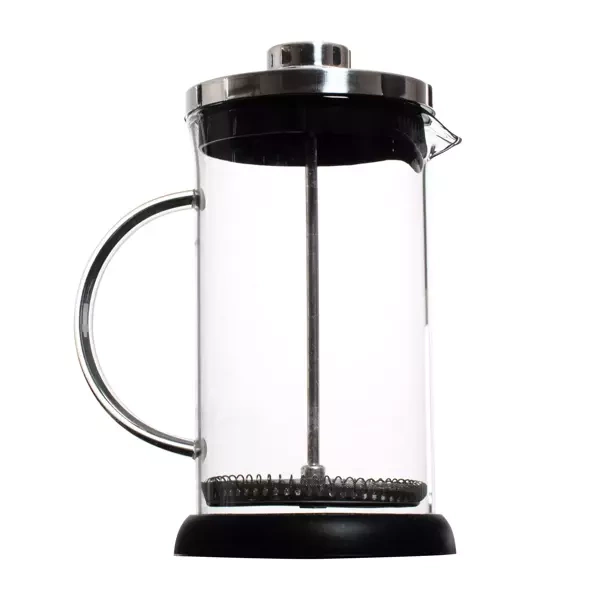
French Press 600ml
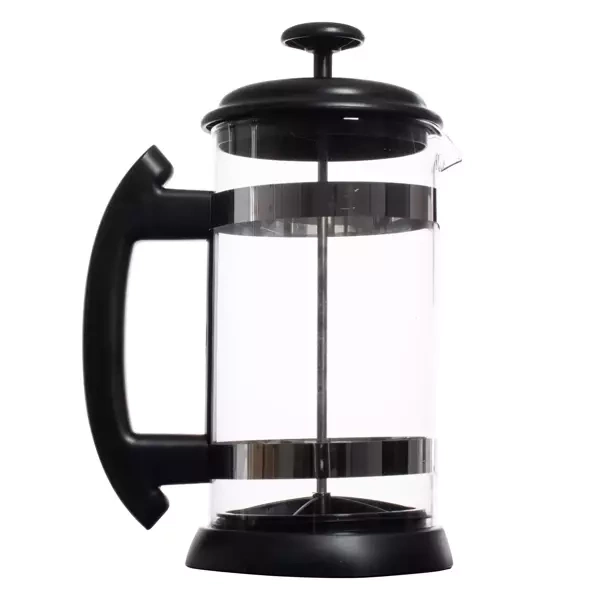
French Press 1000ml
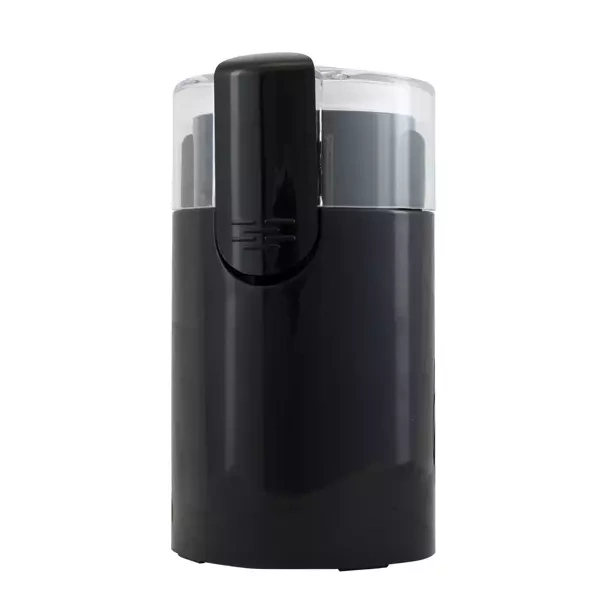
Electric coffee grinder 150W
