
Espresso tonic – a refreshing coffee with tonic recipe

When summer afternoons become truly scorching and your body is craving a proper caffeine boost, a classic hot brew often gives way to cooler alternatives. That is when espresso tonic comes into its own – a wonderfully sparkling, refreshing and intriguingly flavourful drink that has been taking summer café menus around the world by storm.
This simple yet brilliant coffee with tonic is ideal for anyone looking for an alternative to rich, milky coffee desserts. Best of all, you do not need to visit a professional café to enjoy its layered flavour at home. Try our reliable espresso tonic recipe and discover how easy it is to prepare this striking coffee tonic at home, with the quality you would expect from the finest speciality coffee shops.
Table of contents:
- What is espresso tonic?
- Espresso tonic – step-by-step recipe
- How to make the perfect coffee with tonic?
- Different types of espresso tonic
What is espresso tonic?
In the simplest terms, espresso with tonic is a refreshing, non-alcoholic coffee drink made from just three essential components: an intense coffee extraction, quality tonic water and plenty of ice. What makes it so distinctive is its unexpected yet beautifully balanced combination of flavours. On one side, there is the depth of carefully selected coffee beans; on the other, the sparkling, wonderfully refreshing character of a chilled mixer. To bring out the drink’s full aromatic potential, choosing the right coffee is essential. Freshly roasted speciality beans can take your homemade drink to an entirely new level, allowing their finest qualities to shine through.
Where does coffee and tonic come from?
Although it is now a summer favourite served everywhere from New York to Tokyo, this drink’s history is not as long as you might expect. The original coffee and tonic recipe is based on an ingenious Swedish creation, first developed in 2007 in Helsingborg at Koppi Roasters, a café and coffee roastery.
According to the story, some tonic water and a little syrup were left over after a staff gathering. One of the team decided to combine them with a chilled coffee brew. The result was so successful that the proportions were refined and the intriguing drink was added to the official menu as Kaffe & Tonic. Later, international barista competitions helped the recipe cross the Atlantic and gain worldwide popularity.
💡 Did you know? Have you ever wondered why the dark coffee sits on the surface, creating such photogenic layers? It is all down to physics. The layered effect is mainly caused by differences in temperature and liquid density, combined with the right pouring technique. Chilled tonic water settles at the bottom, while espresso poured slowly over an ice cube can form a darker layer on the surface. Once stirred, the visual effect disappears, but the drink develops a more uniform flavour.
What does espresso tonic taste like?
If you are wondering whether coffee tonic is the right combination for you, imagine a fascinating interplay of contrasts in a single glass. The coffee’s natural acidity and fruity flavour profile beautifully cut through the tonic’s sweet-bitter, herbal character. Every sip brings a sparkling sense of refreshment, with a delicate quinine bitterness blending smoothly into the intensity of the coffee.
This is a light, vibrant and invigorating drink. Refreshing coffee with tonic has the advantage of avoiding excessive sweetness, making it an excellent alternative to the rich iced drinks often served with whipped cream. All you need is a few quality ingredients and a proven espresso tonic recipe to bring a taste of speciality coffee culture into your own kitchen in just a few moments.

Espresso tonic – step-by-step recipe
You already know why this drink is so distinctive and how it achieved global popularity. Now it is time to put that knowledge into practice. Below, you will find a reliable espresso tonic recipe that will help you create a little café magic in your own kitchen.
Ingredients for coffee with tonic
The key to achieving an outstanding flavour profile lies in using high-quality ingredients. To prepare one refreshing serving, you will need just a few components:
- ✔️ Double espresso (approximately 40–50 ml) – preferably brewed with freshly roasted beans offering subtle, fruity notes. If you do not have a professional espresso machine, a concentrated brew from a moka pot is also an excellent base. Wondering how to prepare it correctly? Be sure to read our guide: How to make coffee in a moka pot? A practical guide to the perfect moka pot coffee!
- ✔️ Tonic water (approximately 120–150 ml) – choose a good-quality classic tonic or one with a reduced sugar content. It should be thoroughly chilled before you prepare the drink.
- ✔️ Ice – use plenty. The larger and denser the ice cubes, the more slowly they will dilute your coffee and tonic.
- ✔️ Garnish (decoration) – a thin slice of lemon, lime or juicy orange, or a sprig of fresh rosemary to complement the aroma.
How to make espresso tonic – preparation
Preparing this sparkling drink is quick and remarkably simple, but it is essential to follow the correct order of steps. This is the most important technical rule when making coffee and tonic. If you add the ingredients in reverse order and pour the carbonated drink directly into the hot coffee, the mixture may foam rapidly and spill over the glass, ruining the effect.
A little patience is the key to success. See how easily the perfect coffee with tonic comes together. The recipe below will guide you through each step.

☕ Espresso tonic recipe – step by step
- Prepare the glass and ice: fill a tall glass, such as a highball, with ice cubes right to the top.
- Pour in the tonic: measure out the chilled tonic water and pour it over the ice, leaving a little room at the top of the glass. Add a slice of your chosen citrus fruit.
- Brew the coffee: prepare a concentrated double espresso.
- Combine with precision: pour the coffee into the glass very gently and in a slow, steady stream, aiming directly at one of the ice cubes protruding above the surface.
If you follow this technique and pour the coffee over an ice cube, it will settle at the top, creating a striking dark layer above the bright, sparkling base. This visual effect is one of the defining features of the drink and is difficult to ignore.
Remember, however, that the distinct layers are mainly there to create a visual impression before tasting. To fully appreciate the balanced flavour, in which sweetness, bitterness and acidity come together harmoniously, stir the drink thoroughly with a long bar spoon or a straw before taking the first sip.
Ideal espresso-to-tonic proportions
Many baristas find that the most balanced and repeatable results come from the golden ratio of 1:3 – one part coffee to three parts tonic water. In practice, this means approximately 40–50 ml of double espresso combined with 120–150 ml of carbonated mixer.
These proportions are not strict rules. If you prefer a stronger caffeine hit and a more pronounced coffee flavour, reduce the amount of tonic water. If you prefer a gentler, particularly refreshing drink, adding a little more tonic will make your espresso with tonic lighter and more approachable. Experiment with the quantities until you find your ideal summer balance.

How to make the perfect coffee with tonic?
The recipe itself is wonderfully simple, but in the world of speciality coffee, it is the finer details that determine the final result. Choosing the right beans, selecting quality tonic water and paying attention to temperature are the three foundations of a perfect espresso with tonic. Discover tried-and-tested tips that will help your homemade drink match the quality of those served by professional baristas.
Which espresso should you choose for espresso tonic?
Choosing the right beans is a key decision that will shape the character of the entire drink. For refreshing summer combinations, baristas often recommend light- to medium-roasted coffees from Africa, such as Ethiopia or Kenya. These coffees are known for their vibrant acidity and refreshing fruity and floral notes. If you prefer more classic, rounded flavours, South American arabica works equally well, creating a rich and exceptionally enjoyable profile alongside the quinine bitterness of tonic water.

☕ Our recommendation: Bro Coffee Roastery Brazil Samba
Looking for beans that deliver excellent balance? Bro Coffee Roastery Brazil Samba is freshly roasted, 100% arabica with a classic chocolate and nut flavour profile. Thanks to its medium roast (omniroast), this coffee offers pleasant, balanced acidity and medium body, making it well suited to almost any brewing method. Its rich flavour cuts beautifully through the tonic’s bitterness.
Which tonic water pairs best?
Even the finest coffee will not save the drink if you combine it with a poor-quality, artificially sweetened soft drink. When choosing your ingredients, look for premium options. These often offer a more refined botanical profile and a well-balanced level of sweetness. Excessive sugar in cheaper products can easily overpower and obscure the delicate notes of high-quality coffee beans.
A classic, dry tonic water is always a safe and reliable choice. There is nothing to stop you from experimenting, however. The market also includes excellent botanical versions, for example with elderflower, Mediterranean herbs or refreshing citrus notes. An aromatised coffee and tonic is a wonderful way to explore completely new dimensions of summer refreshment.
Ice, temperature and the layered effect in coffee with tonic
For homemade coffee tonic to impress both in flavour and appearance, you need to pay attention to temperature. The colder the glass and the carbonated drink, the lower the risk of excessive, sudden foaming when the hot coffee is poured in. Plenty of ice, preferably in the form of large, solid cubes, is absolutely essential. It not only chills the drink and helps prevent rapid dilution, but also acts as a natural barrier for the espresso, making it easier to keep the two components precisely separated.
📌 Summary: How can you create and maintain the perfect layered effect?
- ✔️ A solid base: Fill the glass with ice right to the top.
- ✔️ The right temperature: Use tonic water that is thoroughly chilled to minimise thermal shock.
- ✔️ Precise technique: Pour the coffee slowly in a very thin stream, aiming at an ice cube protruding above the surface of the liquid.

Different types of espresso tonic
The classic recipe is just the beginning of a fascinating world of coffee experiments. Once you have mastered the basics, it is worth treating the original recipe as a canvas for creating your own unique combinations. Espresso with tonic offers plenty of scope for experimentation, and its flavour profile can easily be adapted with a few natural, readily available ingredients. Discover our favourite variations, which are sure to impress your guests during summer gatherings.
Iced coffee with tonic and citrus
If you are looking for maximum refreshment, iced coffee with tonic and freshly squeezed juice is an excellent choice. Adding grapefruit juice, juicy orange juice or a little lime juice directly to the carbonated drink, before adding the coffee layer, creates an exceptionally refreshing combination. The natural fruity acidity of the citrus beautifully enhances the beans’ sensory profile, resulting in a layered drink with a distinctly summery character.
Espresso tonic with lime or orange
Sometimes, the simplest solutions create the most striking results. In cafés, a classic citrus twist is not merely an attractive garnish, but a genuine flavour component that helps shape the aroma. Simply add the right slice of fruit to the glass to subtly transform the character of the drink:
- ✔️ Orange – its sweet, rich aroma pairs beautifully with South American beans, bringing out harmonious notes of chocolate, nuts and caramel,
- ✔️ Lime and lemon – add a bright, refreshing tartness that works particularly well with lightly roasted African beans, highlighting their tea-like and floral profile.
💡 Barista tip: Before adding the citrus fruit to the glass, gently break or squeeze the peel over the surface of the drink. This releases aromatic essential oils, which reach your senses before you take the first sip.
Alcohol-free espresso tonic
It is worth remembering that coffee tonic is, by definition, an excellent speciality mocktail (an alcohol-free cocktail). Its herbal, bitter profile, shaped by quinine, can resemble the structure of classic mixed drinks, making it a sophisticated choice for evening gatherings.
To emphasise its elegant character, serve the coffee and tonic in a wide glass, such as a generously rounded gin glass. Add plenty of ice, a slice of dried grapefruit and a sprig of fresh rosemary, lightly toasted with a lighter to release its resinous aroma. This presentation is sure to appeal to anyone who appreciates refined flavours.
Preparing the perfect coffee cocktail at home does not require complicated equipment. All you need is a little care and a commitment to using high-quality ingredients. Experiment with the proportions, try beans with different roast levels and feel free to create your own refreshing combinations.
Ready for some barista-style experimentation? Choose your favourite coffee and enjoy the taste of a café-style summer at home.
FAQ – frequently asked questions about espresso tonic
1. How can I make espresso tonic without a coffee machine?
You do not need professional equipment to prepare this refreshing drink. A traditional moka pot or an AeroPress is an excellent alternative to an espresso machine. Simply brew a short, concentrated coffee and, if possible, allow it to cool slightly before slowly pouring it over the ice and tonic water.
2. Which tonic water is best for coffee with tonic?
The best choice is usually a premium tonic water with a balanced level of bitterness and a moderate sugar content. A classic, dry tonic allows the coffee’s fruity notes to shine, while cheaper, heavily sweetened alternatives can overpower and obscure the delicate flavour of the beans. You can also experiment with botanical tonics, for example those with elderflower or yuzu notes.
3. What is the best espresso-to-tonic ratio?
A good starting point for a balanced espresso tonic recipe is a 1:3 ratio – one part espresso to three parts carbonated mixer. In cafés, this usually means approximately 40–50 ml of double espresso and 120–150 ml of thoroughly chilled tonic water. These proportions are flexible, so feel free to adjust them to suit your taste.
4. Why does espresso tonic separate into layers, and how can I achieve this effect?
The striking effect of two contrasting layers is the result of physics and differences in liquid density. The sweet, carbonated drink is denser and heavier, so it remains at the bottom, while the lighter coffee extraction stays near the surface. To achieve this photogenic appearance at home, fill the glass with ice right to the top, then pour the coffee very slowly in a thin stream, aiming directly at one of the ice cubes protruding above the surface of the liquid.
5. Is iced coffee with tonic high in calories?
No. Classic coffee with tonic is a much lighter and more refreshing alternative to sweet iced drinks made with milk, syrups and whipped cream. The calorie content depends mainly on the tonic water you use – standard dry varieties typically contain around 30–40 kcal per 100 ml. If you want to reduce the calorie content as much as possible, you can use a zero or light tonic instead.
Recommended

Moka coffee pot 300ml
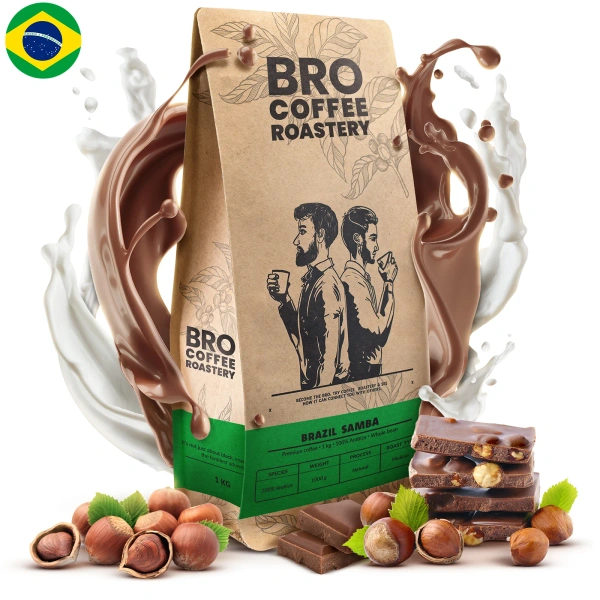
Bro Coffee Roastery – Whole Bean Coffee Brazil Samba Premium 1kg

Set of Bro Coffee Roastery Brazil Cerrado + Brazil Guaxupe 2x1kg (2kg)
