Café-style cappuccino – recipe, proportions and the secret to perfectly frothed milk

Imagine a morning when the aroma of freshly roasted beans fills your kitchen and you reach for a cup of perfectly brewed coffee topped with glossy, silky foam. Wondering how to recreate that café experience at home? Perfecting a cappuccino is not a matter of chance – it is an art of balance that any coffee lover can master.
The flavour and aroma of this iconic drink depend on three fundamental elements: an intense espresso, classic proportions and the right milk-frothing technique. However, every outstanding milk-based coffee begins with the highest-quality coffee. It sets the tone for the entire composition, cutting through the milk’s natural sweetness with notes of chocolate, nuts or caramel. In this guide, we will take you through the entire process of preparing this Italian classic step by step, so that every cup tastes as though it came from one of the finest cafés. You will also discover a reliable cappuccino recipe and learn how to make a cappuccino at home with confidence.
Table of contents:
- What is a cappuccino?
- Cappuccino – a step-by-step recipe
- Which cappuccino proportions should you choose?
- How to froth milk for a cappuccino?
- Which milk is best for a cappuccino?
- Which coffee is best for a cappuccino?
- What is the difference between a cappuccino and a latte?
- Cappuccino without an espresso machine – an alternative recipe
What is a cappuccino?
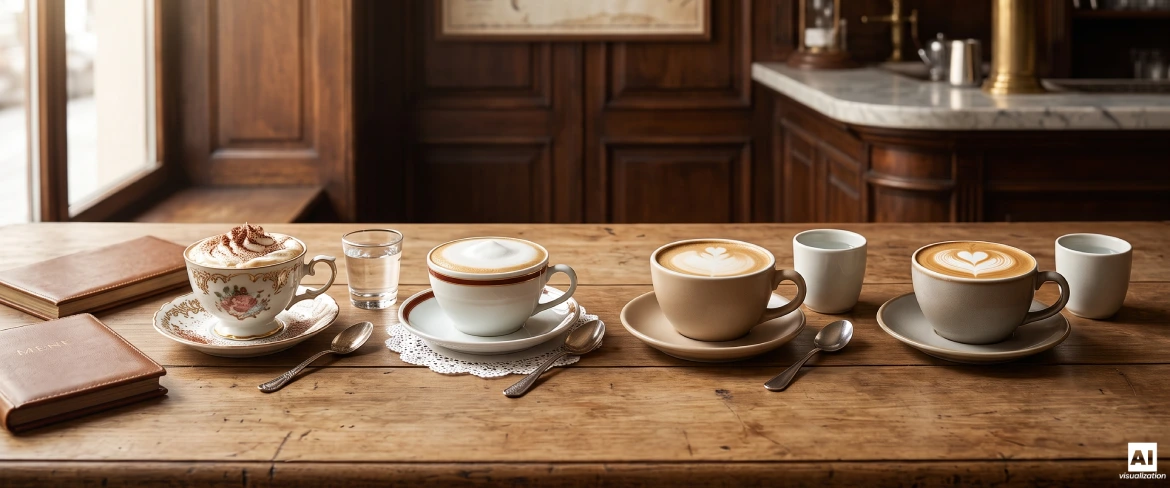
To fully understand how to make a cappuccino and achieve its impeccable flavour, it is worth first getting to know the drink itself. In the traditional café style, it is made with a single espresso, hot milk and a thick layer of expertly frothed milk foam. Its greatest strength lies in its perfect balance. On the one hand, it offers an intense, clearly defined roasted coffee profile; on the other, it wraps the palate in an exceptionally creamy, smooth texture. Many people searching online in a hurry type the word “cappucino” into the search bar, missing one letter along the way. Whatever the spelling, the goal remains the same: harmony of flavour captured in a small cup.
☕ Did you know? Where does the name of this famous drink come from? Although cappuccino is widely associated with Italy, its early predecessor was the Viennese Kapuziner – coffee served with whipped cream – which was already popular in the 18th century. The name itself refers directly to the Capuchin monks: once combined with milk, the drink’s brown colour closely resembled the shade of their traditional habits!
Classic cappuccino proportions
The foundation of a successful preparation is the so-called “rule of thirds”. A traditional cappuccino – even one prepared according to the standards of the Istituto Nazionale Espresso Italiano – is based on a simple division that is easy to remember. The finished drink should have a total volume of between 150 and no more than 180 ml. It is served in a fairly wide, rounded cup that has ideally been preheated.
| Ingredient | Approximate volume | Share of the drink |
|---|---|---|
| Espresso (coffee base) | approx. 25-30 ml | 1/3 of the cup |
| Steamed milk | approx. 60-70 ml | 1/3 of the cup |
| Milk microfoam | approx. 60-70 ml (after aeration) | 1/3 of the cup |
It is worth remembering that the values in the table represent a useful guideline for a traditional single serving. To achieve this composition, you would typically pour around 100-120 ml of cold milk into a stainless-steel pitcher. As steam from the espresso machine wand works through the liquid, its volume increases significantly while it develops the desired yoghurt-like consistency. The wide cup plays an important role here: its distinctive shape allows the dense foam to spread evenly across the surface, creating the perfect “canvas” for baristas practising latte art.
Cappuccino – a step-by-step recipe
Preparing an excellent milk-based coffee at home is a relaxing ritual that takes a little practice but offers immense satisfaction. Once you have mastered the fundamentals, you will quickly realise that recreating café-quality coffee is well within reach. Many people searching for the ideal method type phrases such as “cappucino how to make” or “cappucino recipe” into a search engine. We will focus on achieving perfection – not only in terms of spelling, but above all in terms of flavour! All you need is a reliable cappuccino recipe and a few key barista principles.
Below, we have prepared a comprehensive guide to take you through the brewing and milk-aeration process. It is the perfect foundation for giving your morning cup an entirely new dimension of flavour.

☕ Classic cappuccino recipe
1. Preparing the cup: Always begin by warming the cup. Fill it with hot water for a moment – this will help the drink maintain its ideal temperature and preserve the right foam texture for longer.
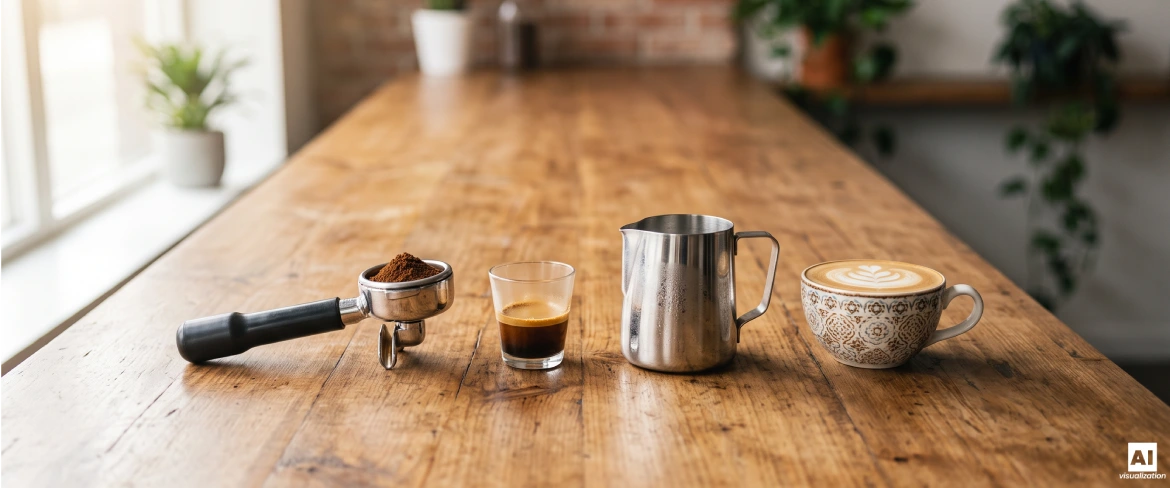
2. Extracting the espresso: Grind 7–9 grams of freshly roasted coffee finely. Brew an intense espresso of approximately 25–30 ml, aiming directly into the bottom of the rounded cup. The coffee should have a thick, hazelnut-coloured crema on the surface.
3. Frothing the milk: Pour approximately 100–120 ml of cold milk into a stainless-steel pitcher. Position the steam wand just below the surface of the liquid and aerate it until you achieve smooth microfoam. The ideal temperature for the frothed milk is no more than 60–65°C.
4. Combining the ingredients: Gently swirl the pitcher to even out the texture of the frothed milk. Pour it into the espresso in a smooth, dynamic motion, starting from a slightly greater height and finishing just above the surface to create a thick, airy layer of foam on top.
The instructions above form the foundation of the craft behind milk-based coffee drinks. However, remember that even the best technique cannot compensate for poor-quality ingredients.
It is the finer details that make all the difference. To fully control the brewing process and achieve the perfect flavour balance, it is worth taking a closer look at every element of the process – from selecting the ingredients and choosing the right equipment to mastering the precise details of using an espresso machine.
Ingredients needed to prepare a cappuccino
The classic Italian approach to this speciality is characterised by remarkable simplicity. You do not need a long shopping list to enjoy a drink of the highest quality. The foundation is carefully selected coffee beans – for one serving, you will typically need around 7–9 grams. You will also need fresh, properly filtered water that will not interfere with the coffee’s natural flavour profile.
The second essential element is, of course, milk. You will need approximately 100–120 ml to prepare a single cup. Traditionalists rarely add anything, believing that properly extracted coffee and the natural sweetness of steamed milk form a perfectly complete pairing. If you wish, however, you can finish your drink with a little unsweetened cocoa, a pinch of cinnamon or brown sugar, although the authentic recipe does not require any additions.
Equipment needed to prepare a cappuccino
The right accessories are half the success for any home barista. Although there are alternative ways to prepare the coffee base, the café standard requires a specific set of tools. Here is the essential equipment that will make it easier to create the perfect cup:
- ✔️ Espresso machine: Ideally a pump espresso machine, whether manual or a high-quality automatic model, equipped with an effective steam wand for frothing milk.
- ✔️ Burr grinder: Allows you to grind the beans precisely and evenly, which is absolutely essential for a successful espresso extraction.
- ✔️ Milk pitcher (pitcher): Made of stainless steel and fitted with a shaped pouring spout, it is essential for creating smooth microfoam and latte art.
- ✔️ Cappuccino cup: A rounded, wide cup with a capacity of 150–180 ml, made from a material that retains heat effectively.
💡 Good to know: If you are just beginning to explore milk aeration, an excellent optional accessory is a barista thermometer or a reliable handheld milk frother. Clipped to the edge of the pitcher, a thermometer will help prevent the milk from overheating, allowing you to identify the ideal temperature with precision.
How to make a cappuccino in an espresso machine?
If you are wondering how to make a cappuccino using a professional or domestic manual espresso machine, you need to focus on managing the entire process carefully. Begin by grinding the coffee thoroughly. The grounds should have a texture similar to fine table salt. Once you have dosed the coffee into the basket, level it and tamp it evenly with a tamper. Lock the portafilter into the brew group and start the extraction immediately. A well-prepared espresso should flow in a slow, continuous stream, with the brewing process taking approximately 25–30 seconds.
Once the coffee base is ready, move on to the milk. Before frothing, open the steam valve for a second to purge any water from the wand. Next, immerse the tip in the cold milk and begin the process, gradually introducing air into the pitcher. When the liquid starts to increase in volume, lower the wand slightly and create a steady whirlpool motion to break up larger bubbles. The final step is to pour the milk gently and smoothly into the espresso. Begin by pouring from a slightly greater height so that the milk blends properly with the coffee and lifts the glossy crema. Then bring the pitcher closer to the cup so that the smooth, dense foam settles neatly on top.
Which cappuccino proportions should you choose?
Earlier, we mentioned the famous “rule of thirds”, which forms the culinary foundation of this Italian classic. It is worth remembering, however, that contemporary speciality coffee culture allows for subtle adjustments. Coffee is, after all, a living product, and the ideal harmony between espresso intensity and milky smoothness is a matter of personal taste. You can – and should – adjust the proportions slightly depending on the capacity of your cup and the intensity you want to achieve in the finished drink.
How much espresso should a cappuccino contain?
The traditional barista approach calls for a single shot of espresso, or approximately 25–30 ml of a rich, highly concentrated brew. This base works perfectly with a standard rounded cup holding 150–180 ml, creating a smooth, dessert-like composition. But what if you prefer a much more pronounced coffee character, or your cup is slightly larger?
In such cases, baristas often reach for a double espresso, known as a doppio. Using approximately 40–50 ml of coffee makes the drink more intense, allowing the flavour notes of the carefully selected beans to cut through the layer of milk more clearly. This variation is particularly popular in the morning, when you want an extra boost without giving up the silky texture of a milk-based coffee.
💡 Did you know? Many people looking for the perfect morning balance wonder, how much caffeine is in a cappuccino. The answer lies in the coffee base you choose! A classic version made with a single espresso usually contains around 60–80 mg of caffeine. If you opt for a double shot, this amount will increase accordingly, reaching approximately 120–160 mg.
How much milk should you add to a cappuccino?
As you already know from our recipe, you need approximately 100–120 ml of cold milk to prepare one serving. It is worth looking at this aspect from a purely practical perspective. Why measure out this amount instead of filling the stainless-steel pitcher to the brim?
When exposed to hot steam delivered under pressure, the liquid becomes intensely aerated, significantly increasing its original volume – often by as much as 30–50%. Filling the pitcher only to a level just below the pouring spout is a deliberate technical choice. It gives the milk enough room to form a smooth whirlpool, allowing larger air bubbles to break down evenly while also preventing the hot contents from spilling uncontrollably onto the worktop.
🔍 Good to know: Since we are discussing precise measurements, it is worth answering another frequently asked question: how many calories are in a cappuccino? A traditional serving of approximately 150 ml prepared with whole cow’s milk containing 3.2% fat provides around 70–80 kcal. This makes it a relatively light indulgence. The figure will change, however, depending on the plant-based drink you choose and whether you add sugar.
What is the ideal cappuccino temperature?
This is one of the most important, yet most frequently overlooked, aspects of preparing coffee at home. Properly aerated milk for an Italian-style drink should reach a precise temperature range of 55–65°C. Why is this range so important for the final sensory profile?
The answer lies in the chemistry of milk. At around 60°C, the milk develops a pleasant, noticeable sweetness and a creamy texture. Once the temperature rises above approximately 70°C, the proteins begin to denature more noticeably. The milk loses its silky, dense consistency and, instead of a smooth flavour, develops a flat, cooked-milk character that can completely mask the refined qualities of the coffee.
📌 Summary: Golden rules for balanced proportions
- ✔️ Flexible coffee base: Traditionally, one shot of espresso (approximately 30 ml), although you can use a doppio for a more intense flavour.
- ✔️ Room to expand: Always fill the pitcher slightly below the pouring spout to leave enough space for the microfoam to develop.
- ✔️ Protect the flavour: Never allow the milk to boil. Aim for 60°C to bring out its natural sweetness without risking an unpleasantly overheated flavour.
How to froth milk for a cappuccino?
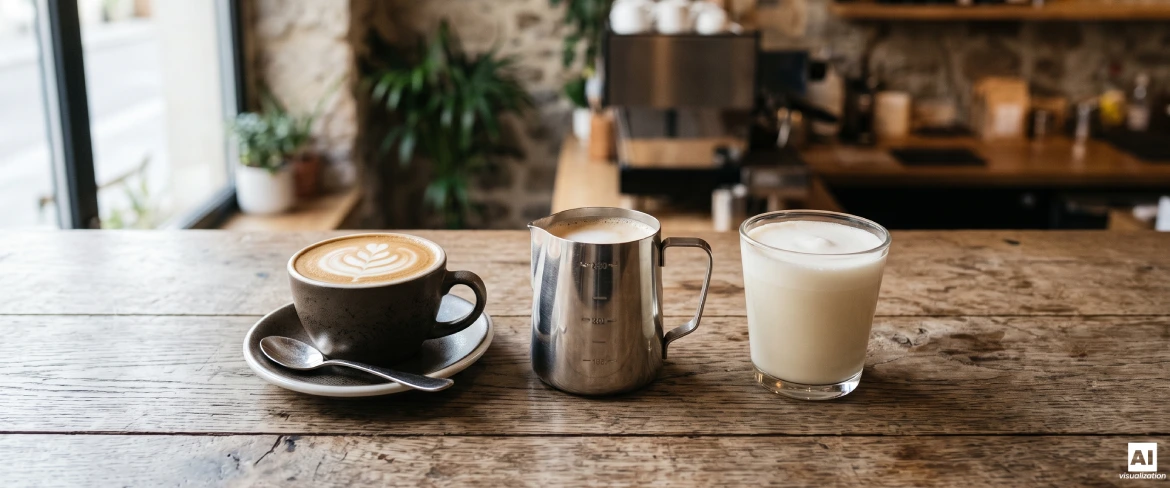
The secret to every excellent milk-based coffee lies not simply in heating the liquid, but in giving it the right texture. The aim is to create what is known as microfoam: a silky emulsion in which the air bubbles are so fine that they become invisible to the naked eye. Properly aerated milk develops an even, creamy structure that blends beautifully with rich espresso, creating a harmonious and exceptionally smooth whole.
How to froth milk with an espresso machine steam wand?
Mastering the steam wand requires a certain amount of practice, but the process follows a clear and repeatable pattern. It consists of two main stages: introducing air and then texturing the milk.
- ✔️ Preparation: Before immersing the steam wand in the pitcher, turn it on for a second while it is still “dry”. This will clear any residual water from the system and prevent it from diluting the milk.
- ✔️ Aeration: Position the tip of the wand just below the surface of the cold milk, tilting the pitcher slightly to one side. Turn the steam on at full power. You should hear a characteristic sound resembling the gentle tearing of thin paper. This stage should last only a few seconds.
- ✔️ Whirlpooling (texturing): Once the milk has increased slightly in volume and begun to warm, lower the wand by just a millimetre. Direct the steam so that it creates a dynamic whirlpool. This movement breaks up larger bubbles and transforms them into microfoam.
- ✔️ Finishing: Stop steaming when the base of the pitcher feels uncomfortably hot to the touch, which usually indicates that the milk has reached the ideal temperature of 60°C. Under no circumstances should you allow the milk to boil!
What should the perfect cappuccino foam look like?
If the process has gone well, the contents of your stainless-steel pitcher will have undergone a noticeable transformation. How can you tell that you have achieved a café-quality result? Perfectly frothed milk should be completely smooth, glossy and free from large, visible air bubbles.
🎯 Good to know: Professional baristas often compare the consistency of ideal microfoam to melted vanilla ice cream or thick, natural drinking yoghurt. This texture not only tastes wonderfully smooth and rich, but is also flexible enough to make it easy to “draw” intricate latte art patterns on the surface of the coffee.
How to froth milk without an espresso machine?
Not having professional espresso equipment does not mean that you have to give up your favourite drink. There are several reliable methods you can use at home to achieve a very pleasing texture. The key principle is the same in every case: the milk should be heated first (for example, in a saucepan or microwave to approximately 60°C), taking care not to let it boil.
| Alternative method | How to prepare it | Expected result |
|---|---|---|
| French press | Pour the heated milk into the glass beaker and move the plunger with its filter up and down briskly for several seconds. | The result is the closest to a professional method, producing dense and exceptionally smooth microfoam. |
| Handheld or electric frother | Place the small whisk close to the surface of the warm milk and lift it at a slight angle to incorporate air. | The foam is usually slightly firmer, with larger bubbles clearly visible on the surface. |
| Glass jar | Pour the heated milk into the jar, filling it no more than halfway. Close the lid tightly and shake vigorously for 30–40 seconds. | A practical emergency method: the foam is very light and collapses fairly quickly, but it still serves its purpose well. |
Which milk is best for a cappuccino?
Now that you know how to achieve the ideal texture, it is time to take a closer look at the base itself. In a classic recipe for this Italian drink, milk and the microfoam created from it account for as much as two thirds of the cup’s total volume. Choosing the right product is therefore fundamental, not only for the flavour, but also for the physics of frothing.
In traditional cafés, classic cow’s milk remains the undisputed favourite. The secret to its success lies in the ideal balance between two components: proteins and fats. The proteins create a stable network that supports the air bubbles, while the fat gives the foam its distinctive, silky smoothness and rich flavour. Whole milk with a fat content of between 3.2% and 3.5% works particularly well here, although milk containing 2% fat is also suitable. Very low-fat varieties, such as 0.5% milk, can be frothed, but the resulting foam will be firm, dry, similar to whipped egg whites, and lacking in deep, natural sweetness.
Contemporary coffee culture is highly open-minded, so vegans and people with lactose intolerance do not have to give up the perfect cappuccino. Plant-based alternatives can produce an excellent consistency, provided that you follow one important rule: the key to success is choosing products marked “barista”.
- ✔️ Oat drinks: Currently the most popular choice in the world of speciality coffee. They have a neutral, subtly cereal-like and nutty profile that pairs exceptionally well with espresso-roasted beans. Barista versions froth and combine with coffee almost as effectively as cow’s milk.
- ✔️ Soya drinks: They contain a relatively high amount of protein, which allows them to produce stable, dense foam. Their flavour is distinctive, but a carefully selected coffee base can bring out remarkably pleasant, dessert-like notes.
- ✔️ Almond and pea drinks: These require slightly more experience when working with a steam wand. They have a pronounced flavour of their own – almond drinks contribute a marzipan-like sweetness – but reward you with an exceptionally creamy consistency in the finish.
Standard plant-based drinks do not all respond equally well to the high temperature and pressure of an espresso machine, and some may separate when poured into espresso. Professional barista versions are enriched with additional vegetable fats and natural stabilisers that help them behave more like cow’s milk, producing glossy microfoam suitable even for creating intricate patterns.
📌 Summary: Whether you choose dairy milk or a plant-based alternative, remember the golden rule of every barista. Always use milk straight from the fridge! Cold milk gives you considerably more time to aerate it precisely and incorporate the air evenly before the pitcher reaches the critical temperature of 60–65°C.
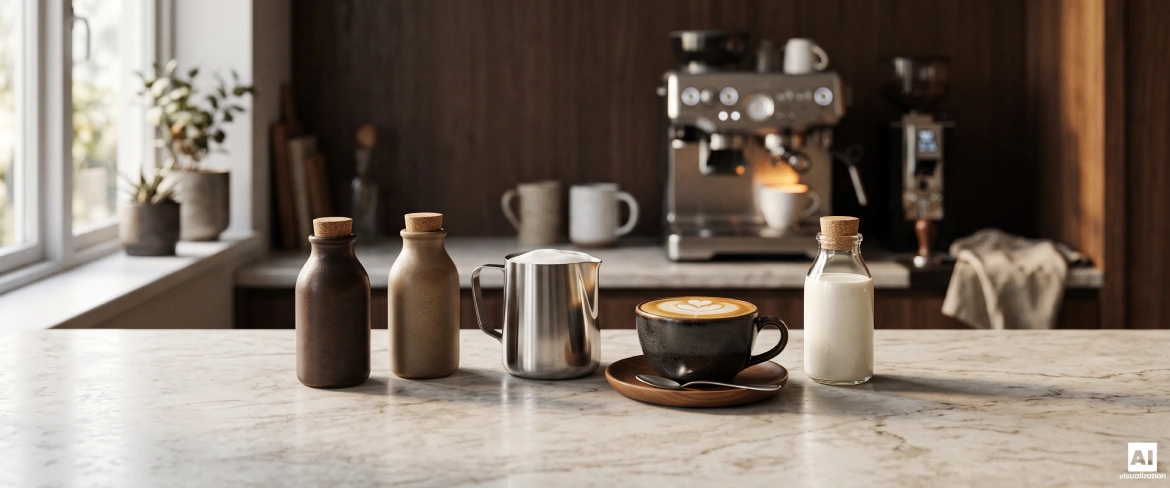
Which coffee is best for a cappuccino?
Milk is an excellent carrier of flavour, but its natural sweetness and rich texture can easily overpower the delicate floral or citrus notes found in light roasts. If you are wondering which coffee is best for a cappuccino at home, it is worth opting for a tried-and-tested classic. Beans intended for espresso brewing, roasted to a medium or dark level, make an ideal base for silky microfoam. Their deep, dessert-like sensory profile brings notes of dark chocolate, caramel, cocoa and roasted nuts – flavours that create a harmonious and satisfying pairing with steamed milk.
Another important consideration is the coffee variety itself. 100% arabica will give the drink exceptional smoothness, refined sweetness and a clean finish. Blends containing arabica with a proportion of high-quality robusta, on the other hand, offer a stronger caffeine kick, a denser crema and a more pronounced, subtly earthy character that cuts easily through the layer of milk foam. Whichever variety you choose, freshness is fundamental to café-quality flavour. The beans should be ground in a burr grinder immediately before extraction so that none of their precious aroma is lost.

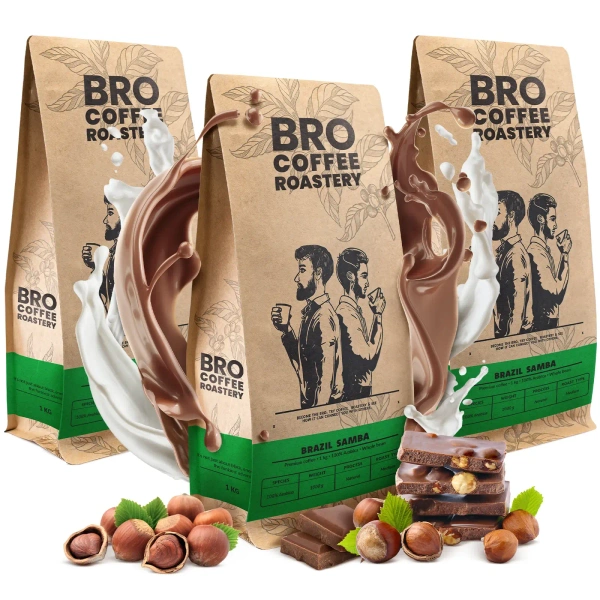
🤎 Our choice: Bro Coffee Roastery Brazil Samba
If you are looking for beans that will deliver a consistent, superb flavour in every cup, we recommend trying Bro Coffee Roastery Brazil Samba Premium. This is our craft-roasted 100% arabica from Brazil, processed naturally and seemingly made to be paired with steamed milk.
- ✔️ Sensory profile: Distinctive chocolate and nutty notes that, when combined with microfoam, create the impression of an exquisite liquid dessert.
- ✔️ Roast level: Medium – it maintains an ideal balance between sweetness and a full-bodied brew while avoiding unwanted bitterness.
- ✔️ Versatility: Works beautifully with pump espresso machines, including manual and automatic models, as well as with a home moka pot.
Brazil Samba does not try to dominate with high acidity or experimental flavours. Its greatest strengths are harmony and the pure pleasure of an excellent everyday coffee.
The final choice of beans is, of course, a matter of personal preference. If you want your homemade milk-based coffee to taste better than one from an ordinary chain café, choose beans from the speciality or premium segment, roasted by an independent craft roastery. This gives you confidence that the coffee is fresh, free from defects and shaped by the roaster’s careful work rather than by chance.
Remember that even the most expensive and exclusive coffee will quickly lose its appeal if it was ground many weeks earlier and has gone stale. Investing in quality beans and buying freshly roasted coffee regularly is the simplest way to master the craft and prepare an exceptional drink that becomes a permanent part of your morning ritual.

What is the difference between a cappuccino and a latte?
When looking at a café menu, many coffee lovers ask themselves the same classic question: what is the difference between a cappuccino and a latte? At first glance, these two drinks may seem almost identical, as they are both built around the same ingredients – intense espresso and steamed milk. The difference lies in the proportions and final texture, which significantly affect how we experience the flavour in the cup.
Our featured cappuccino is ideal for those looking for a pronounced coffee character wrapped in a creamy texture. As we have already mentioned, this drink is based on balanced proportions and is served in a smaller vessel, usually holding between 150 and 180 ml. Its thick, airy layer of microfoam helps retain the aromas beneath it, while each sip offers an ideal balance between the strength of the roasted beans and the milk’s natural sweetness.
Caffè latte, on the other hand, is a considerably larger and noticeably milder drink. A standard serving usually contains between 250 and 350 ml. In this composition, a single or double espresso is combined with a generous amount of warm, liquid milk. The microfoam on top is very delicate and thin, measuring only around one centimetre in depth. It is an excellent choice for those who prefer subtle, predominantly milky drinks in which the aromatic coffee provides a gentle background.
| Feature | Cappuccino | Caffè Latte |
|---|---|---|
| Serving size | Smaller (approx. 150-180 ml) | Larger (approx. 250-350 ml) |
| Milk texture | A thick layer of dense foam (1/3 of the drink) | A large amount of liquid milk with a thin layer of foam (approx. 1 cm) |
| Flavour profile | Intense, distinctly coffee-led and perfectly balanced | Mild, sweet and strongly milky |
The choice between these two classics depends above all on what you want from your drink at that particular moment. If you are looking for a quick yet pleasurable boost and want to experience the depth of speciality coffee beans clearly, a dense, carefully prepared cappuccino is an excellent choice.
On the other hand, if you see coffee as a long, relaxing ritual and prefer to slowly savour a hot drink while working or reading, a generous serving of smooth caffè latte may suit you better. It is also a versatile base for anyone who enjoys experimenting with different additions and flavoured syrups.
💡 Did you know? When ordering a latte in Italy, it is important to be precise! In Italian, the word simply means “milk”. If you ask a barista for a “latte” on its own, you will most likely receive a glass of warm milk without any coffee. The correct and complete name for this mild coffee drink is caffè latte.

Cappuccino without an espresso machine – an alternative recipe
Not having a professional pump espresso machine on your kitchen worktop does not mean that you have to give up your favourite milk-based drink. This Italian classic can be recreated successfully using simple methods at home. The key is to find a clever substitute for its two main elements: an intense espresso and pressurised steam.
To create a suitably intense coffee base, it is best to use a traditional Italian moka pot or an AeroPress brewer. In both cases, the aim is to prepare a highly concentrated brew. When using a moka pot, fill the filter basket with finely ground coffee, but do not tamp it down. Remove the pot from the heat slightly earlier than usual – as soon as the coffee begins to bubble vigorously and loses its deep, nutty colour. This will give you a dense, exceptionally full-flavoured serving that can take the place of espresso in a homemade cappuccino without being overpowered by the generous amount of milk.
We have already covered the preparation of milk microfoam earlier in this guide. Simply heat your chosen milk to the ideal temperature of around 60°C, then use a French press to aerate it thoroughly. After several seconds of briskly moving the plunger, you will have a dense, yoghurt-like consistency that can be combined smoothly with your homemade coffee base.
📌 Summary: Homemade cappuccino in 3 steps
- ✔️ Strong base: Brew approximately 30-40 ml of an intense coffee using a moka pot or AeroPress.
- ✔️ Airy milk: Heat 100-120 ml of milk (remember not to let it boil!) and froth it using a handheld frother or French press.
- ✔️ Combining the ingredients: Pour the aerated milk into the coffee, keeping the classic proportions and using a wide cup.
As you can see, preparing a perfect, craft coffee drink is an art that does not require access to the most expensive equipment. A little knowledge, patience and high-quality ingredients are enough. The coffee base remains the most important element: excellent freshly roasted beans give the cup its distinctive depth of character, making every sip a pleasure.
Ready to create a café-quality work of art in your own kitchen? Choose your favourite beans, pick up your pitcher and enjoy the flavour of a perfect cappuccino every day!
FAQ – frequently asked questions about cappuccino
1. How do you make a cappuccino at home?
To prepare a cappuccino at home, you need approximately 25-30 ml of espresso, 100-120 ml of cold milk and a cup with a capacity of around 150-180 ml. First brew the espresso, then froth the milk to 55-65°C until it develops a smooth, glossy microfoam. Finally, combine the milk with the espresso by pouring it into the cup in a smooth motion.
2. How many calories are in a cappuccino?
A classic cappuccino of approximately 150 ml, prepared with whole milk, usually contains around 70-80 kcal. The exact figure depends on the type and amount of milk, as well as additions such as sugar, flavoured syrup, cocoa or chocolate.
3. How much caffeine is in a cappuccino?
A cappuccino made with a single espresso usually contains around 60-80 mg of caffeine. The amount depends, among other things, on the coffee variety, the proportion of arabica and robusta, the dose of ground coffee and the extraction parameters. A version made with a double espresso may contain approximately 120-160 mg of caffeine.
4. What type of cup should you use to serve a cappuccino?
It is best served in a wide, preheated cup with a capacity of approximately 150-180 ml. Its rounded shape makes it easier to combine the espresso, liquid milk and microfoam, while also providing a suitable surface for creating simple latte art patterns.
5. Can you make a cappuccino with a double espresso?
Yes. A double espresso, or doppio, is a good choice for those who prefer a more intense coffee flavour or a higher caffeine content. In this case, adjust the amount of milk and the size of the cup to suit the stronger coffee base, so that the balance between espresso, milk and foam is maintained.
6. Is arabica or robusta better for cappuccino?
Both varieties can work well in a cappuccino, but they produce different results. Arabica usually offers greater smoothness, refined sweetness and a more complex aroma. Robusta strengthens the body of the brew, enhances its intensity and may improve the crema’s stability. A blend of arabica and robusta is also a good option, particularly if you prefer a strong, full-flavoured coffee.
7. Which milk is best for a cappuccino?
Cow’s milk with a fat content of around 2-3.5% works well in a cappuccino. It provides suitable creaminess and stable foam. You can also use a plant-based drink marked “barista”, particularly an oat or soya drink. Always use cold milk and avoid overheating it while frothing.
8. Can you make a cappuccino without an espresso machine?
Yes. Espresso can be replaced with an intense brew prepared in a moka pot or AeroPress. You can froth the milk using a handheld or electric frother, a French press or a jar. Whichever method you choose, heat the milk first but do not allow it to boil.
9. Which coffee is best for a cappuccino?
Freshly roasted beans intended for espresso, with chocolate, caramel, nutty or cocoa notes, are particularly well suited to cappuccino. These flavours pair beautifully with the milk’s natural sweetness. Grind the beans immediately before extraction to preserve their aroma and full flavour.
Recommended
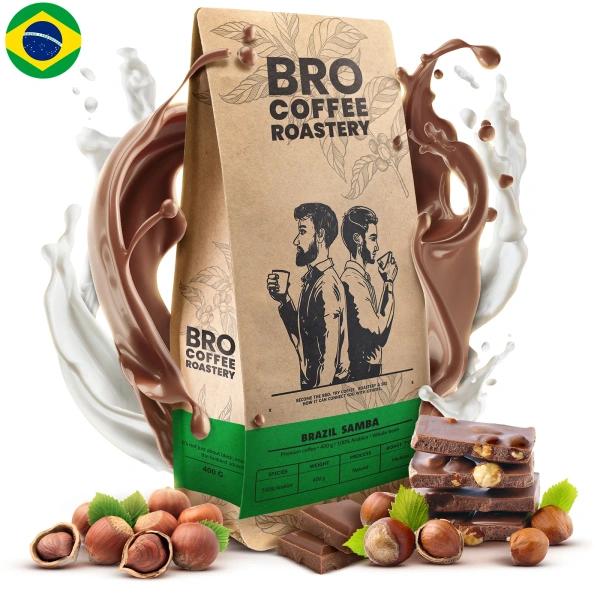
Bro Coffee Roastery – Whole Bean Coffee Brazil Samba Premium 400g
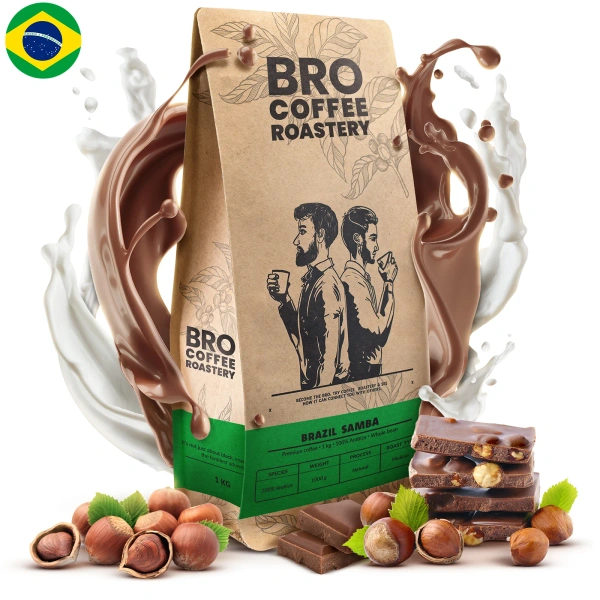
Bro Coffee Roastery – Whole Bean Coffee Brazil Samba Premium 1kg
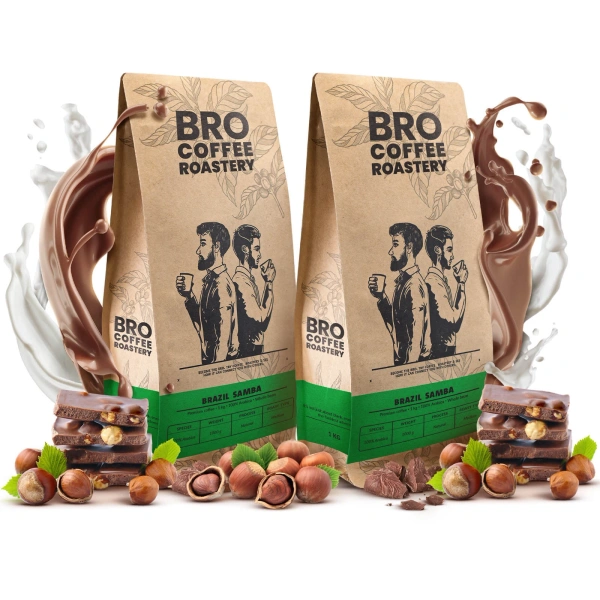
Set of Bro Coffee Roastery Brazil Samba 2x1kg (2kg)